

Overview
Winter is brutal on your vehicle.
Road salt, snow, slush, and freezing temperatures quietly attack your paint, wheels, and undercarriage every time you drive. And once damage shows up in spring, rust spots, faded paint, etched clear coat... it’s already too late.
This guide breaks down how to safely wash your car in winter, why it matters, and how proper protection can save your paint long-term.
Why Winter Is the Most Dangerous Season for Your Car
Winter grime isn’t just dirt, it’s chemically aggressive.
The Real Threats
Road Salt & Brine
Highly corrosive; accelerates rust on paint, wheels, brakes, and undercarriage
Snow & slush
Traps moisture against paint and metal
Neglected Washes
Salt left sitting for weeks eats through protection layers
Should you wash your car in winter?
Yes. Absolutely.
But how you wash matters more than how often.
Skipping washes in winter is one of the biggest causes of:
- Premature clear coat failure
- Rust bleed-through
- Wheel corrosion
- Permanent staining
The goal isn’t perfection—it’s salt removal.
How often should you wash in winter?
General guideline:
- Every 1–2 weeks during active snow/salt conditions
- Immediately after heavy salting events, if possible
Even a quick rinse is better than letting salt bake onto surfaces.
The Right Way to Wash Your Car in Winter
Pick the right conditions
- Wash when temps are above freezing if possible
- Midday sun helps prevent freezing
- Avoid washing late evening
If using a touchless wash, choose one with undercarriage spray.
Start With a Thorough Rinse (Undercarriage First)
Salt hides where you can’t see it:
- Wheel wells
- Suspension components
- Brake lines
- Rocker panels
A pressure rinse removes loose contaminants before they grind into paint.
Use a pH-Balanced Winter-Safe Shampoo
Harsh soaps strip protection—especially in winter.
A quality shampoo (like Blackline’s ULTRA Foam) cleans without:
- Drying out clear coat
- Stripping sealants or coatings
- Leaving residue in cold temperatures
This is critical if your vehicle has ceramic protection.
Safe Contact Wash (When Conditions Allow)
If hand-washing:
- Use warm water, not hot
- Soft microfiber wash mitt
- Two-bucket method if possible
Avoid:
- Automatic brush washes
- Stiff bristle brushes
- Reused frozen sponges
Winter scratches happen fast and show forever.
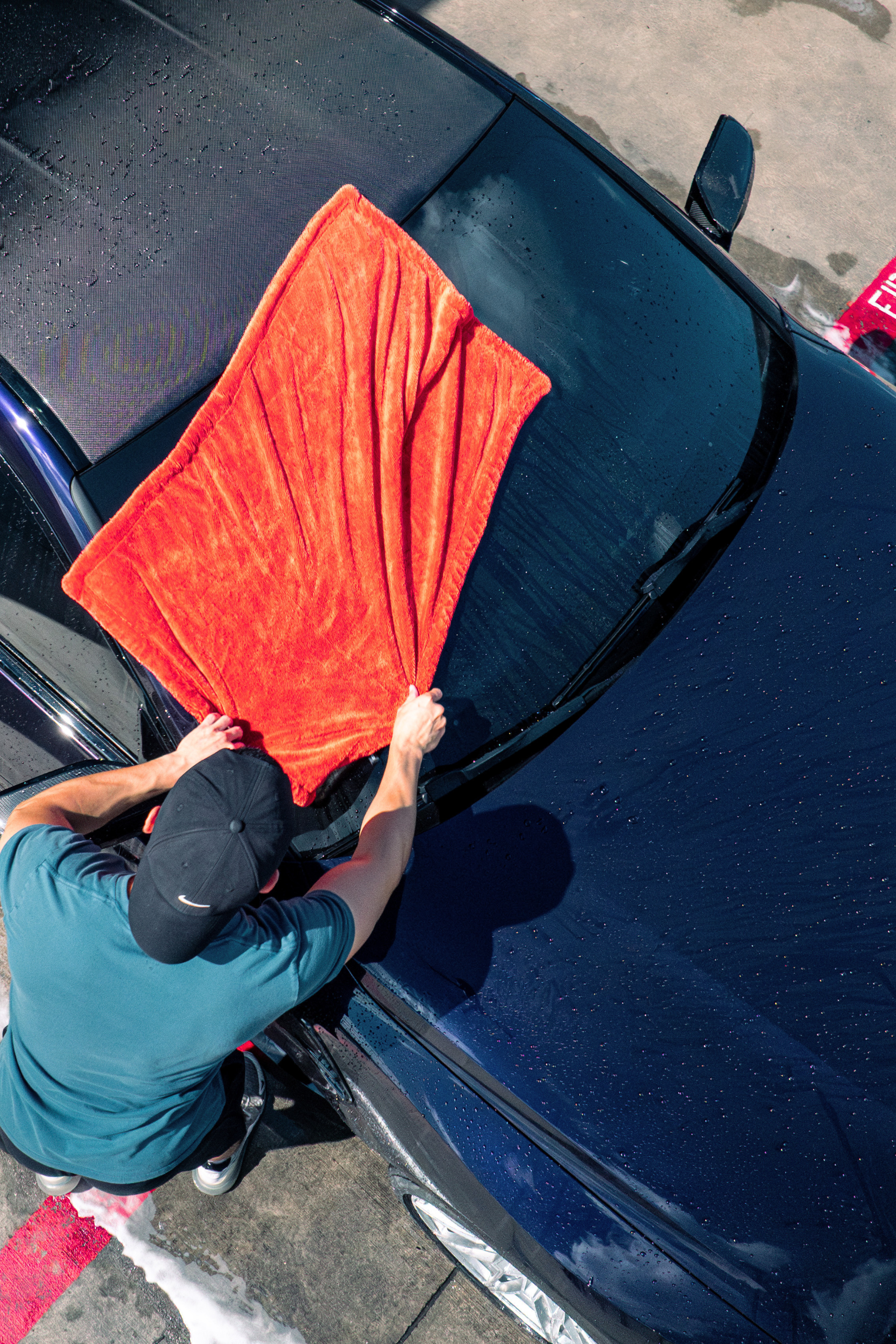
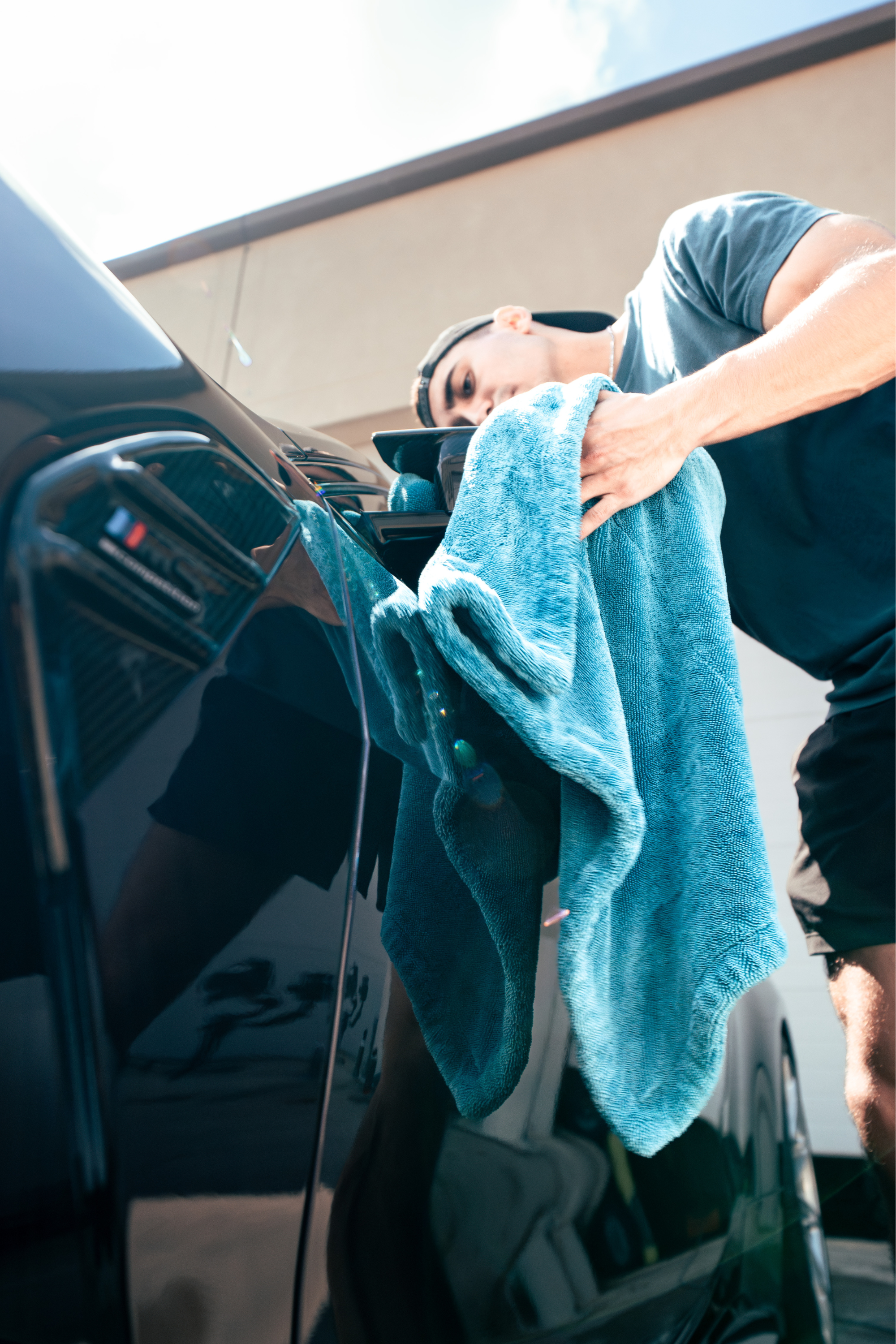
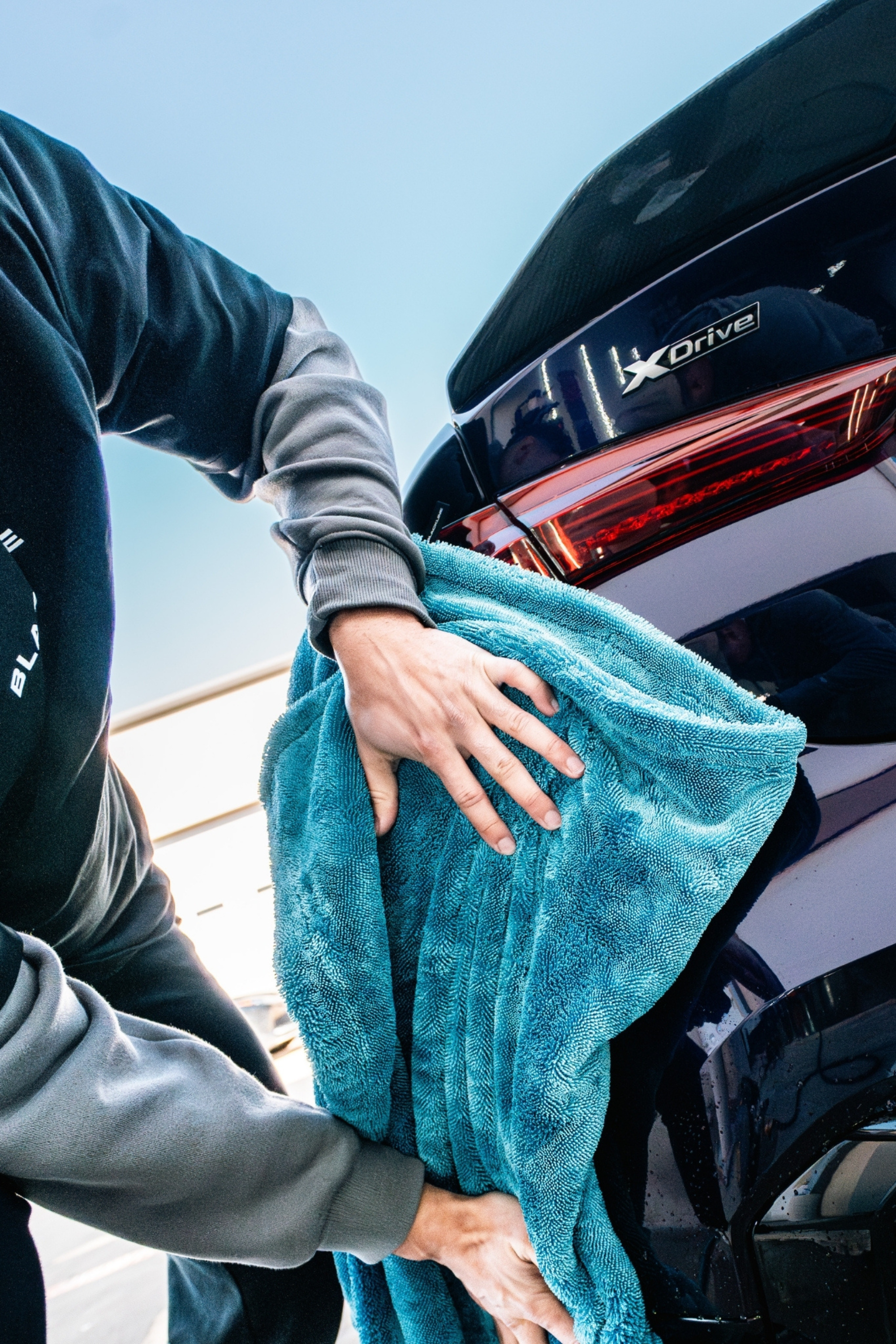
Drying Matters More Than You Think
Letting water freeze on paint:
- Causes spotting
- Traps minerals
- Leaves salt residue
Use:
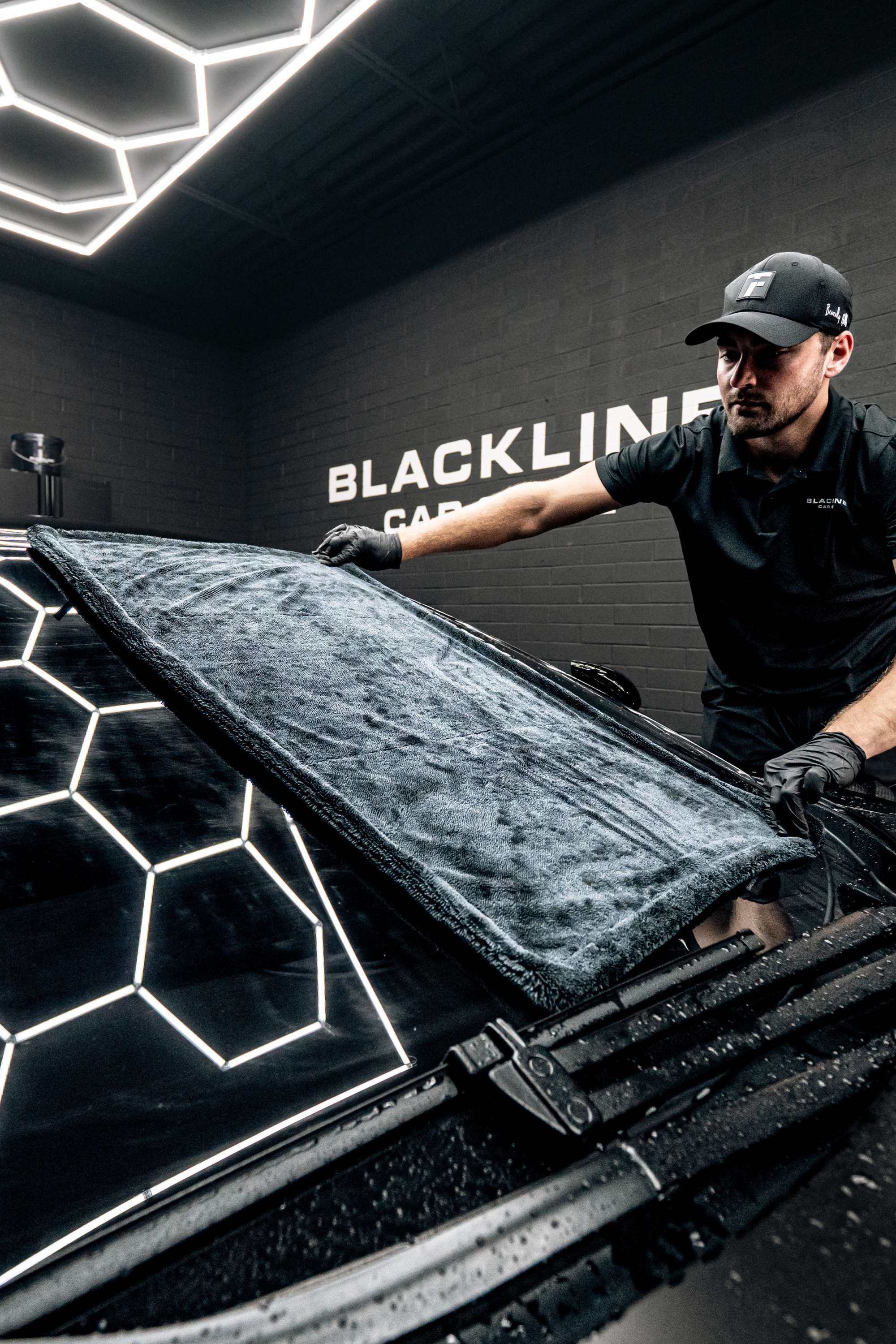
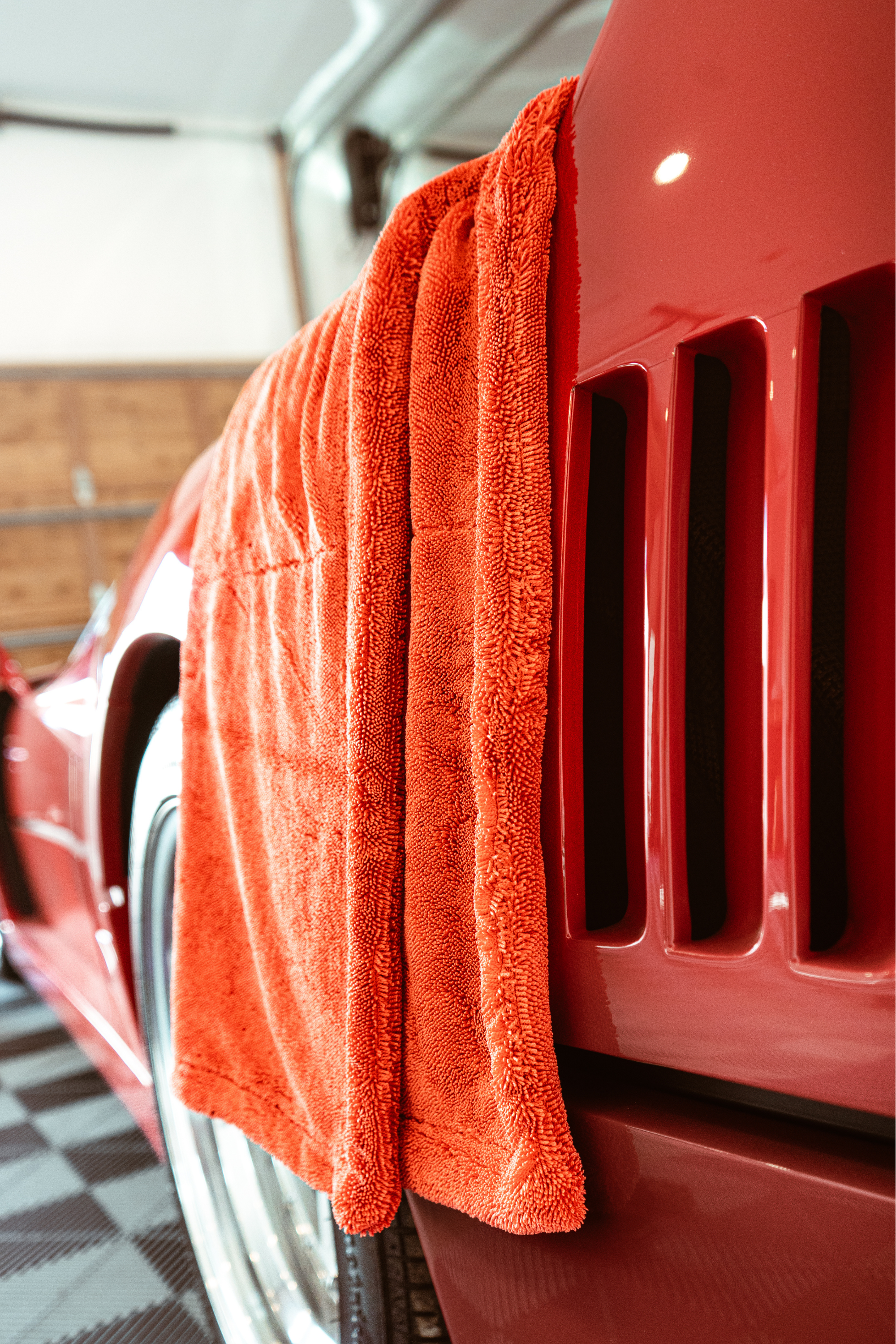
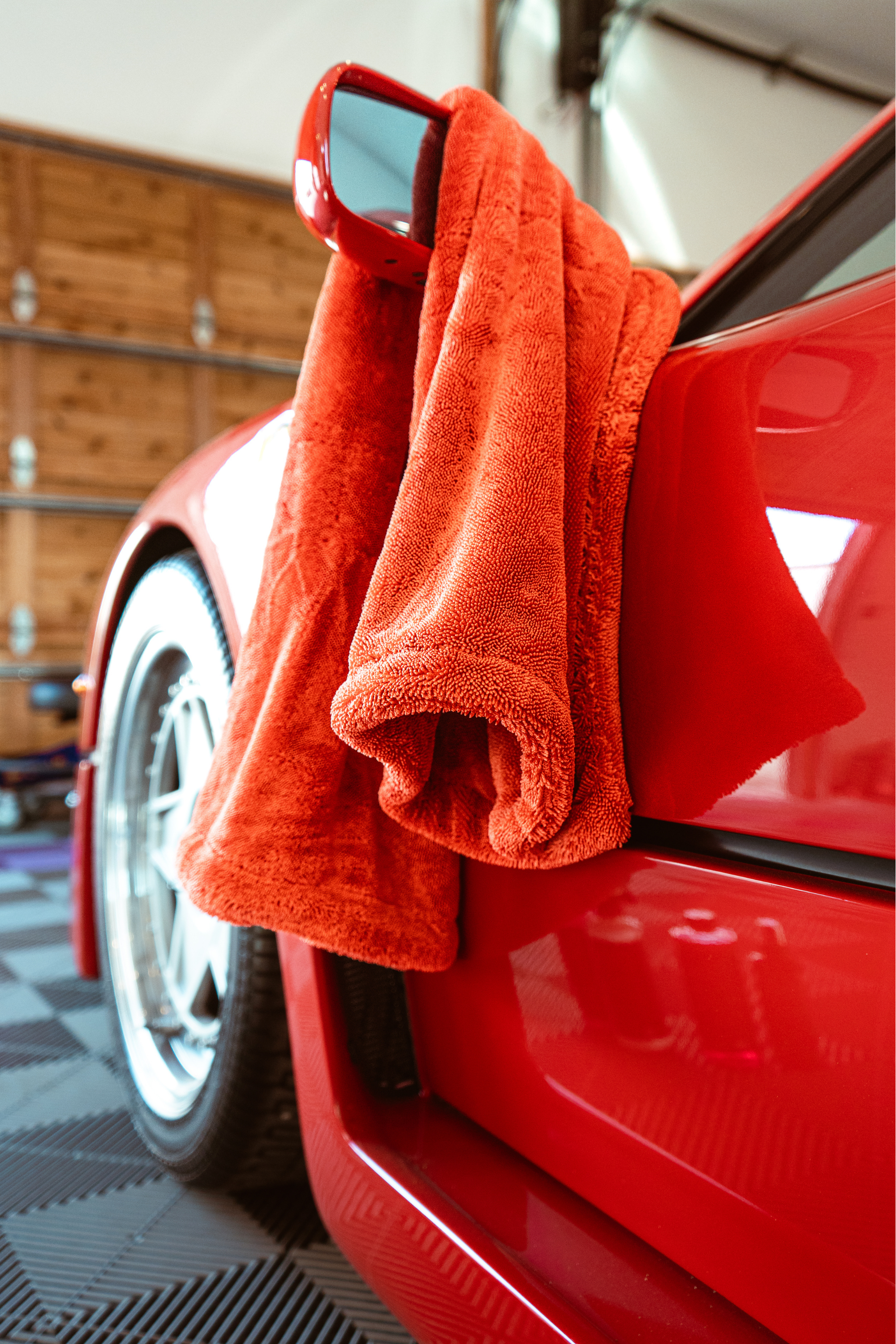
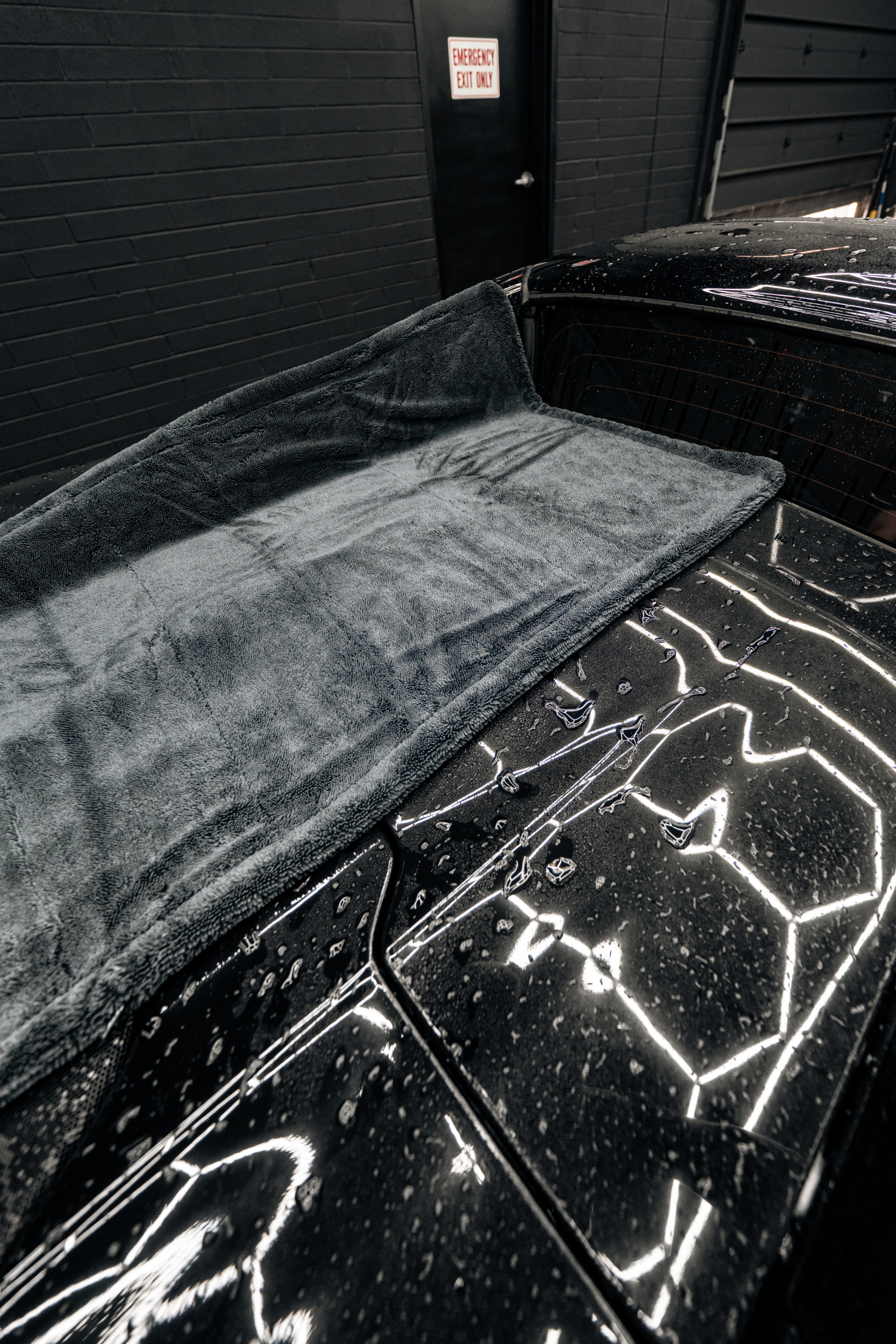
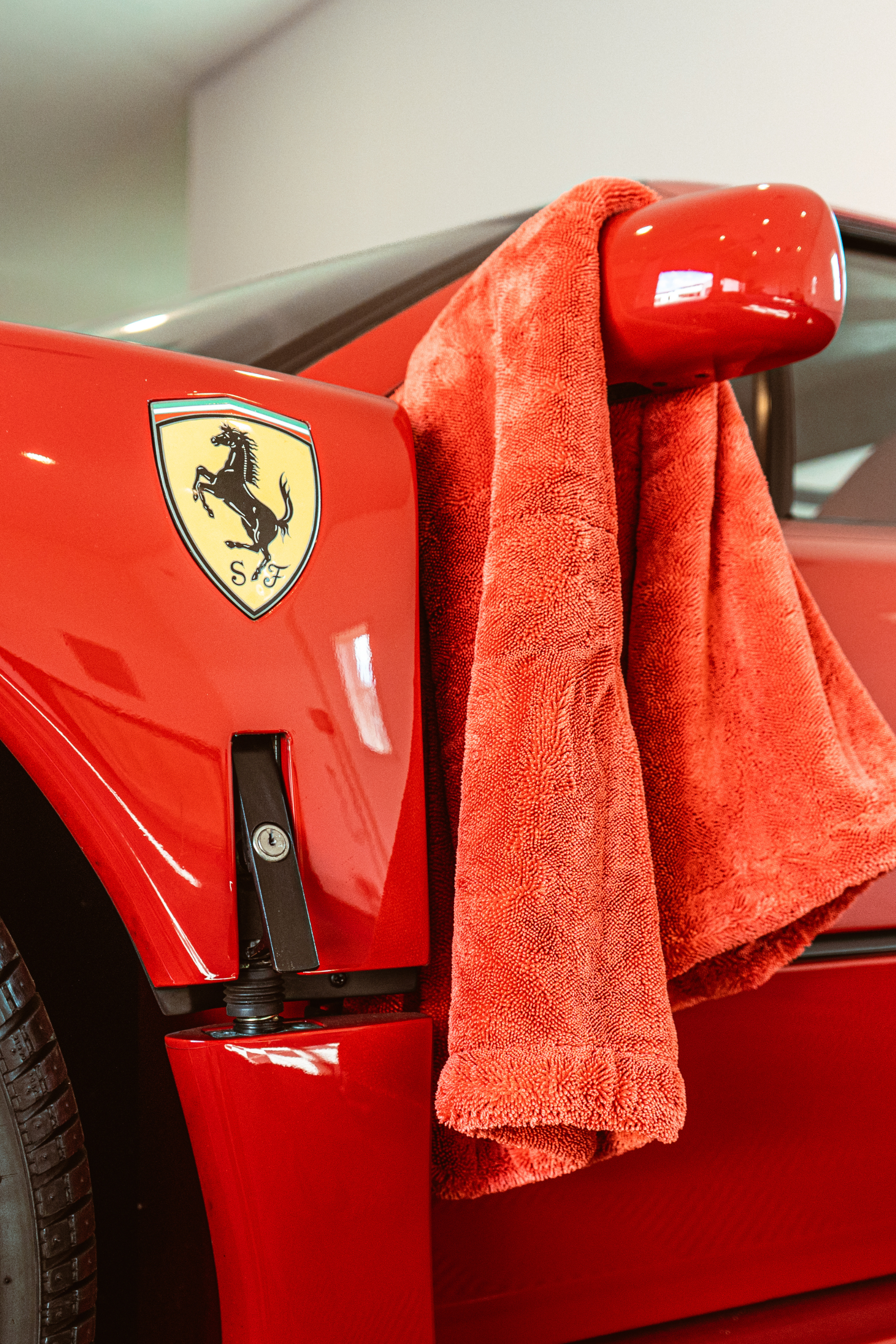
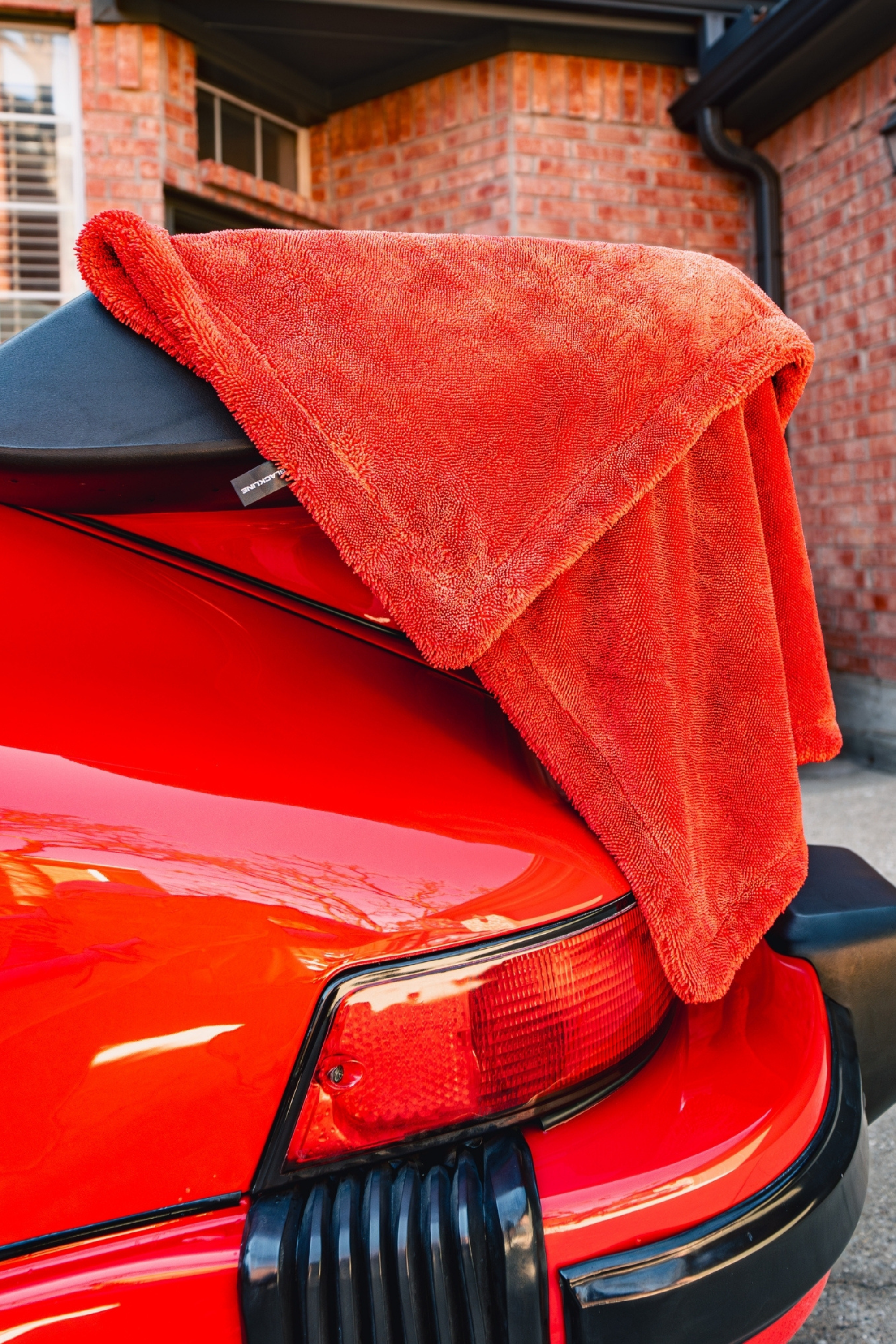
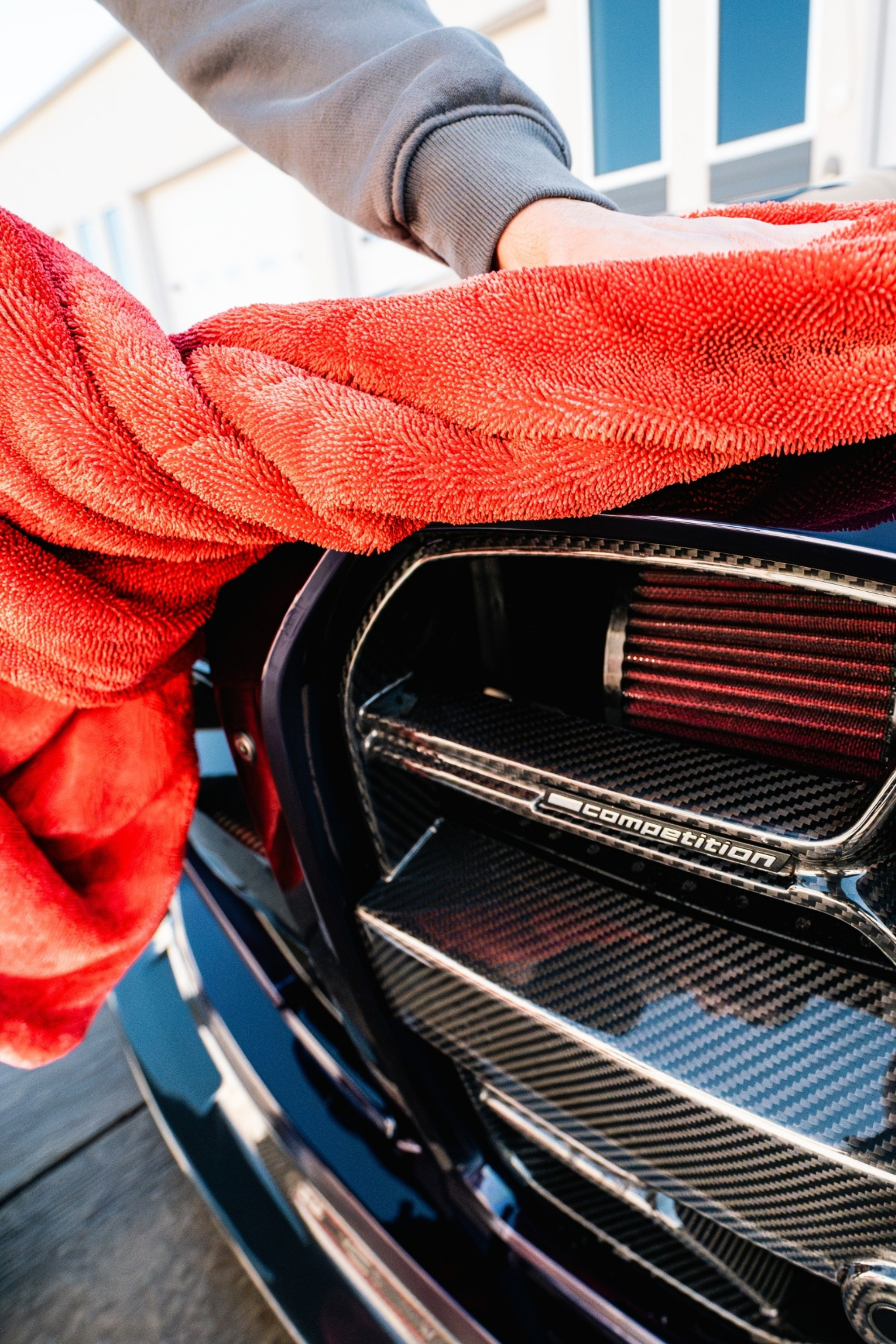
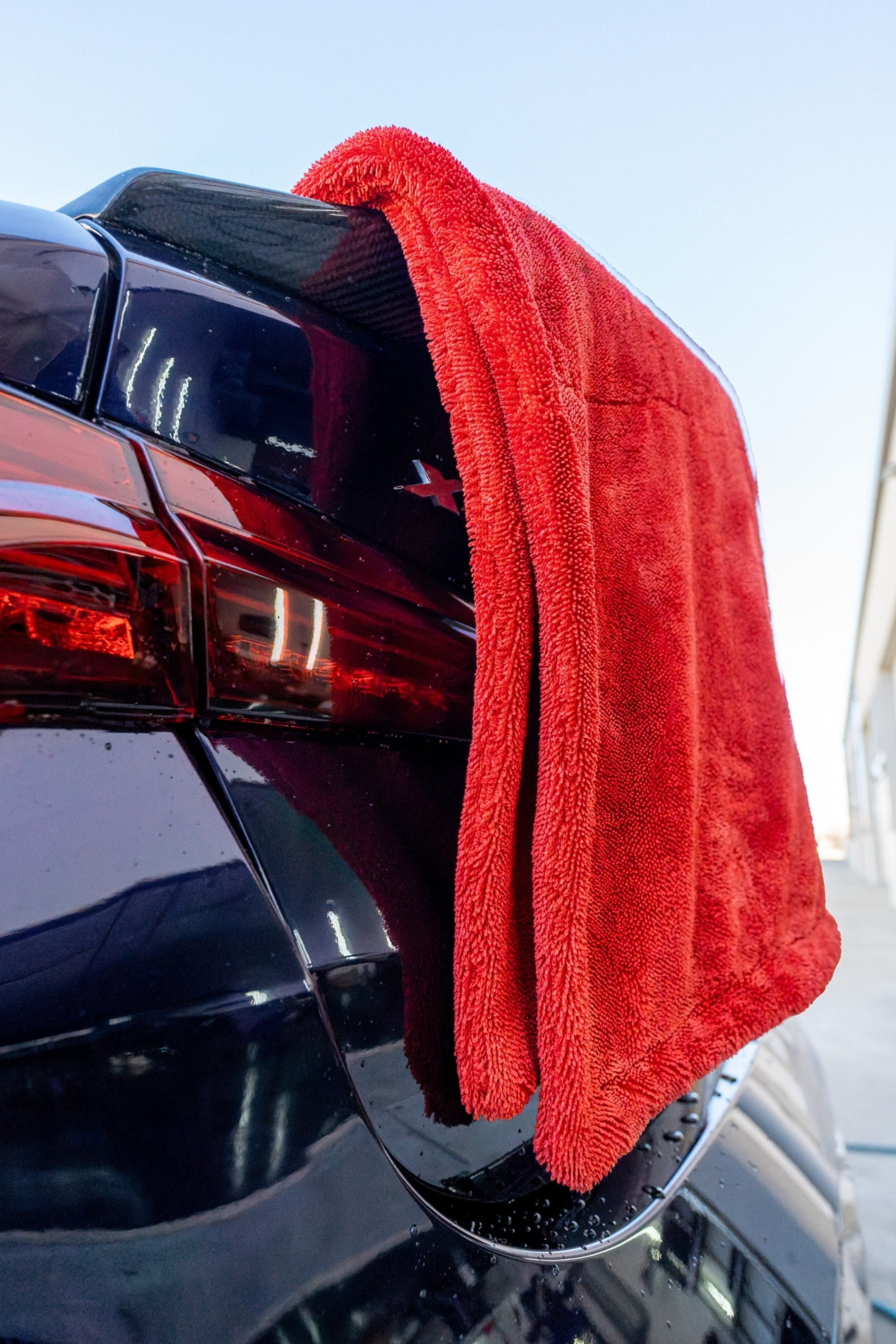
- High-quality microfiber towels
- Forced air (blower) if available
A protected surface dries faster and cleaner.
Why Paint Protection Is Essential Before Winter
Unprotected paint is naked paint.
That’s where coatings and sealants change everything.
What Proper Protection Does
- Creates a barrier between salt and clear coat
- Prevents contamination from bonding
- Makes winter washing easier and safer
- Reduces scratching during snow removal
A professional-grade ceramic coating like Blackline VIONYX is one of the best defenses against winter damage.
Why Ceramic Coatings Excel in Winter
- Extreme chemical resistance to salt and brine
- Hydrophobic surface repels slush and grime
- Easier, faster winter washes
- Maintains gloss despite harsh conditions
Instead of salt sticking and etching, it slides off.
Wheels Take the Hardest Hit
Brake dust + salt = corrosion.
Protect wheels with:
- Ceramic wheel coatings
- Regular winter cleaning
Blackline wheel-safe protection products are designed to handle high heat and winter chemicals.
A coated windshield:
- Repels snow and freezing rain
- Improves visibility
- Reduces ice scraping effort
Glass coatings aren’t a luxury they’re a safety upgrade.
Common Winter Mistakes To Avoid
❌ Waiting until spring to wash
❌ Using automatic brush washes
❌ Washing with harsh degreasers
❌ Ignoring the undercarriage
❌ Skipping protection entirely
Every one of these shortens your paint’s lifespan.
Final Thoughts: Winter Care = Long-Term Value
Your car doesn’t rust in winter it rusts because of what winter leaves behind.
Regular washing + proper protection:
- Preserves paint and resale value
- Prevents irreversible damage
- Makes spring detailing easier
- Keeps your vehicle looking newer, longer
Whether you’re maintaining a daily driver or protecting a high-end vehicle, Blackline products are built for real-world conditions especially winter.