
Is an All-Purpose Interior Cleaner Safe? (What most brands won't tell you)
When shopping for an interior cleaner for cars, you’ll see a lot of products marketed as “all-purpose.” They promise to clean leather, plastic, vinyl, screens, and trim—all with one spray. Sounds convenient, right?
But here’s the truth most brands won’t tell you: not all all-purpose interior cleaners are actually safe for car interiors.
In this guide, we’ll break down:
- What “all-purpose interior cleaner” really means
- When these cleaners are safe—and when they’re not
- The hidden risks to modern car interiors
- How to choose a safe interior cleaner that actually works
An all-purpose interior cleaner is designed to clean multiple interior surfaces using a single formula. In theory, it should be safe for:
- Plastic dashboards
- Vinyl trim
- Leather seats
- Touchscreens
- Door panels and center consoles
The idea is simplicity, one interior cleaner instead of five different products.
The problem? Many “all-purpose” cleaners are not engineered specifically for automotive interiors.
Why Most All-Purpose Interior Cleaners Are NOT safe
1. They’re Often Just Diluted APCs
Many interior cleaners on the market are simply rebranded all-purpose cleaners (APCs). APCs are typically designed for:
- Tires
- Engine bays
- Exterior plastics
These formulas are often too strong for interior surfaces.
Long-term effects include:
- Fading dashboards
- Dry, cracked leather
- Streaky screens
- Glossy buildup on trim
If a product doesn’t clearly state it’s safe for automotive interiors, that’s a red flag.
2. Interior Surfaces Are More Delicate Than You Think
Modern vehicles use:
- Soft-touch plastics
- Coated leather
- Matte and piano-black trim
- Anti-glare touchscreen coatings
A harsh interior cleaner can strip protective coatings, leaving surfaces more prone to wear, UV damage, and discoloration.
This is why many “clean” interiors still look worn over time, the damage is gradual.
3. High pH = Long-Term Damage
One of the biggest factors in interior cleaner safety is pH balance.
- High-pH cleaners break down oils and coatings
- Leather loses flexibility
- Plastics dry out and fade faster
A truly safe car interior cleaner should be pH-balanced for interior use, not optimized for heavy grime like an exterior APC.
When an All-Purpose Interior Cleaner Is Safe
Here’s the part most brands skip.
An all-purpose interior cleaner can be safe if it meets these criteria:
✅ Designed Specifically for Automotive Interiors
The formula should be built for interior materials, not adapted from an exterior cleaner.
✅ pH-Balanced
Safe interior cleaners clean effectively without stripping oils, dyes, or coatings.
✅ Residue-Free
A proper interior cleaner should leave no greasy or glossy residue, especially on dashboards and screens.
✅ Safe for Multiple Materials
A true all-in-one interior cleaner works on:
- Leather
- Vinyl
- Plastic
- Rubber
- Screens
Without requiring dilution or surface-specific tricks.
Interior Cleaner vs APC: The Key Difference
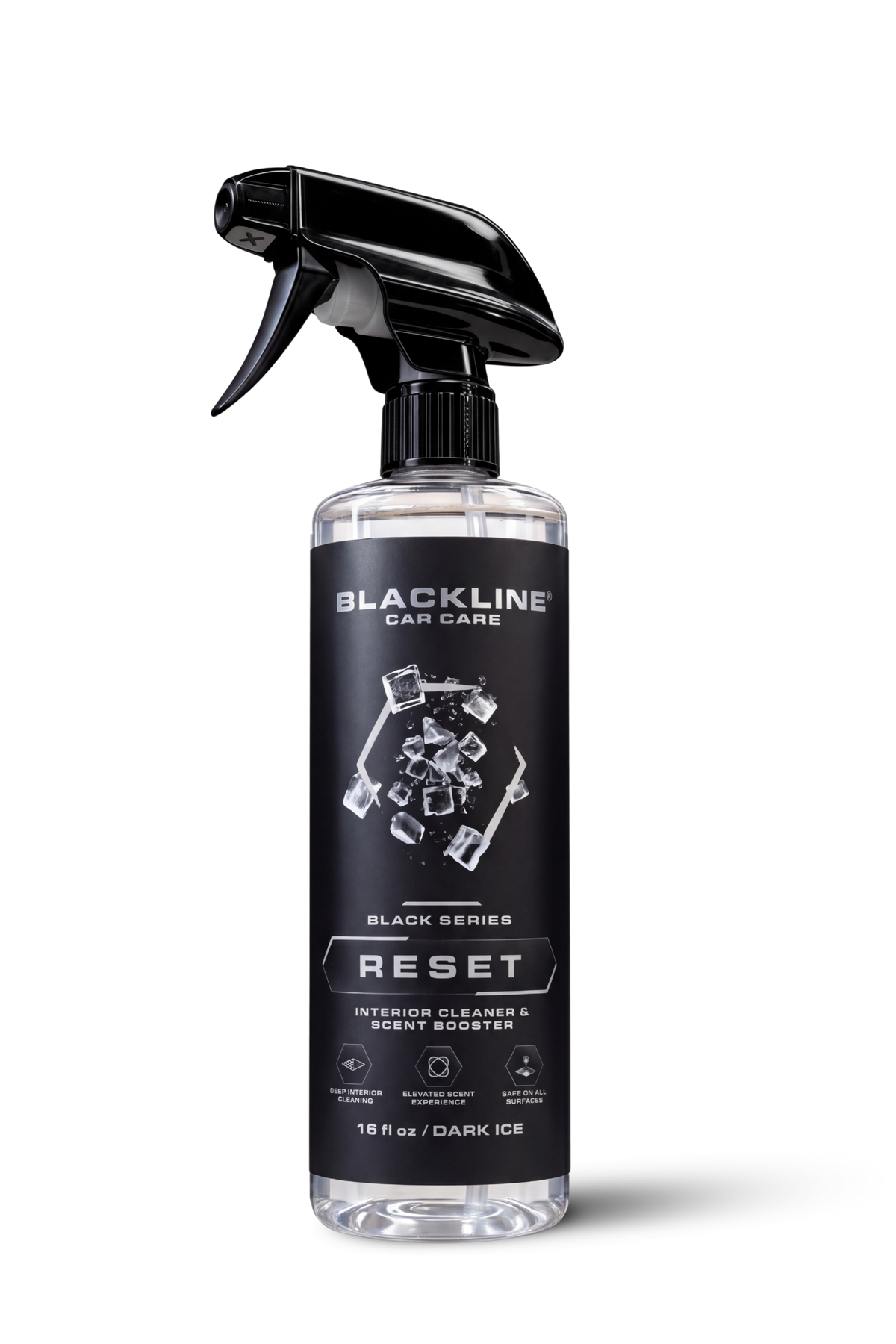
✅
❌
✅
❌
✅
❌
✅
❌
❌
✅
If your “interior cleaner” works just as well on tires or engine bays, it’s probably not safe for long-term interior use.
What to Look or in the best Interior Cleaner for Cars
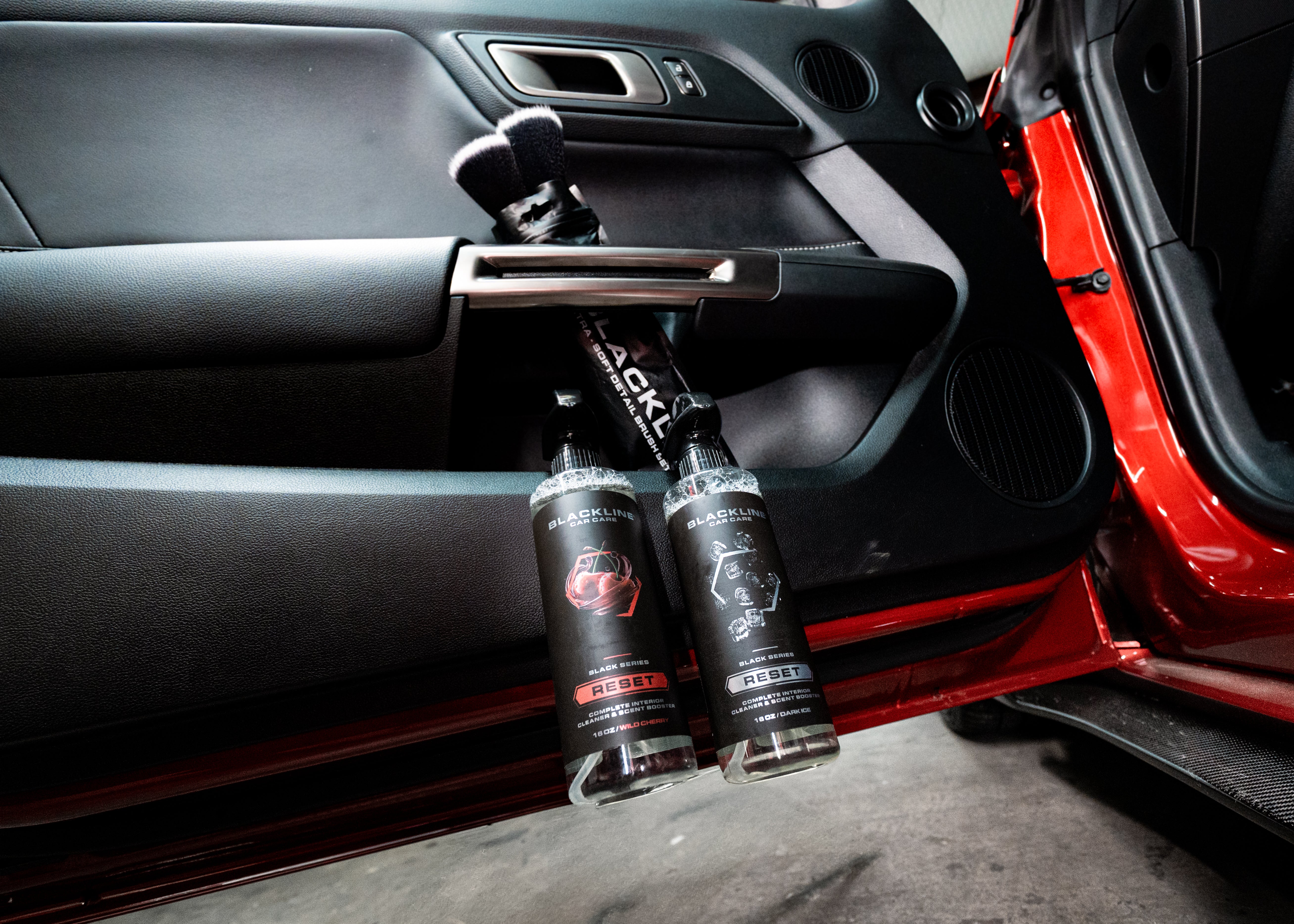
When choosing a car interior cleaner, look for:
- “Interior-specific” labeling
- pH-balanced formula
- Safe for leather and screens
- No harsh solvents or degreasers
- Clean finish (not shiny or greasy)
These are the characteristics of a professional-grade interior cleaner that works for both detailers and daily drivers.