Microfiber Towels Explained: GSM, Weaves, and What to Use Them For
Microfiber towels are one of the most versatile tools in detailing, cleaning, and drying—but not all microfiber towels are created equal.
If you’ve ever wondered what GSM really means, why twisted loop drying towels absorb more, or which microfiber weave to use for each task, this guide breaks it all down in simple, practical terms.
Whether you’re detailing cars, cleaning interiors, or choosing the best microfiber towel for drying, understanding GSM and weave types will help you get better results—and avoid scratching, streaking, or wasted money.
What Does GSM Mean?
GSM stands for grams per square meter. It measures the density and thickness of a microfiber towel.
In simple terms:
- Higher GSM = thicker, heavier, more absorbent
- Lower GSM = lighter, thinner, more precise
200 – 300 GSM Microfiber Towels
Best for:
- Glass cleaning
- Interior surfaces
- Screens and trim
- Light polishing
These towels are low-lint and provide more control, making them ideal where precision matters.
350 – 450 GSM Microfiber Towels
Best for:
- Interior detailing
- All-purpose cleaning
- Removing polish or wax residue
This range balances absorbency and control, making it the most versatile microfiber category.
700+ GSM Microfiber Towels
Best for:
- Car drying
- Final buffing
- Paint-safe wiping
- Water absorption
High-GSM towels hold more water and reduce pressure on paint, minimizing swirl marks.
Microfiber Towel Weaves Explained
Beyond GSM, the weave of a microfiber towel determines how it performs.
Different weaves are engineered for specific tasks using the wrong one can lead to streaks, scratches, or wasted effort.
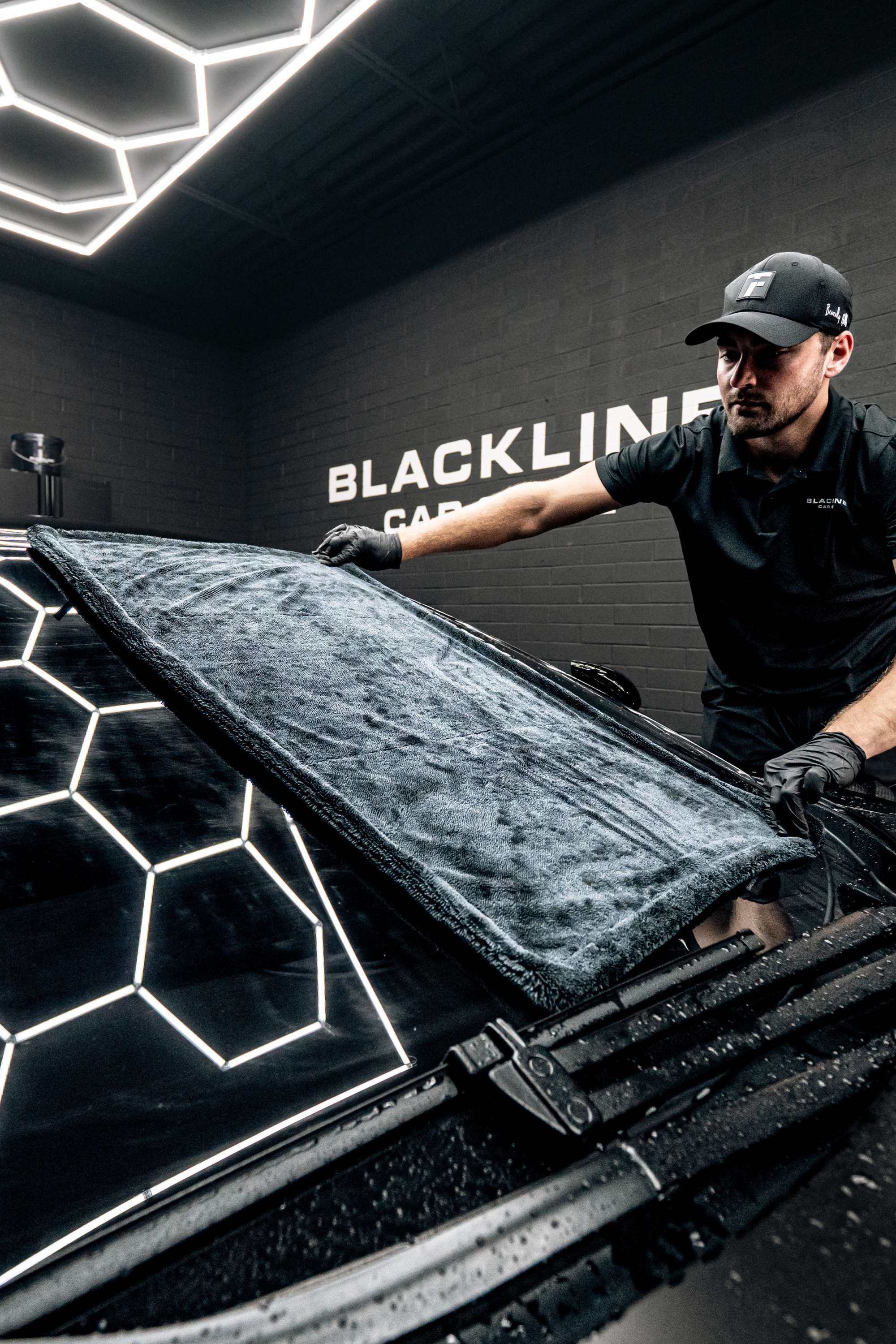
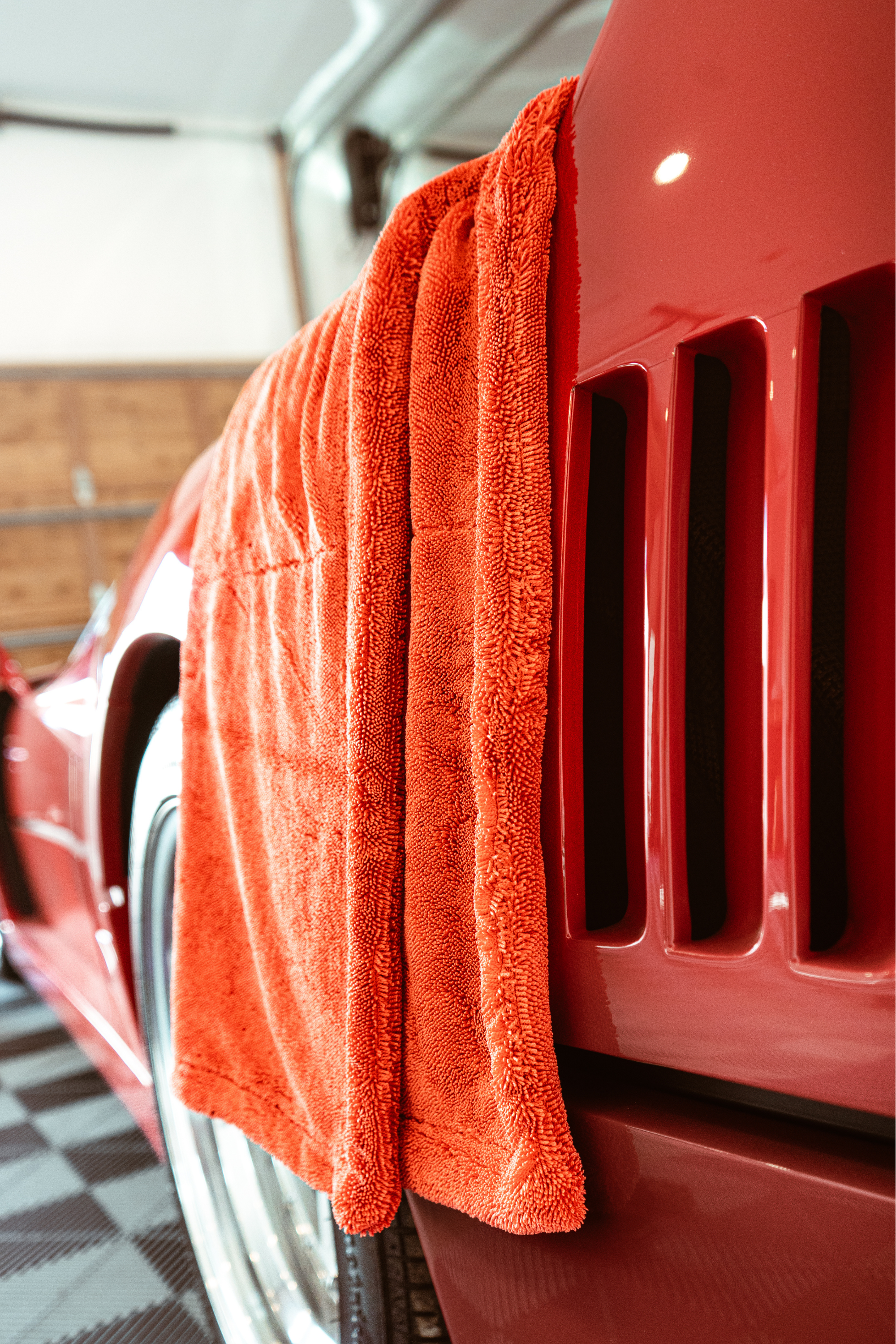
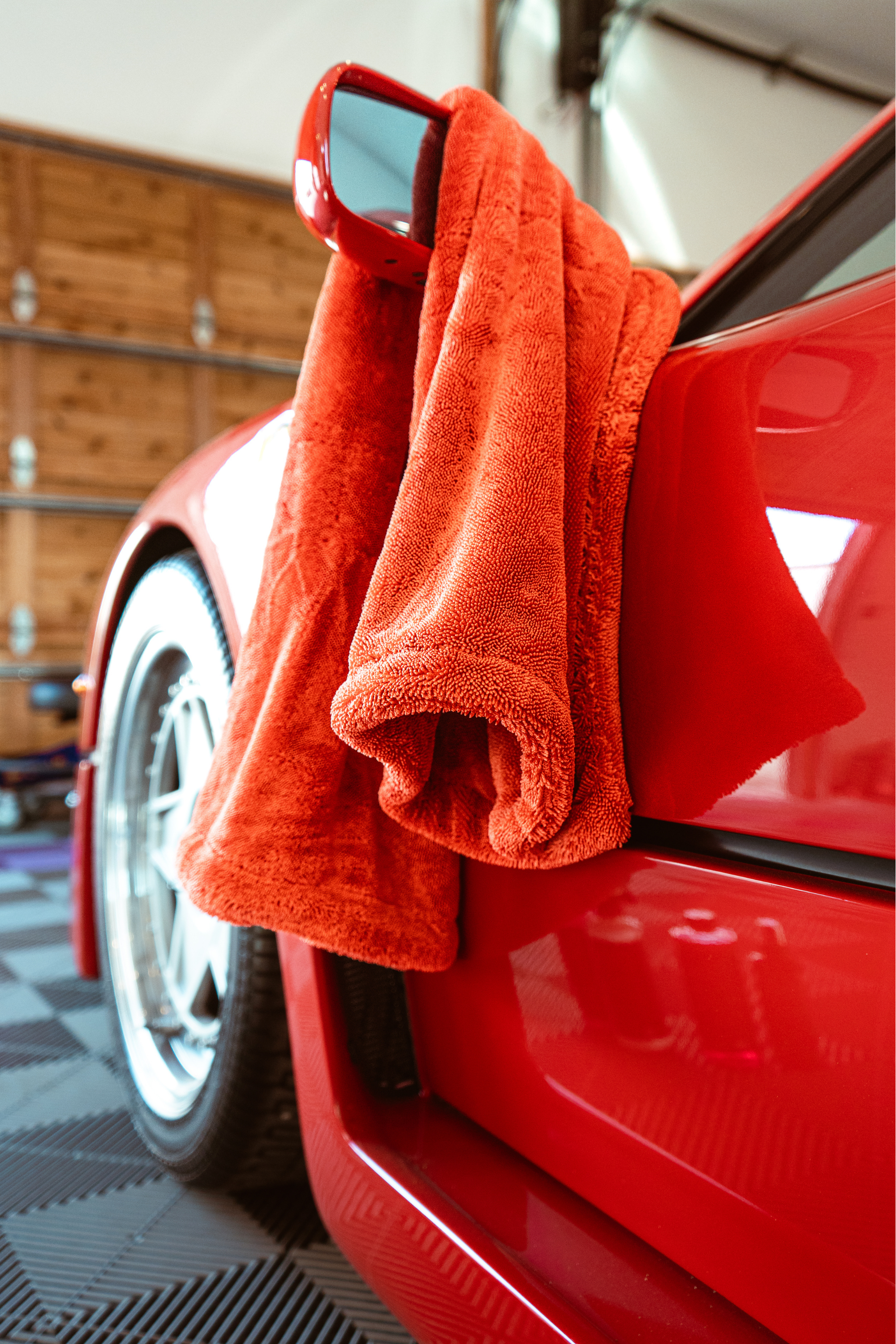
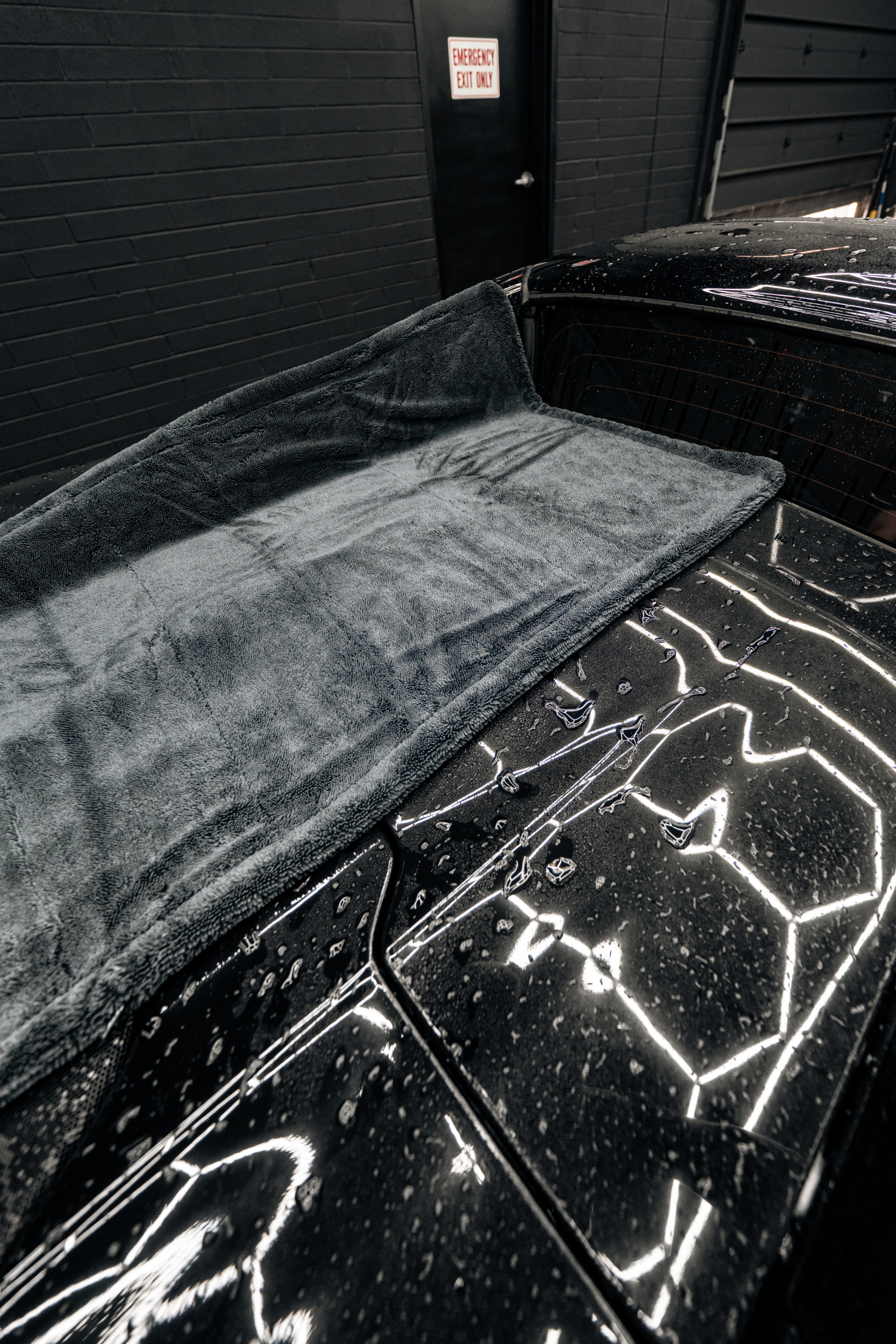
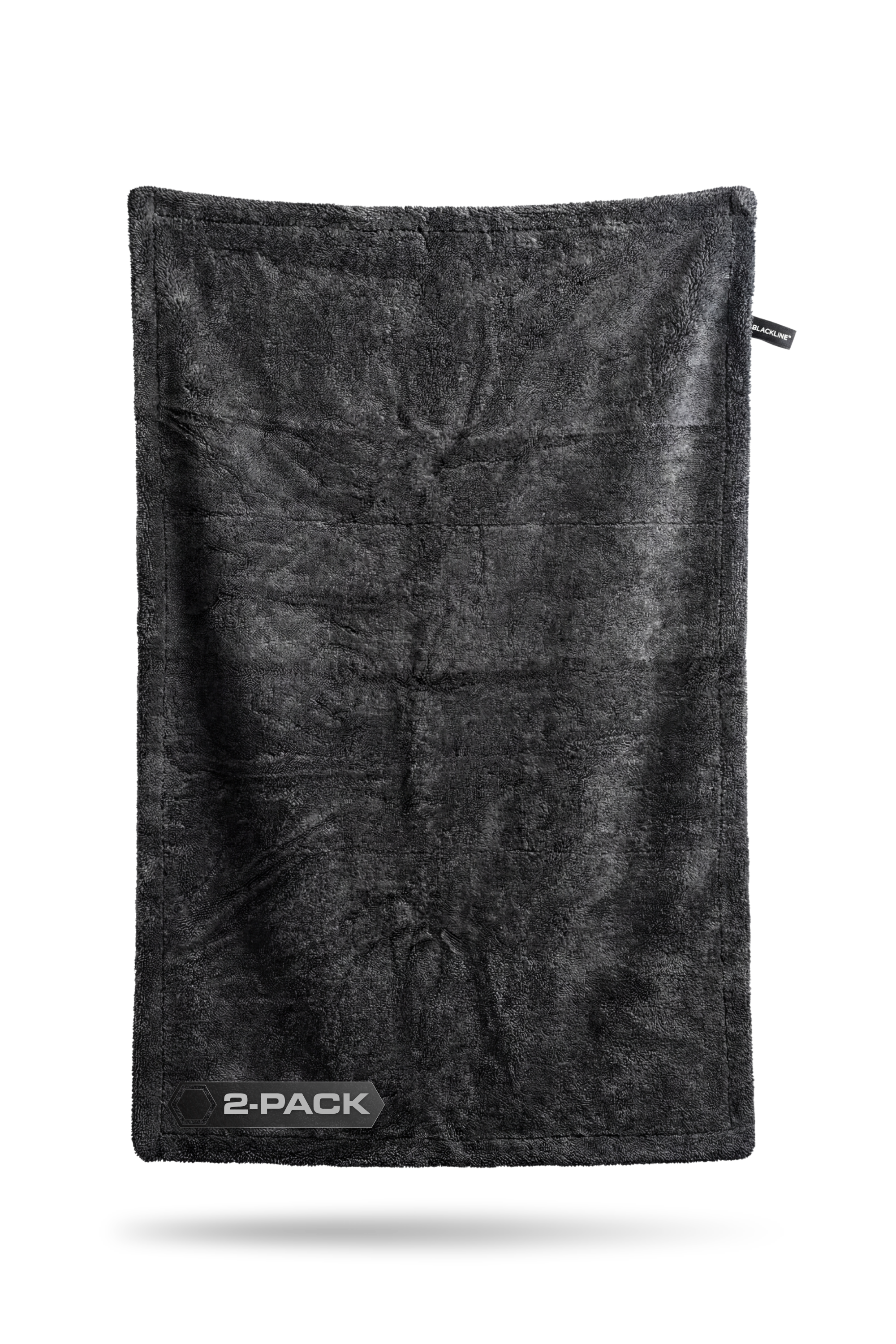
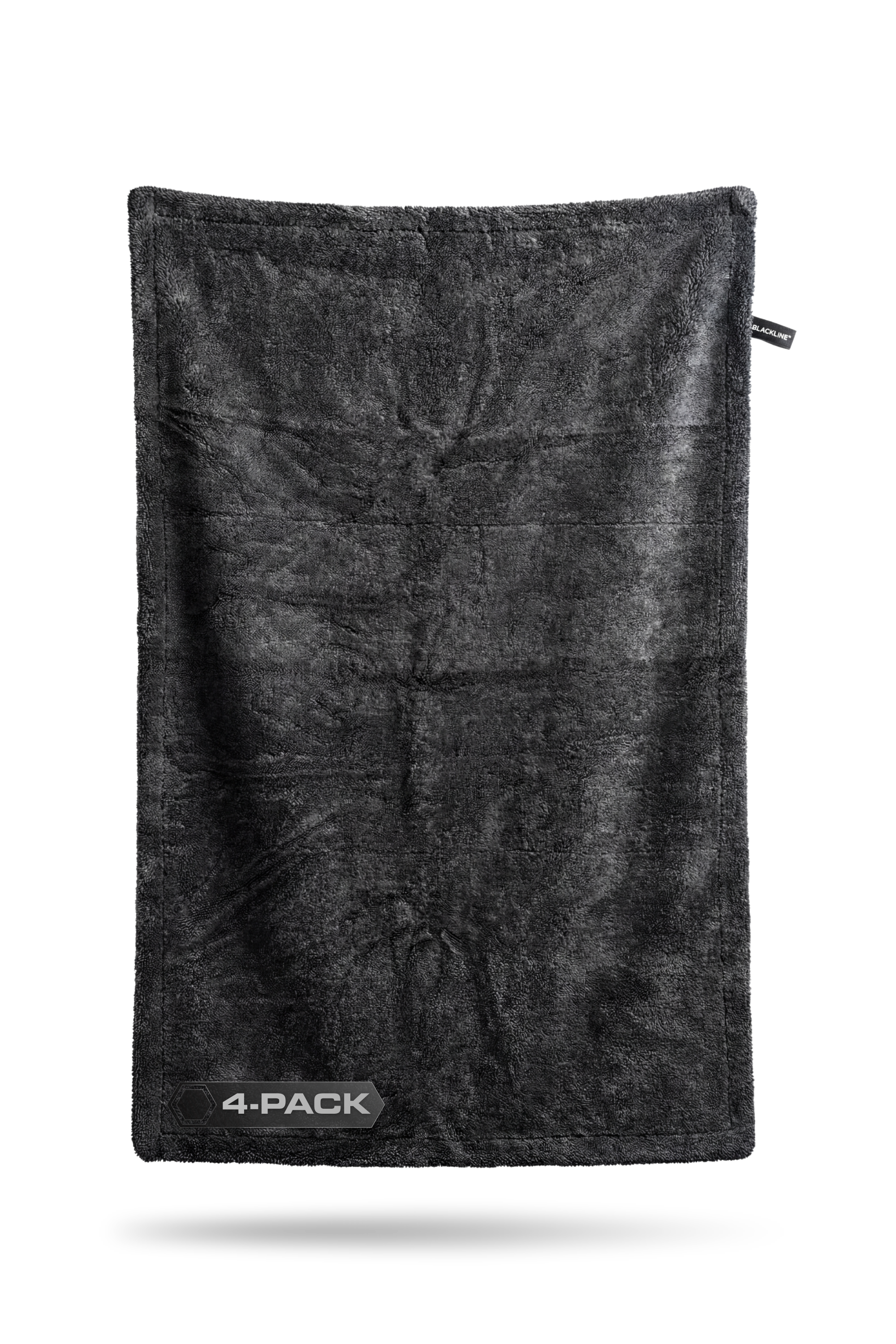
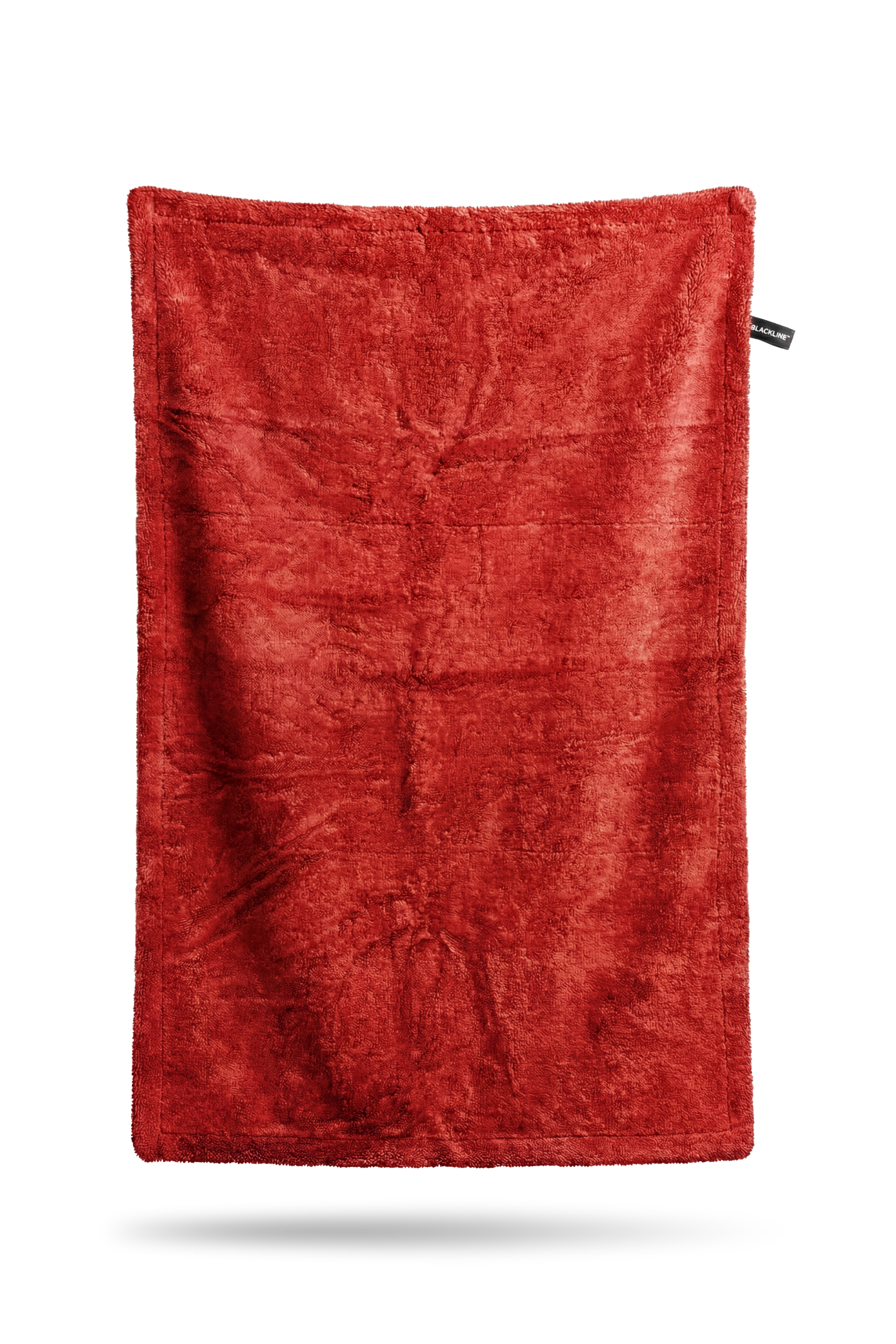
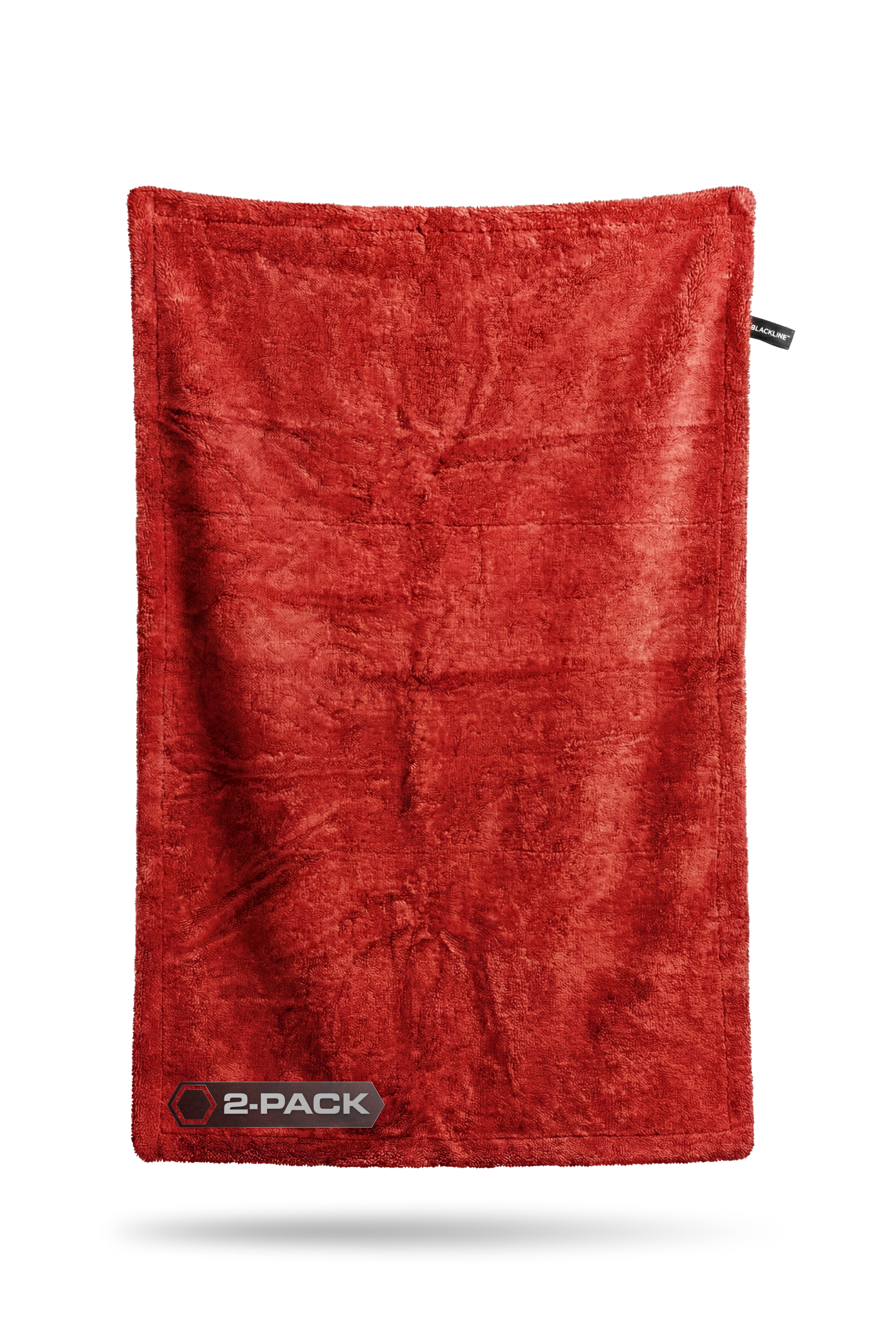
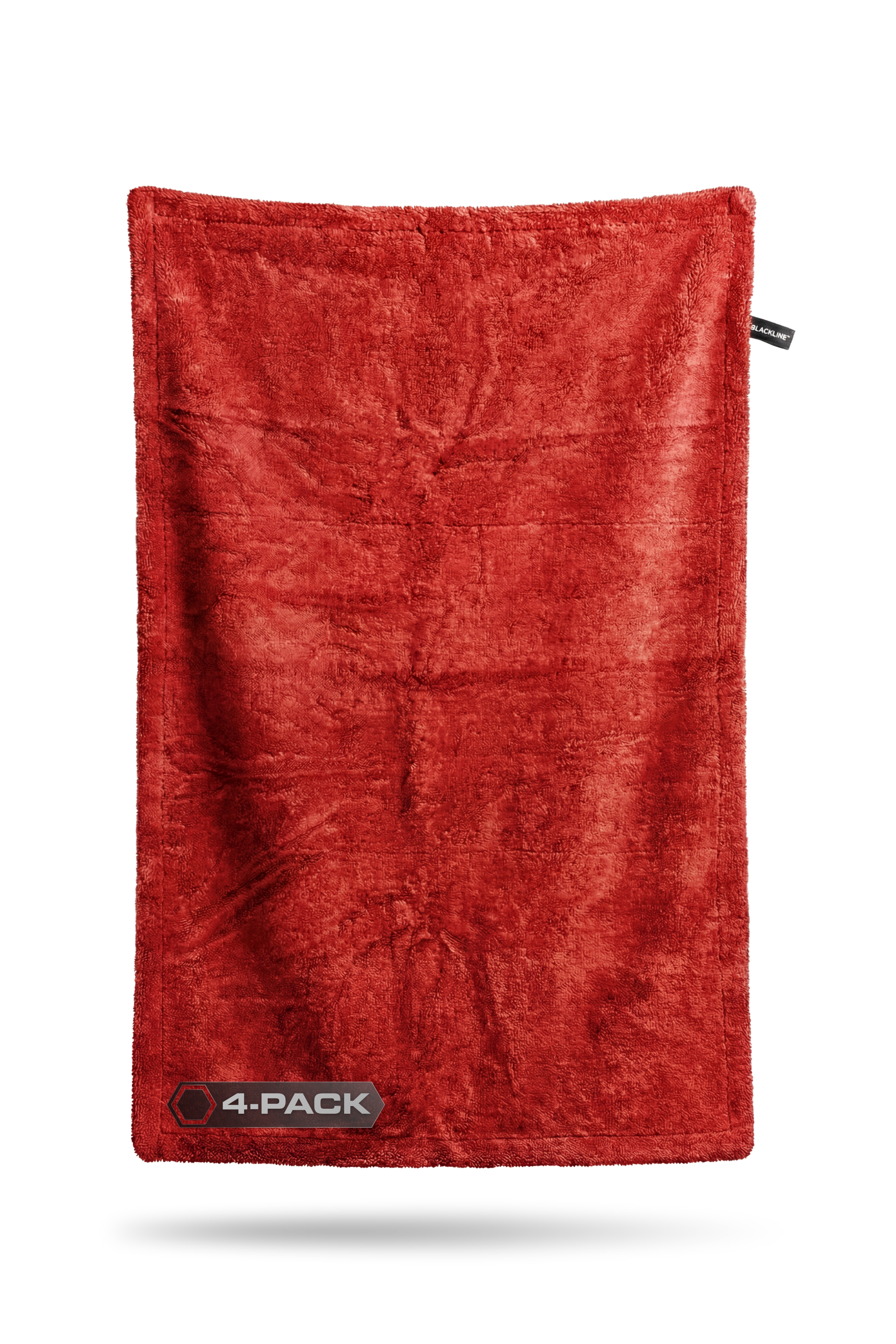
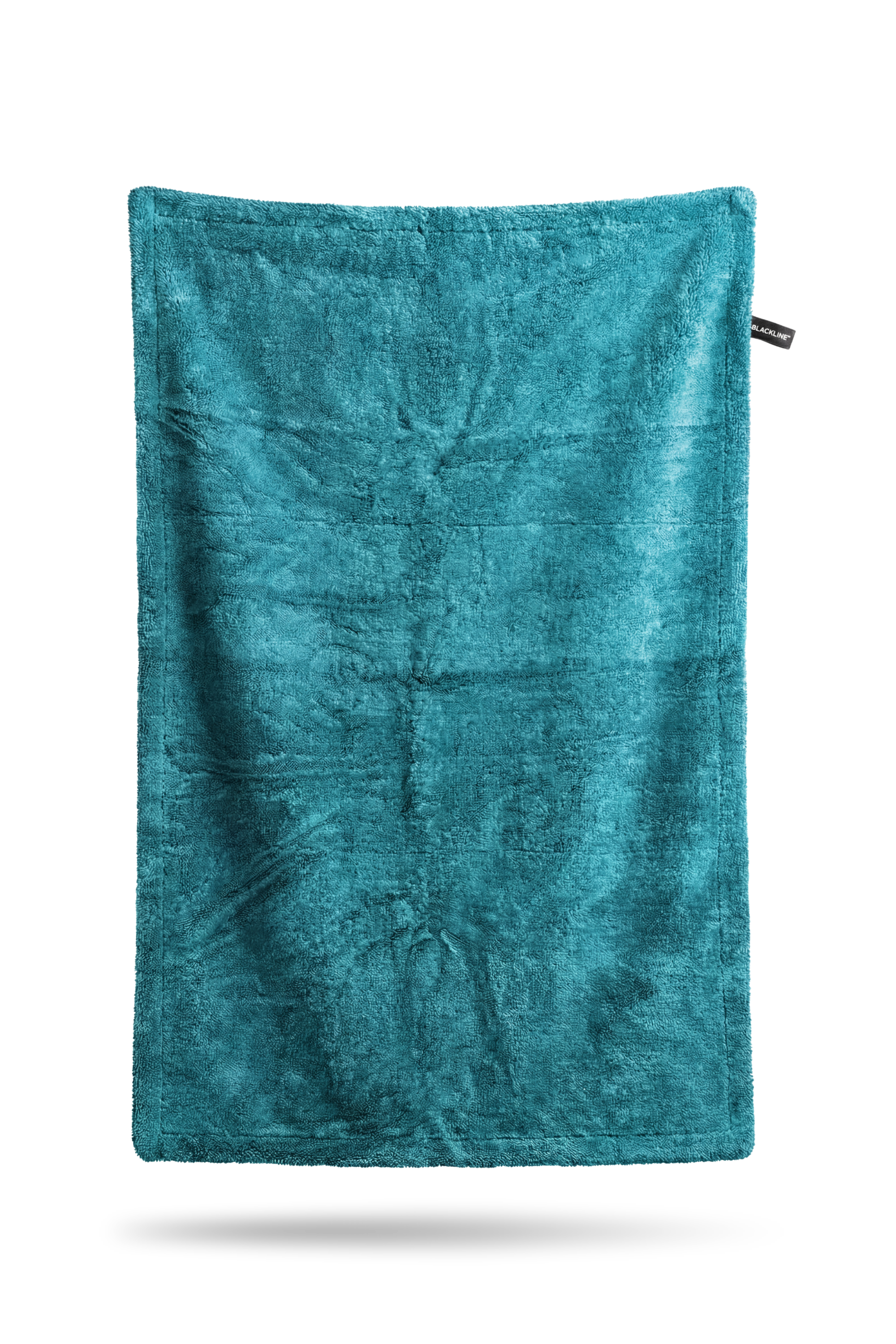
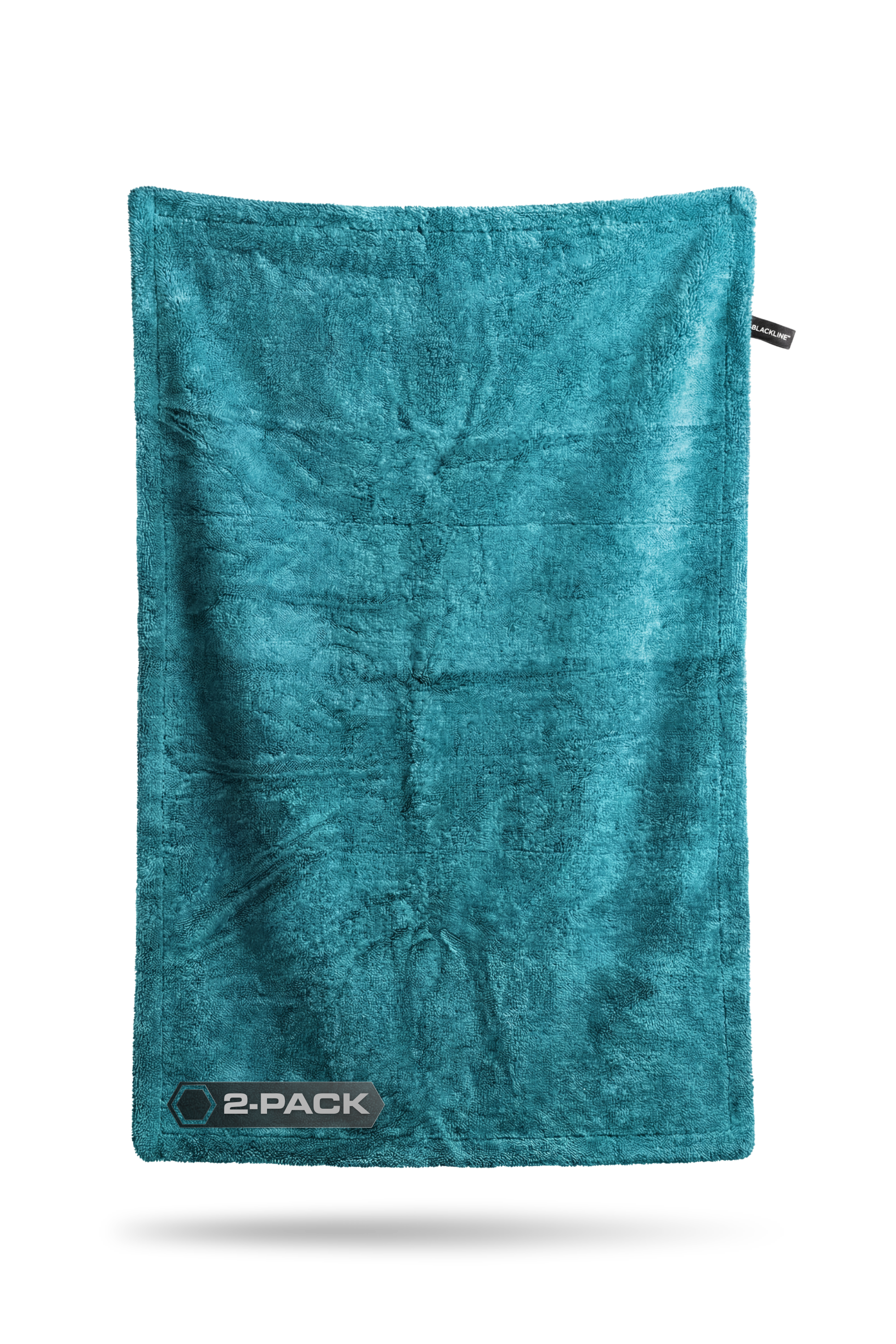
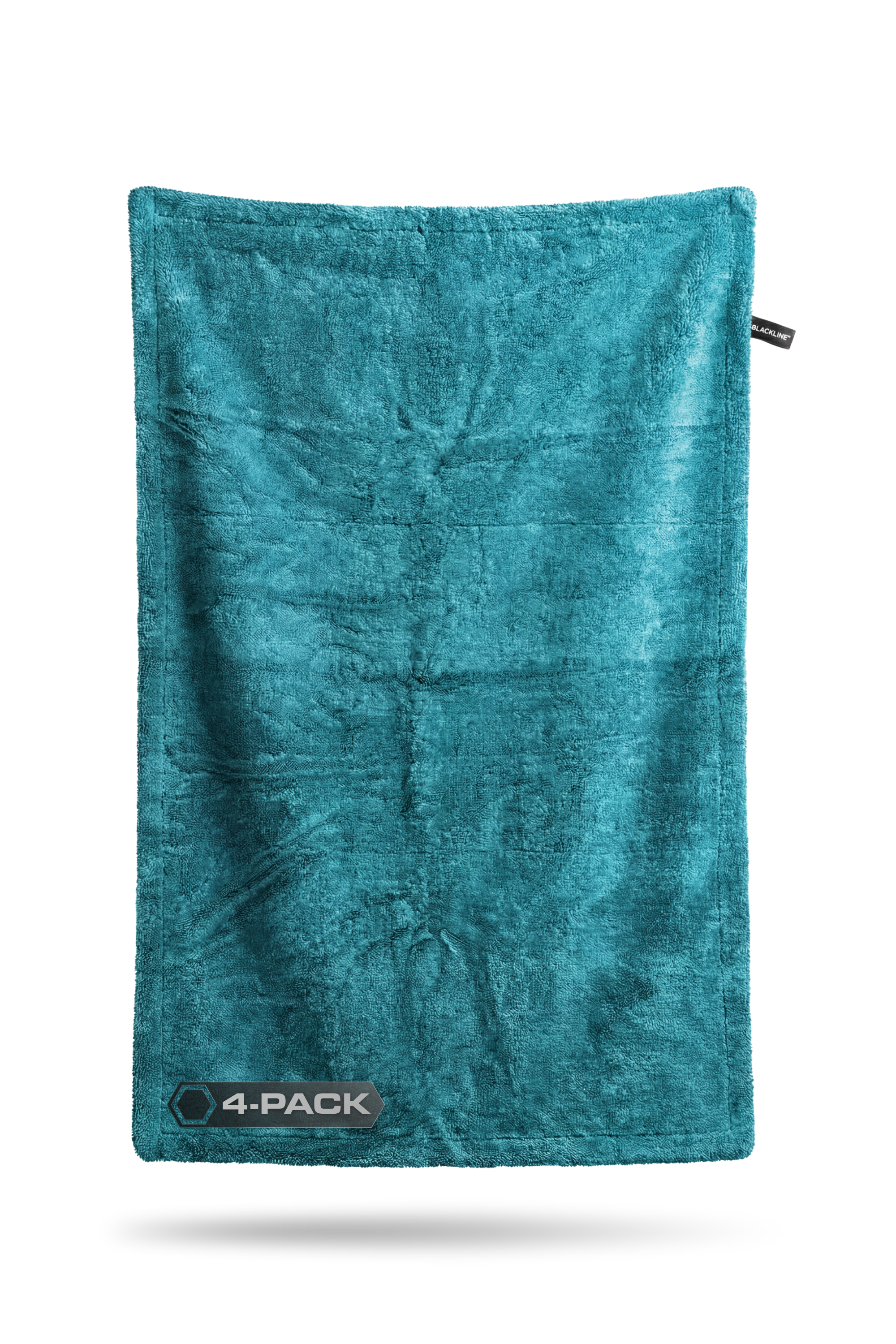
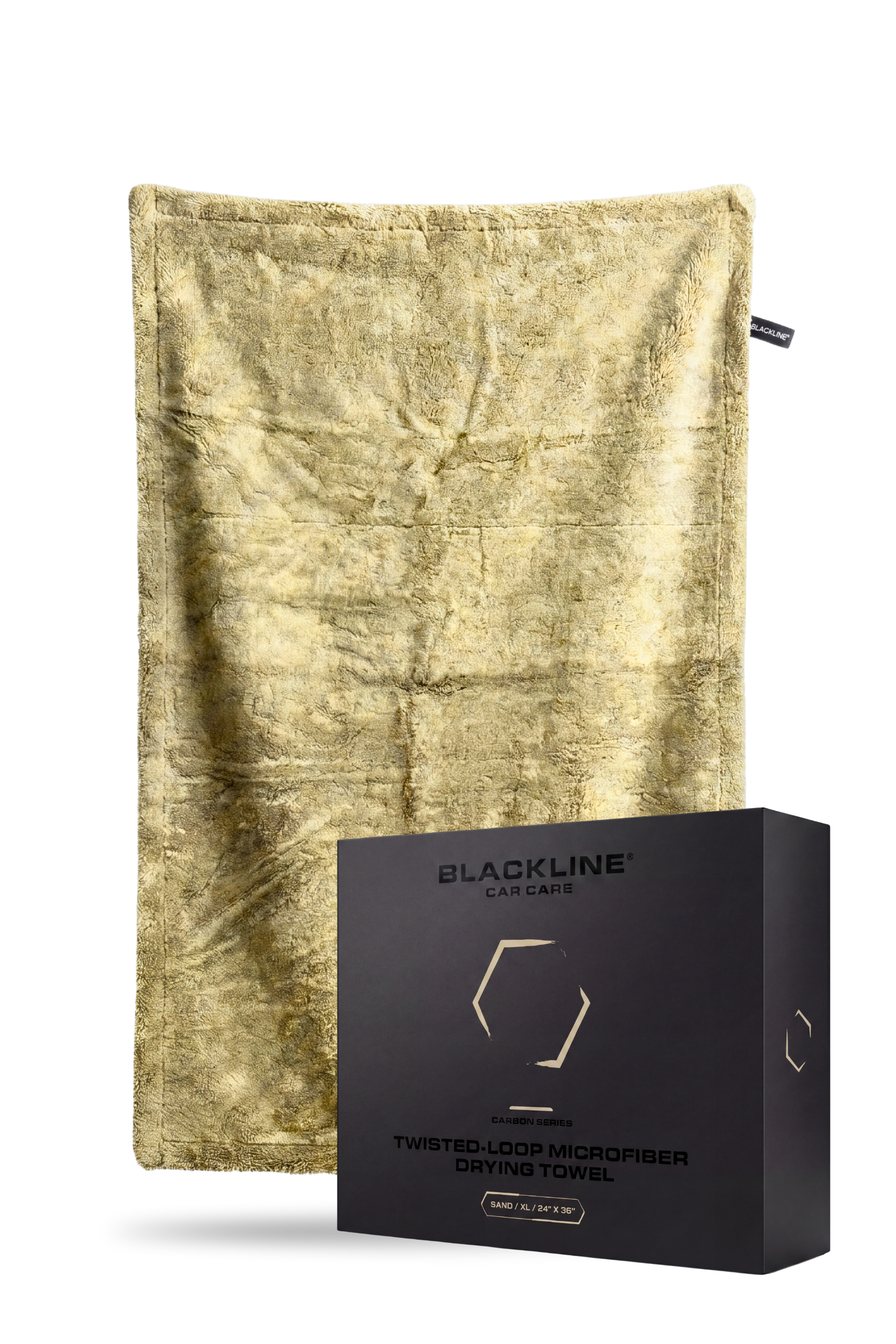
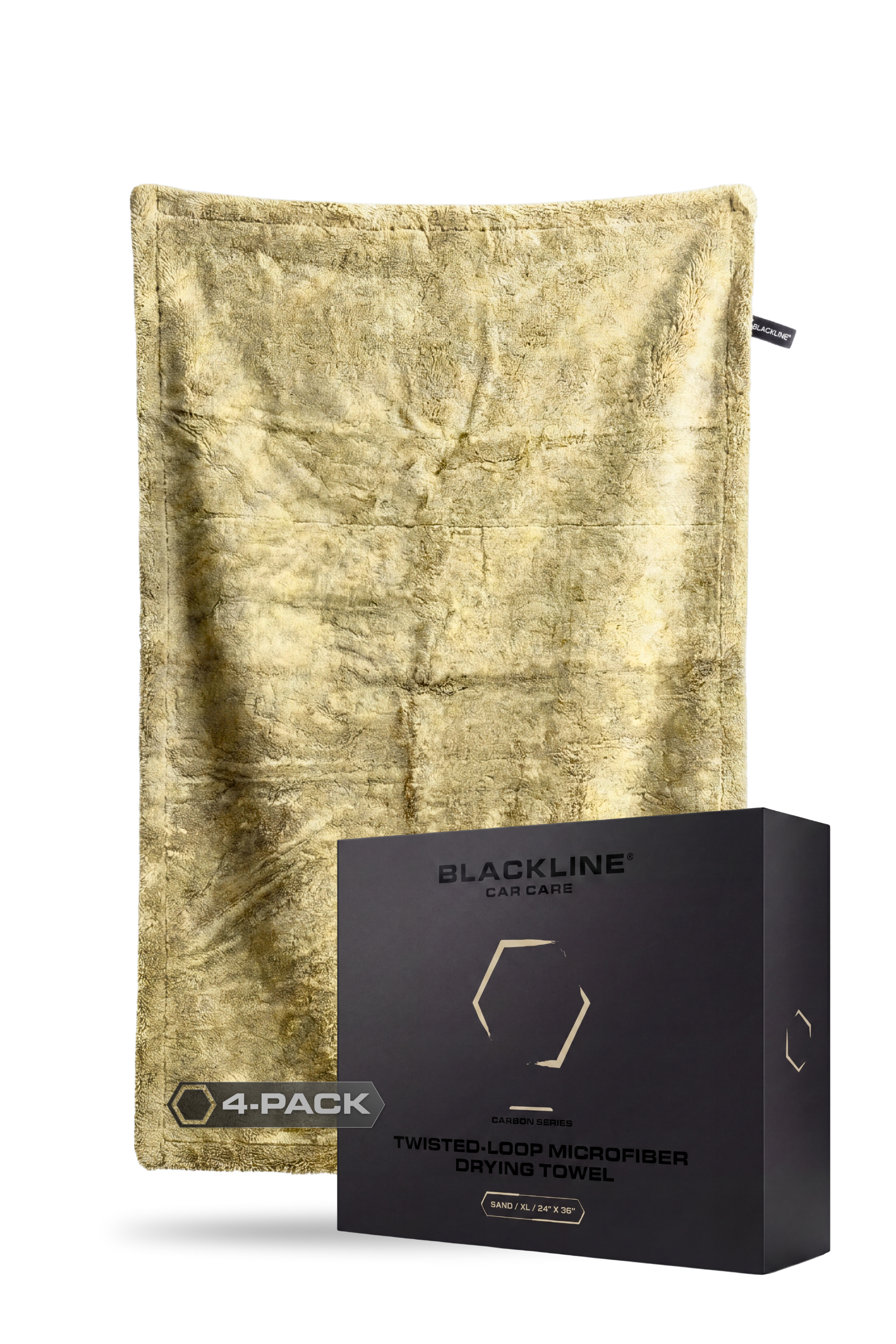
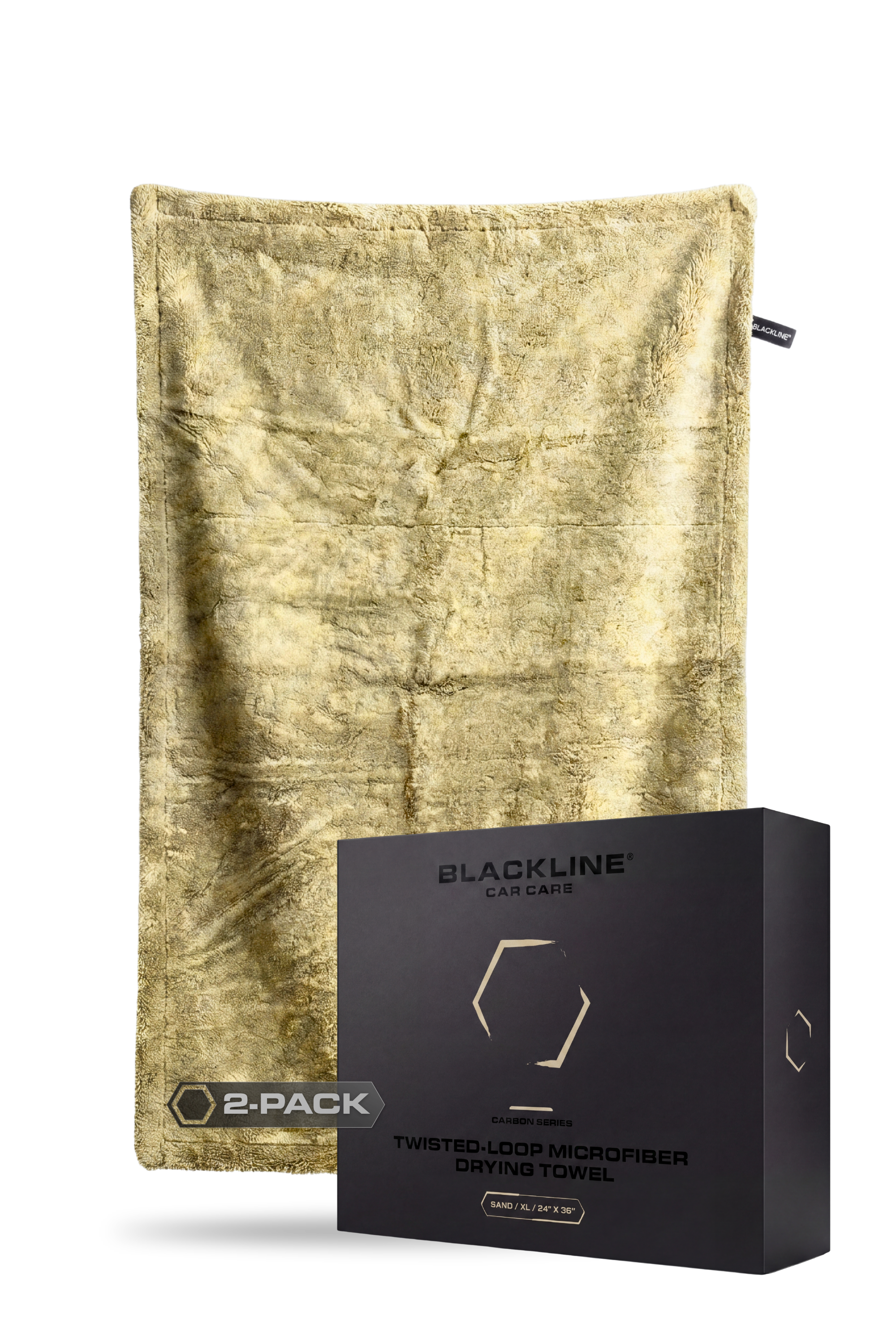
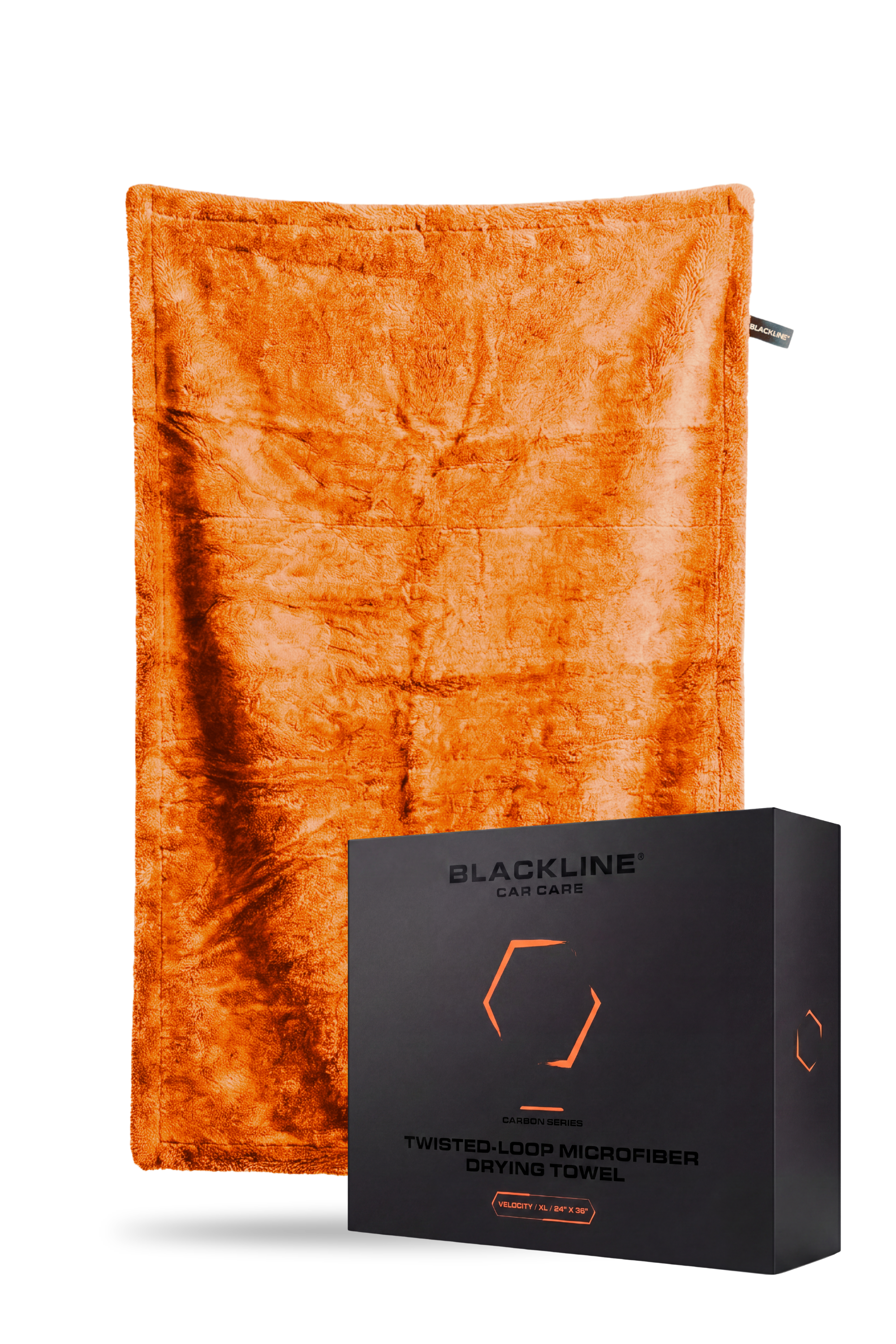
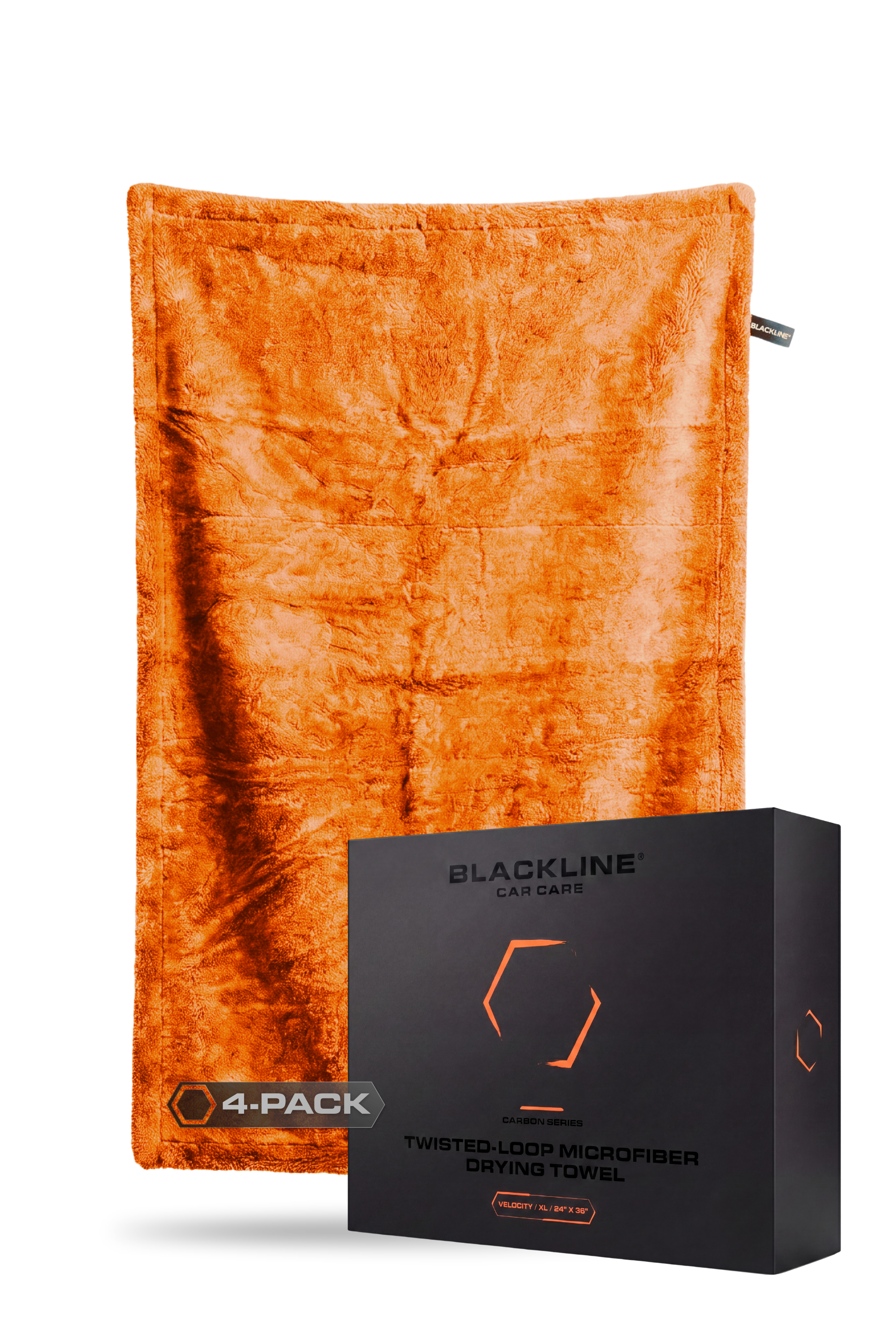
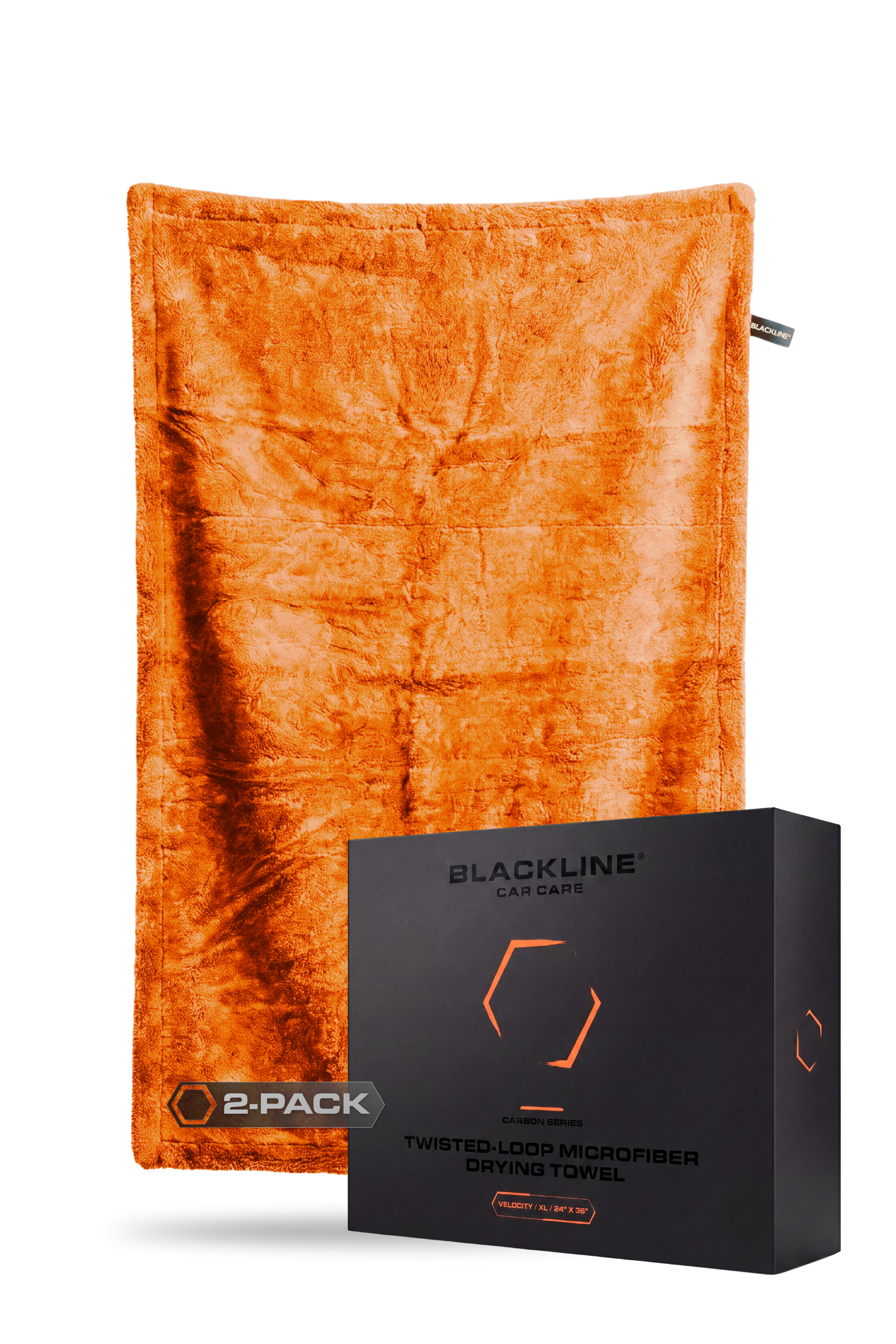
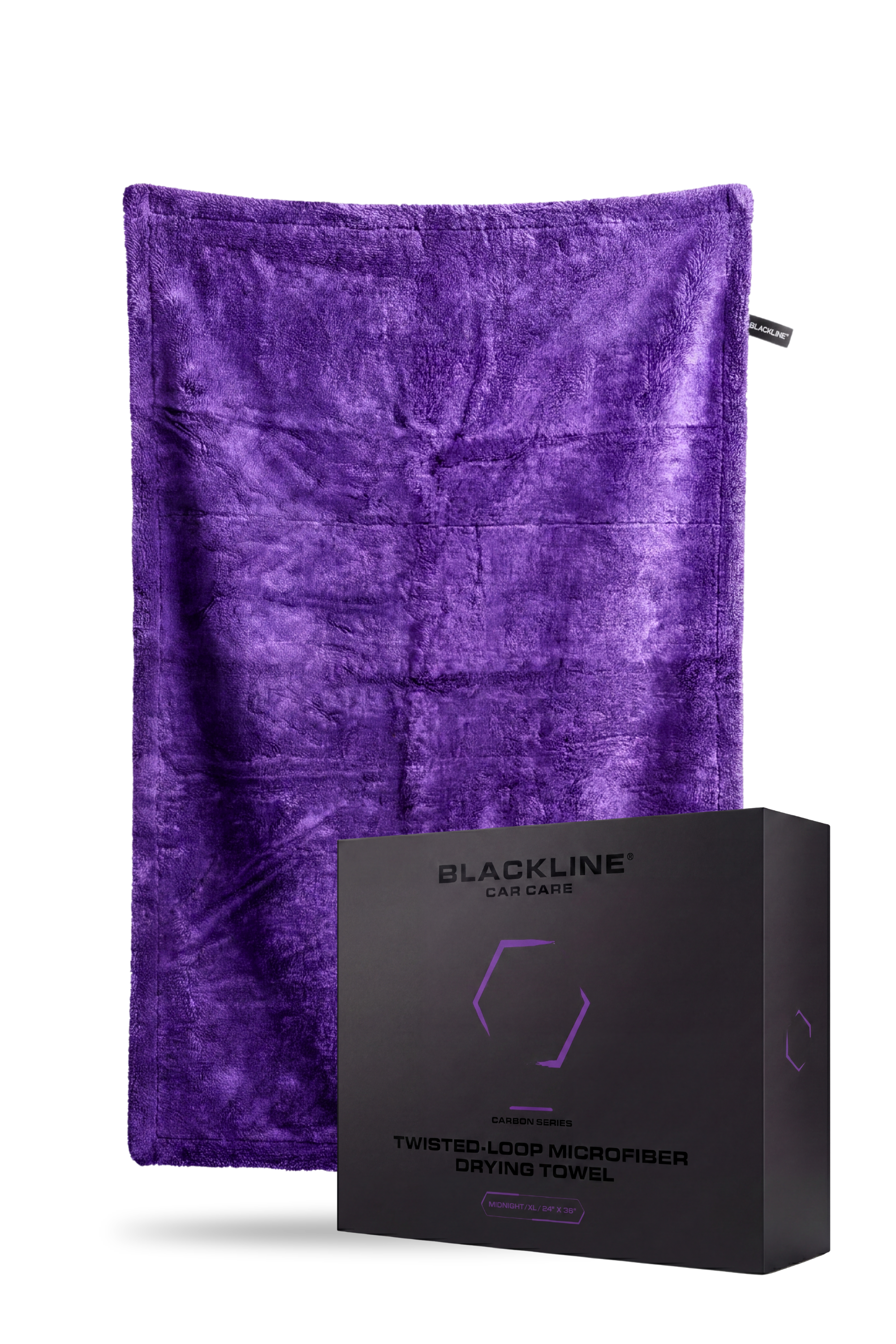
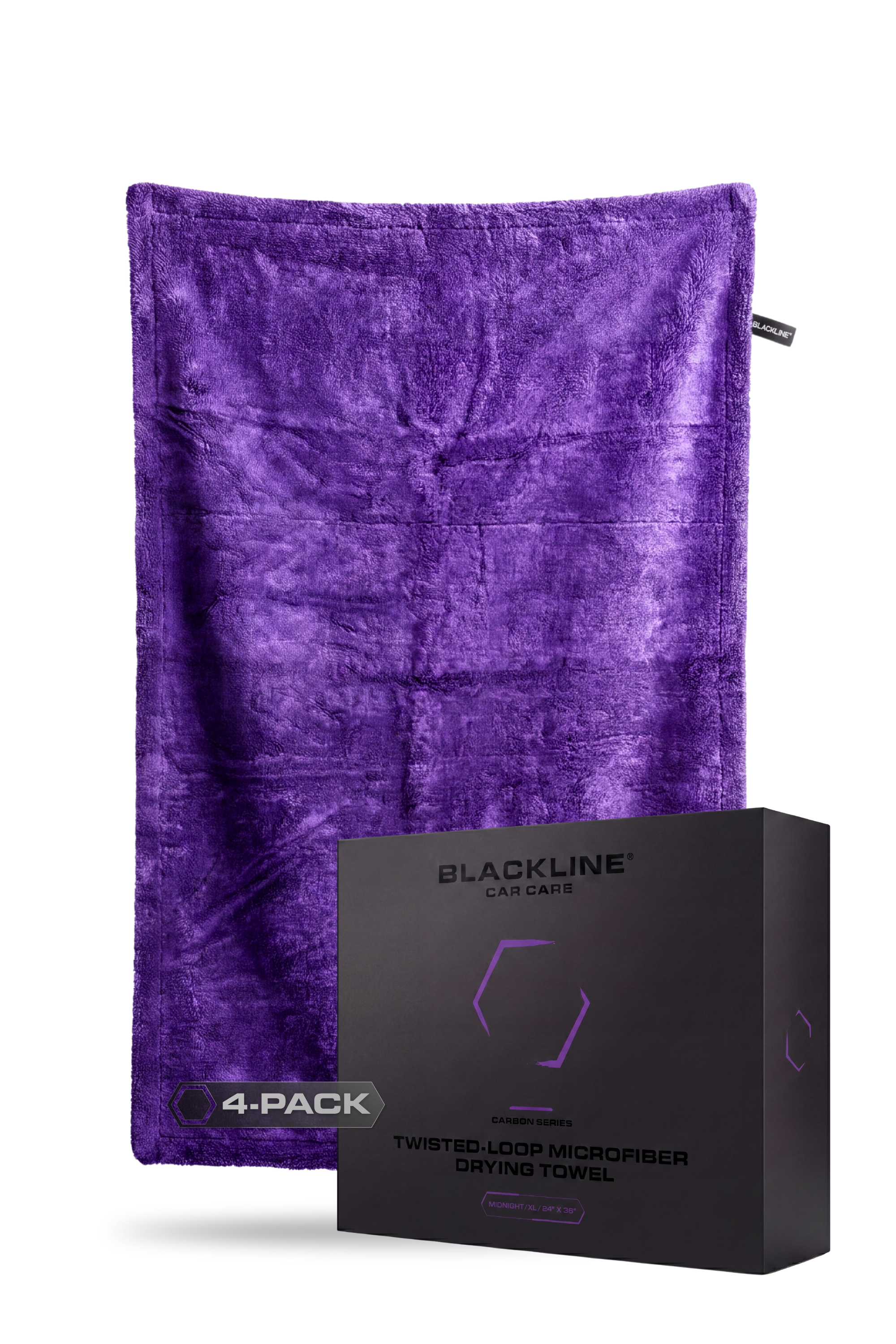
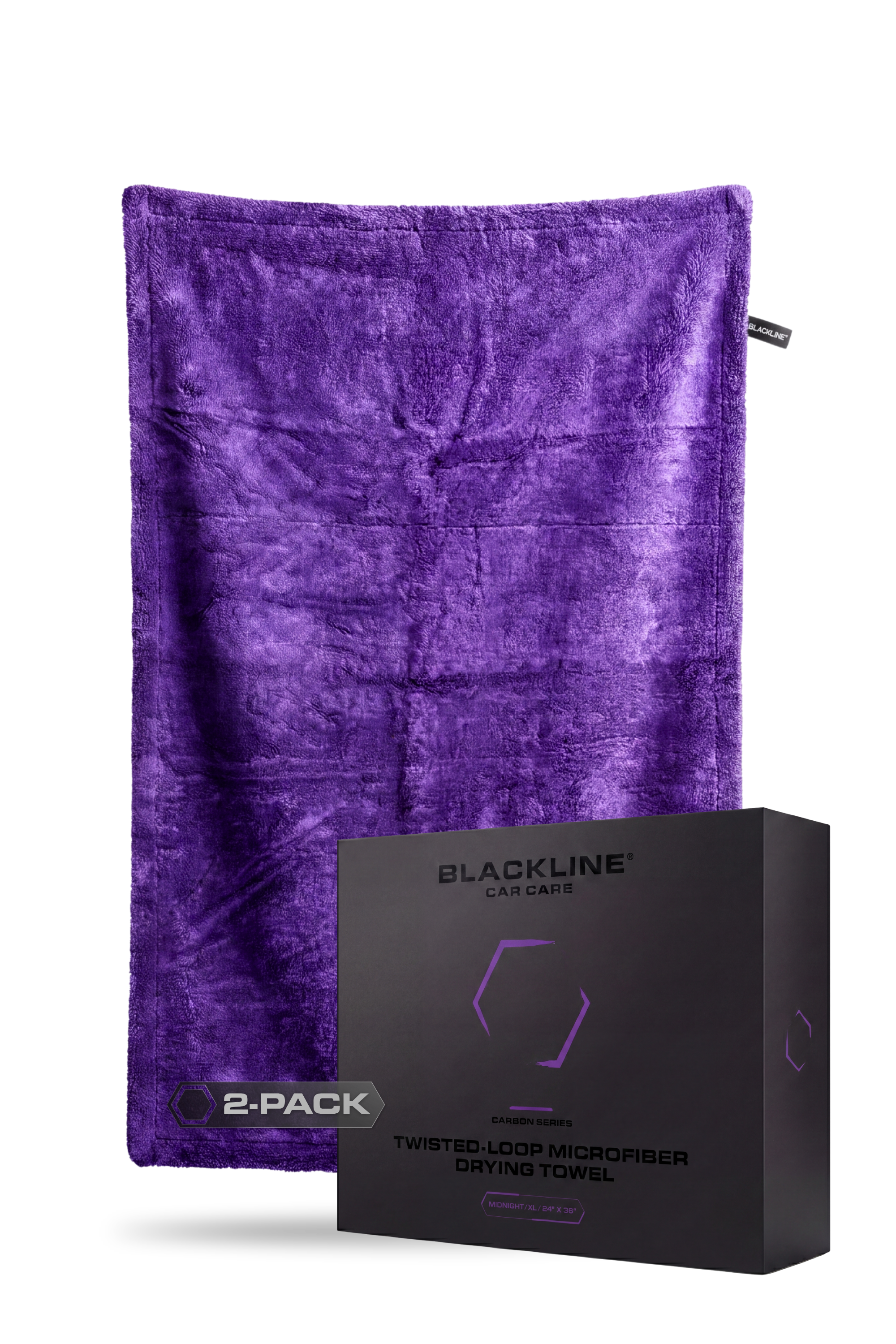
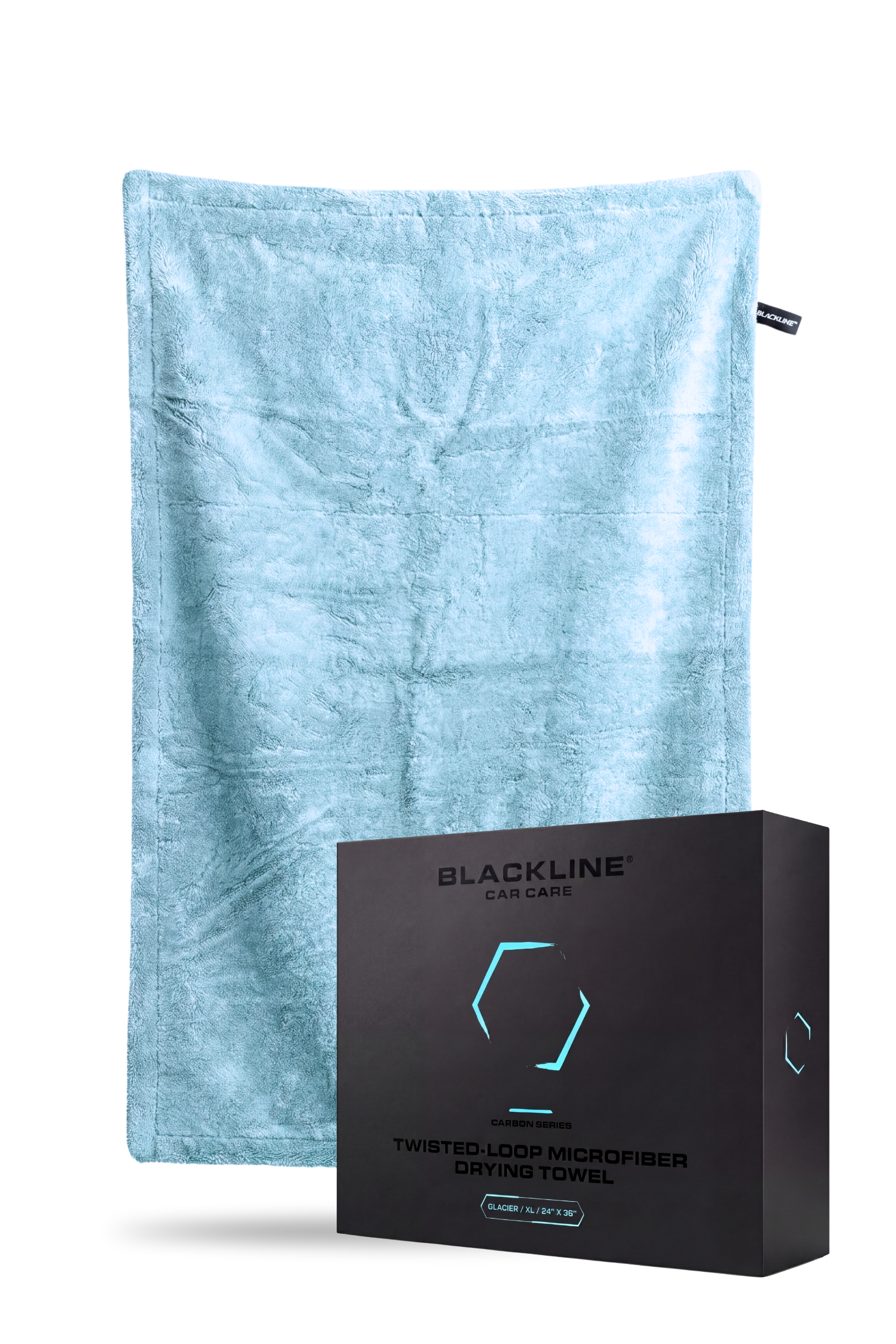
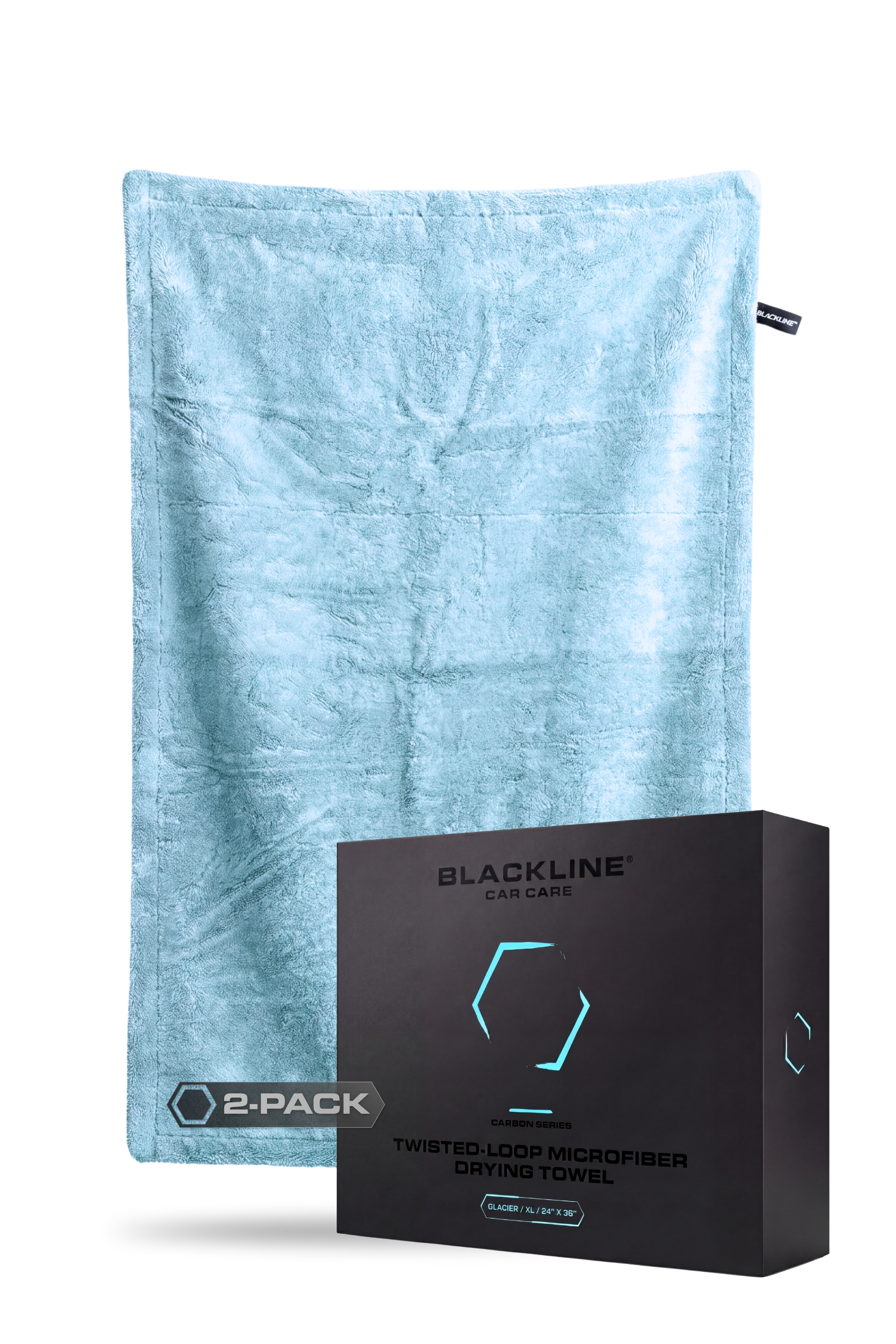
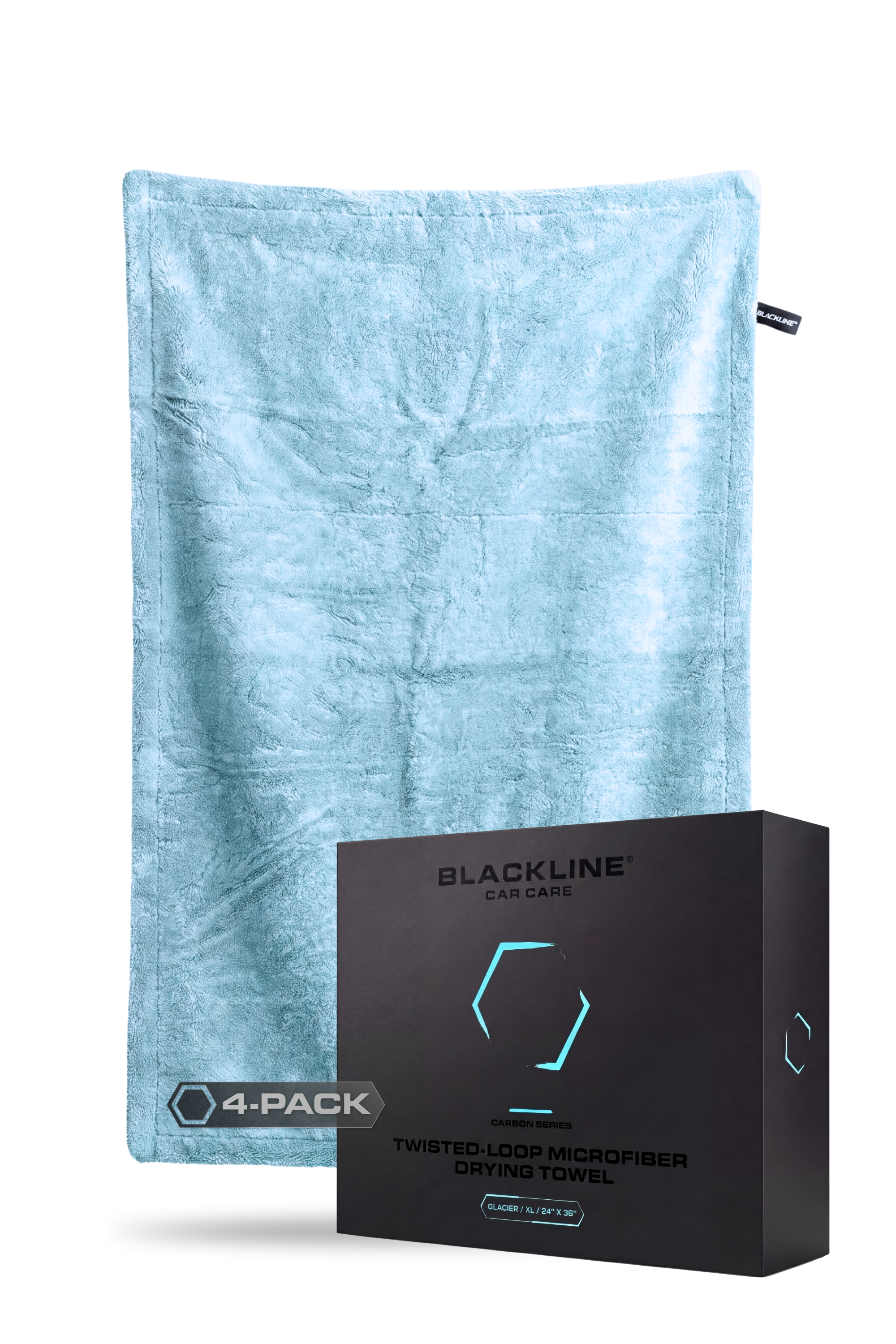
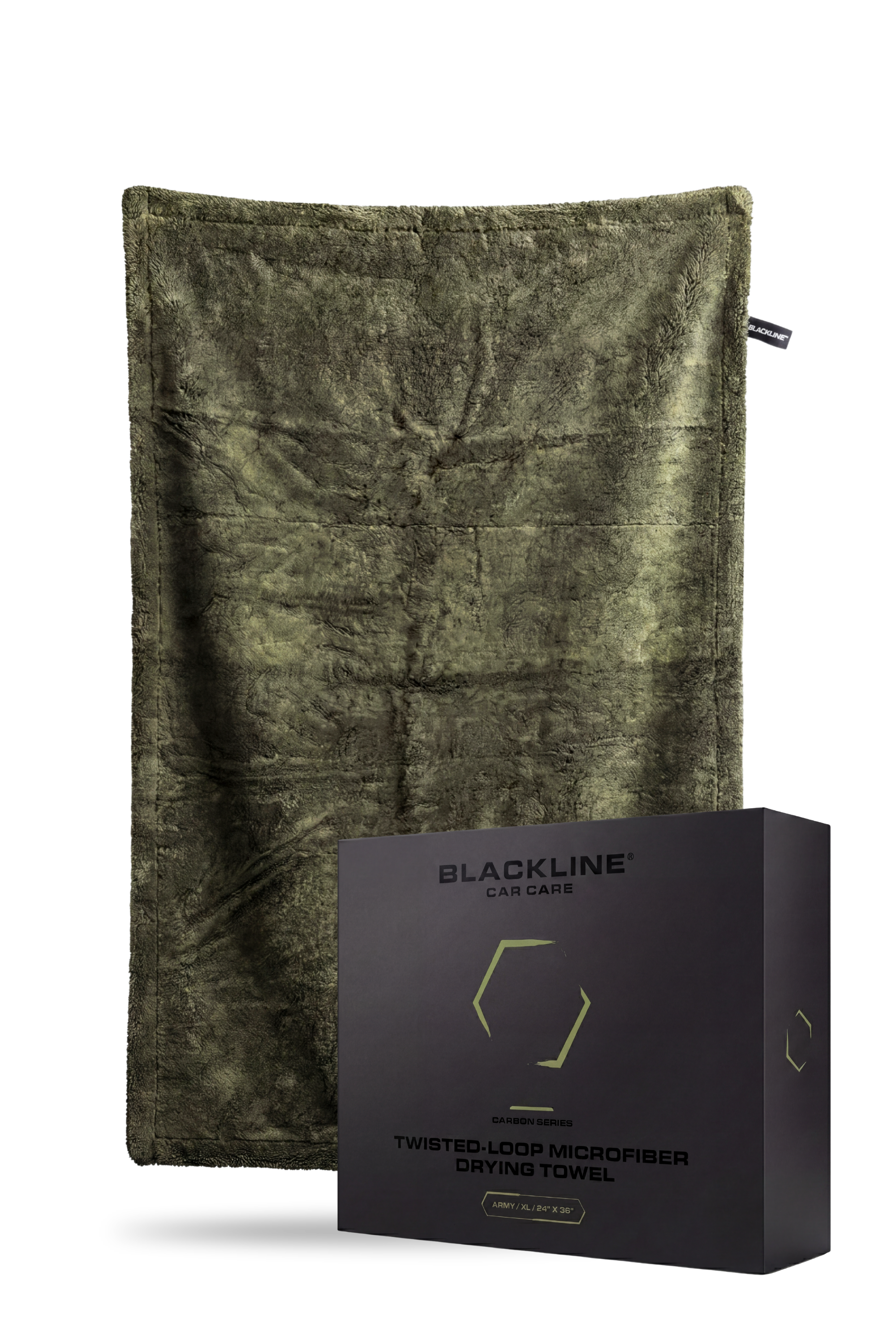
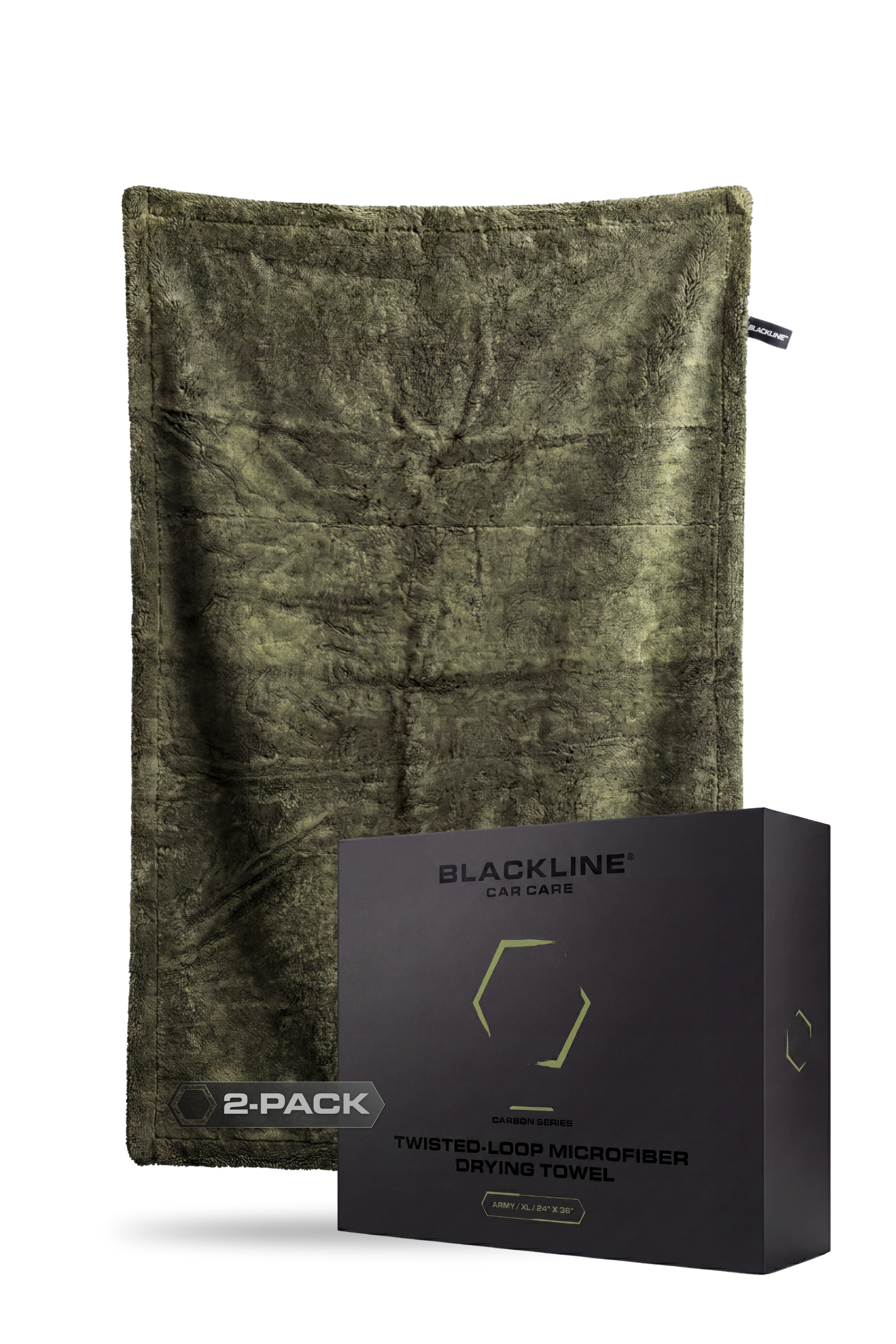
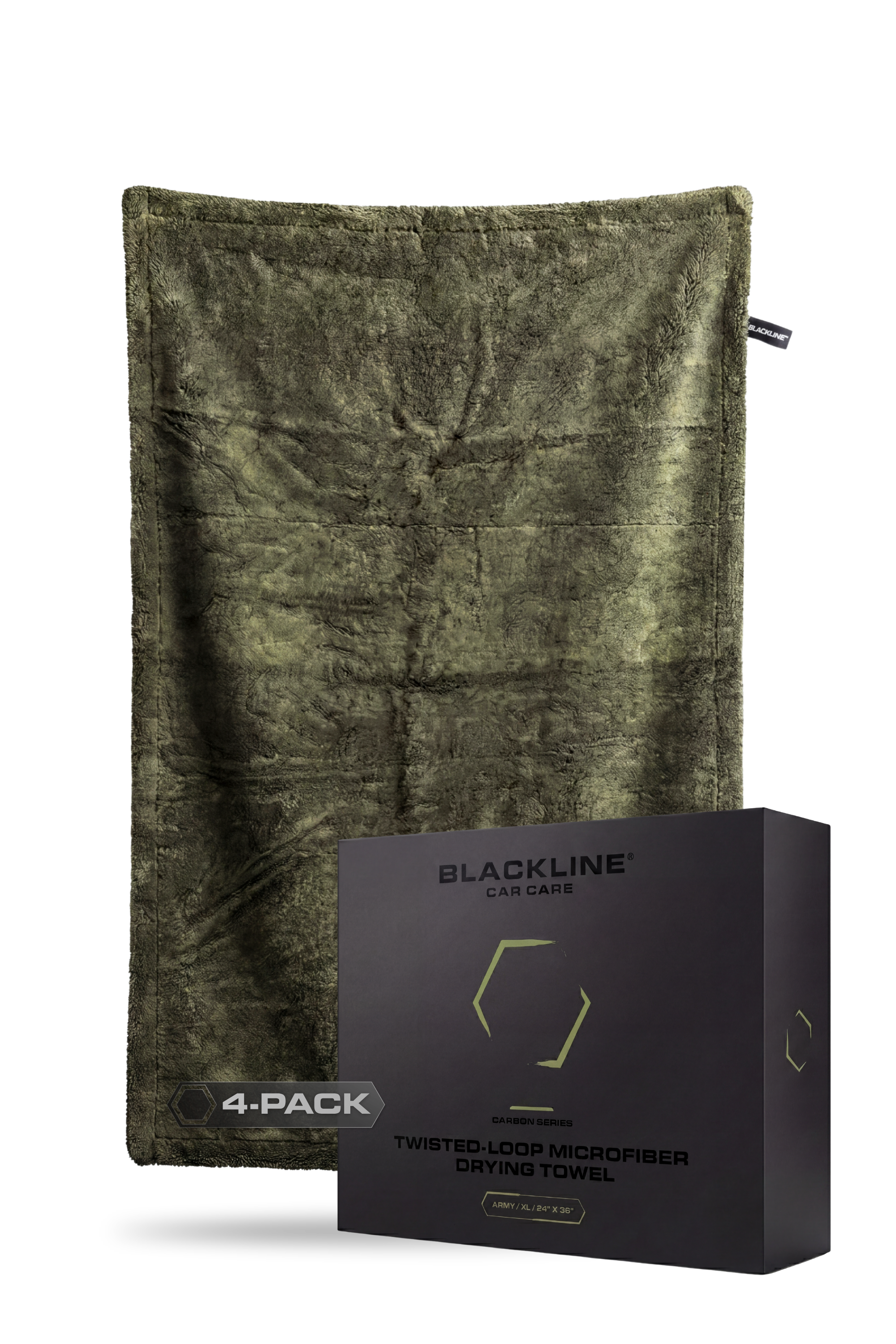
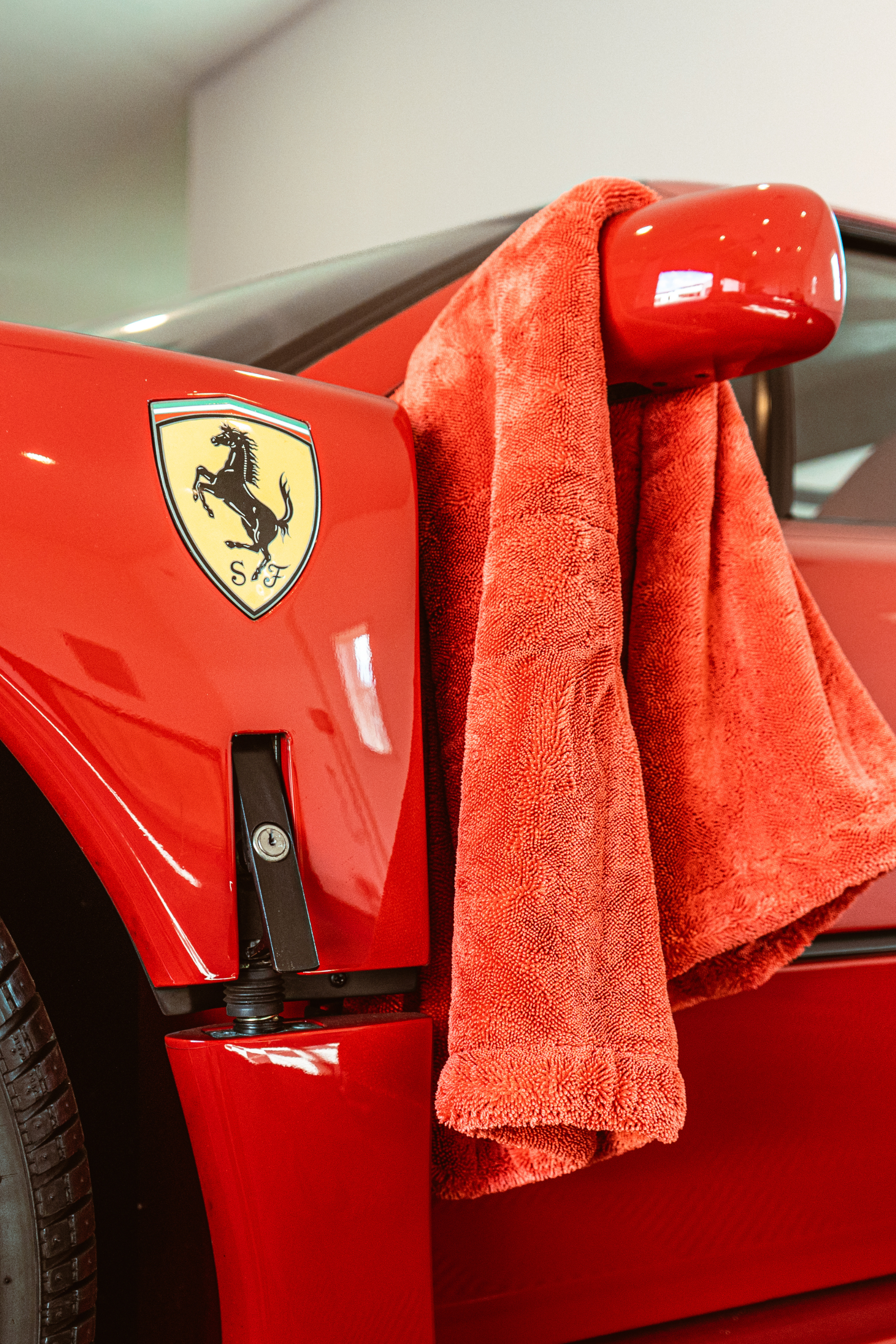
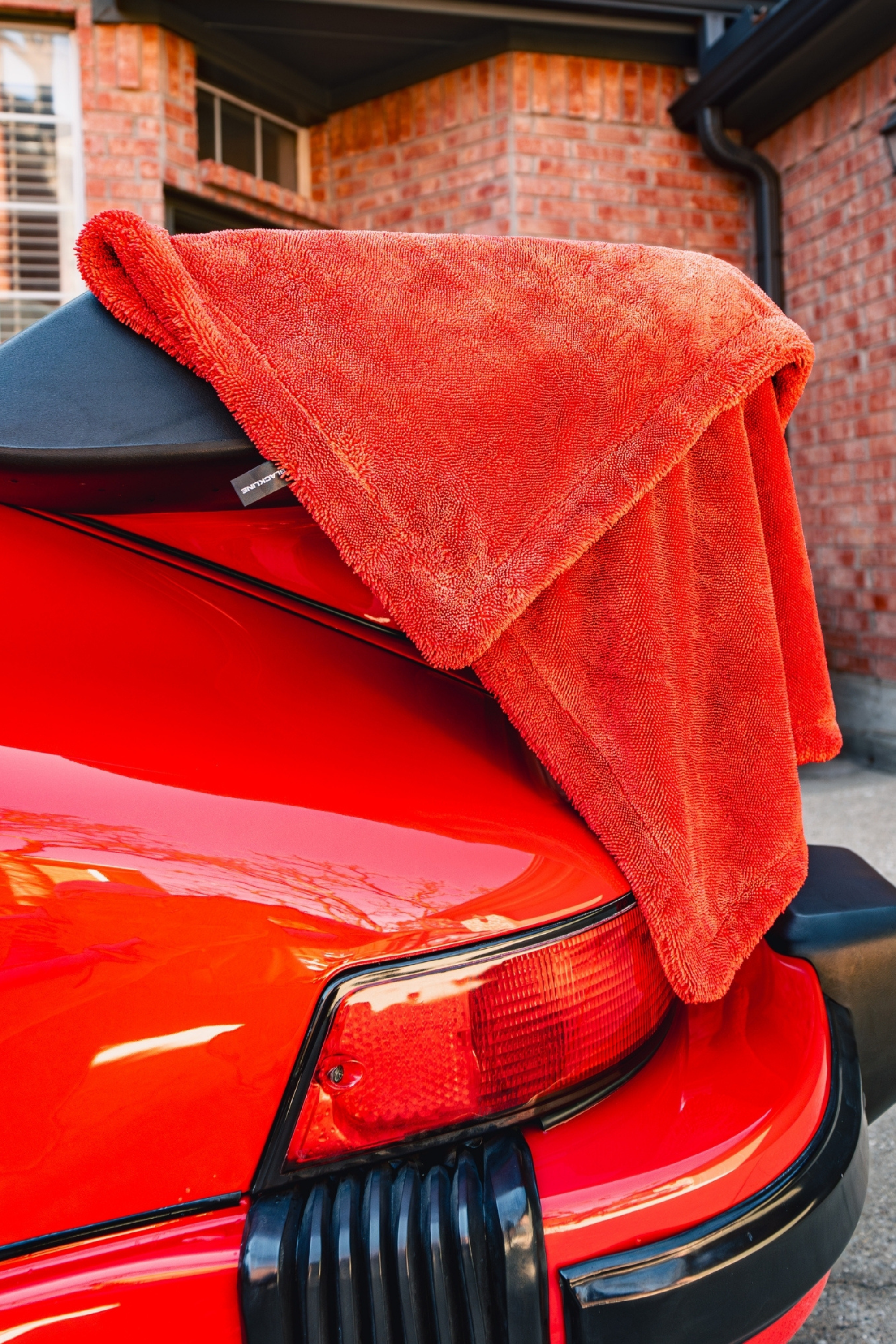
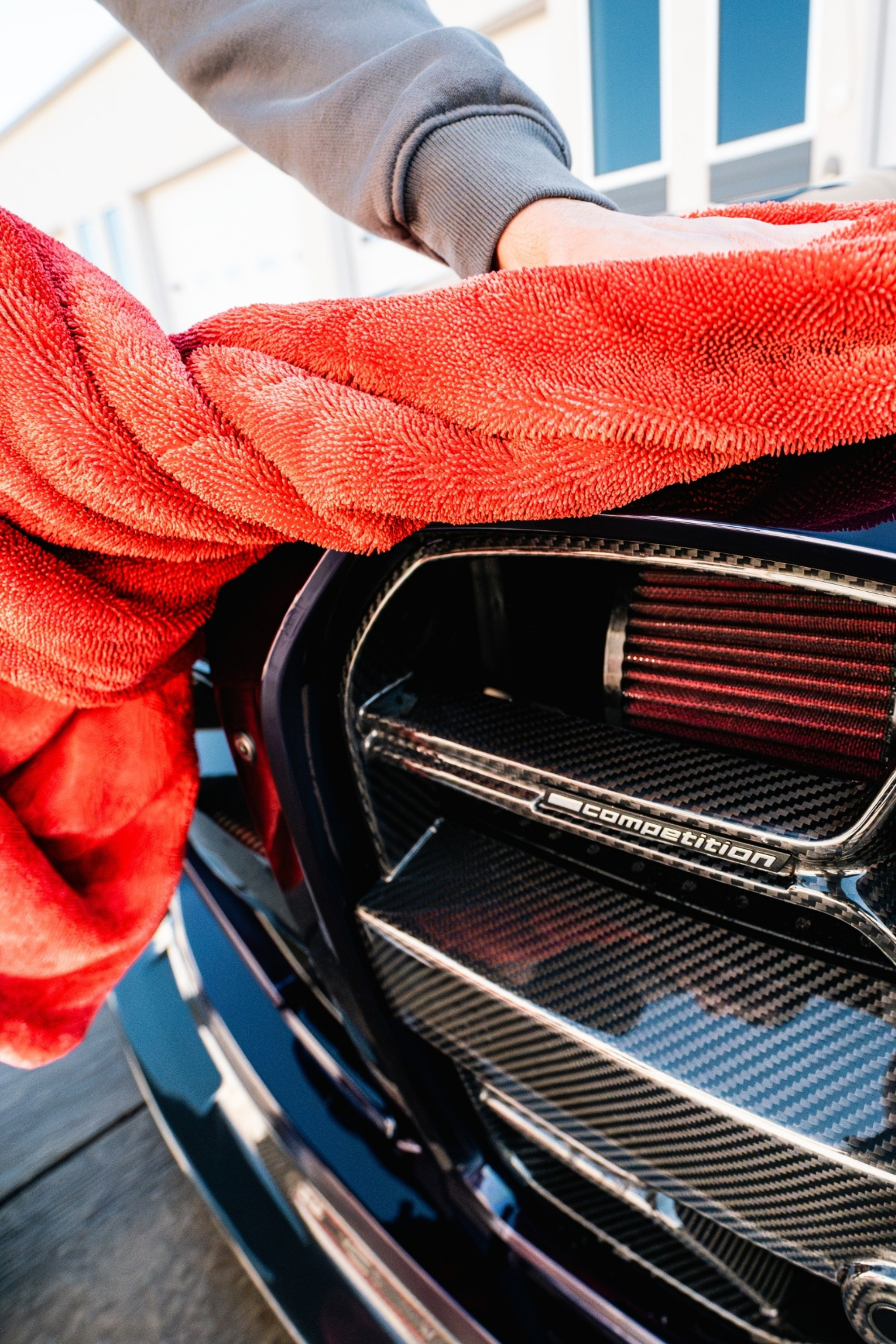
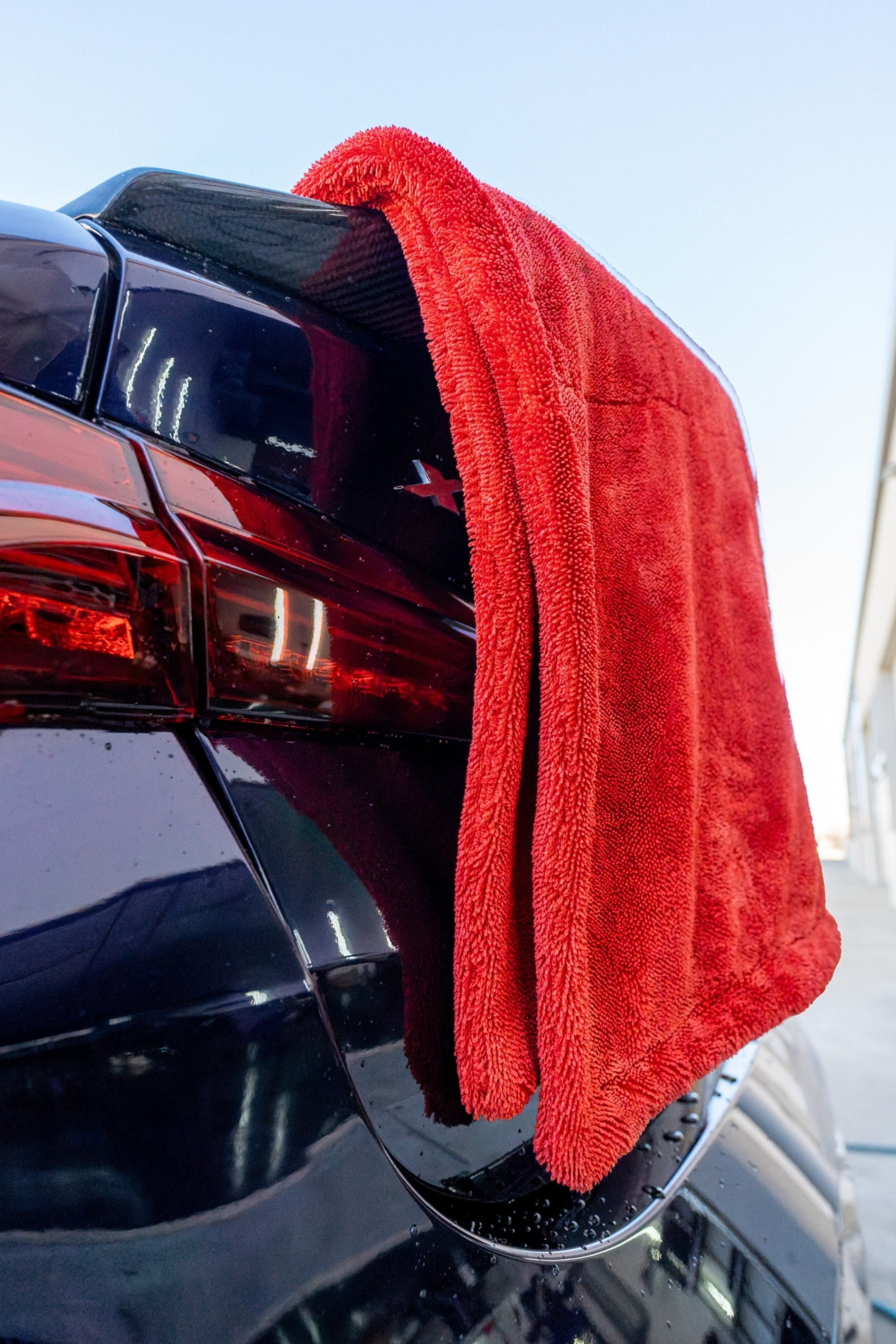
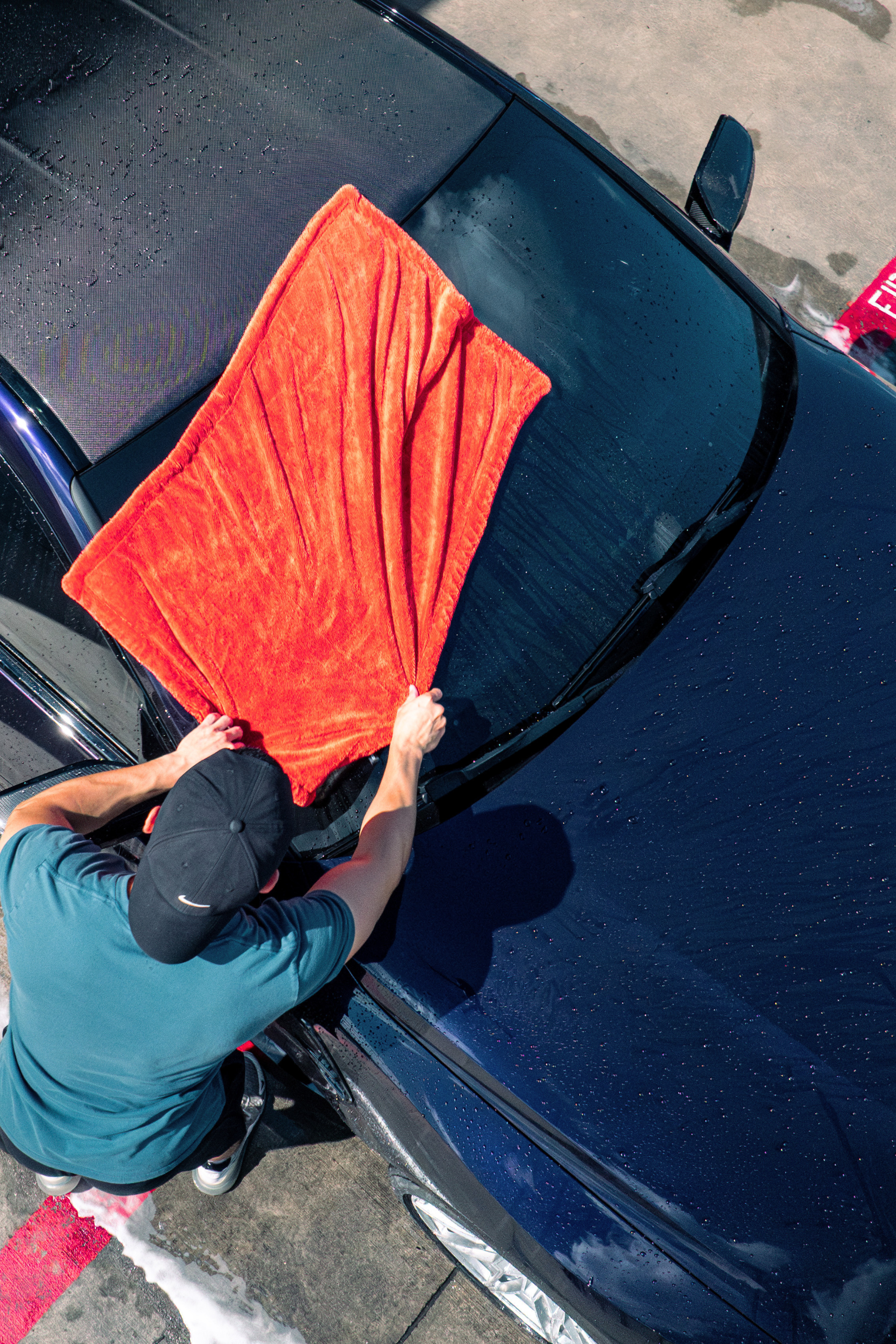
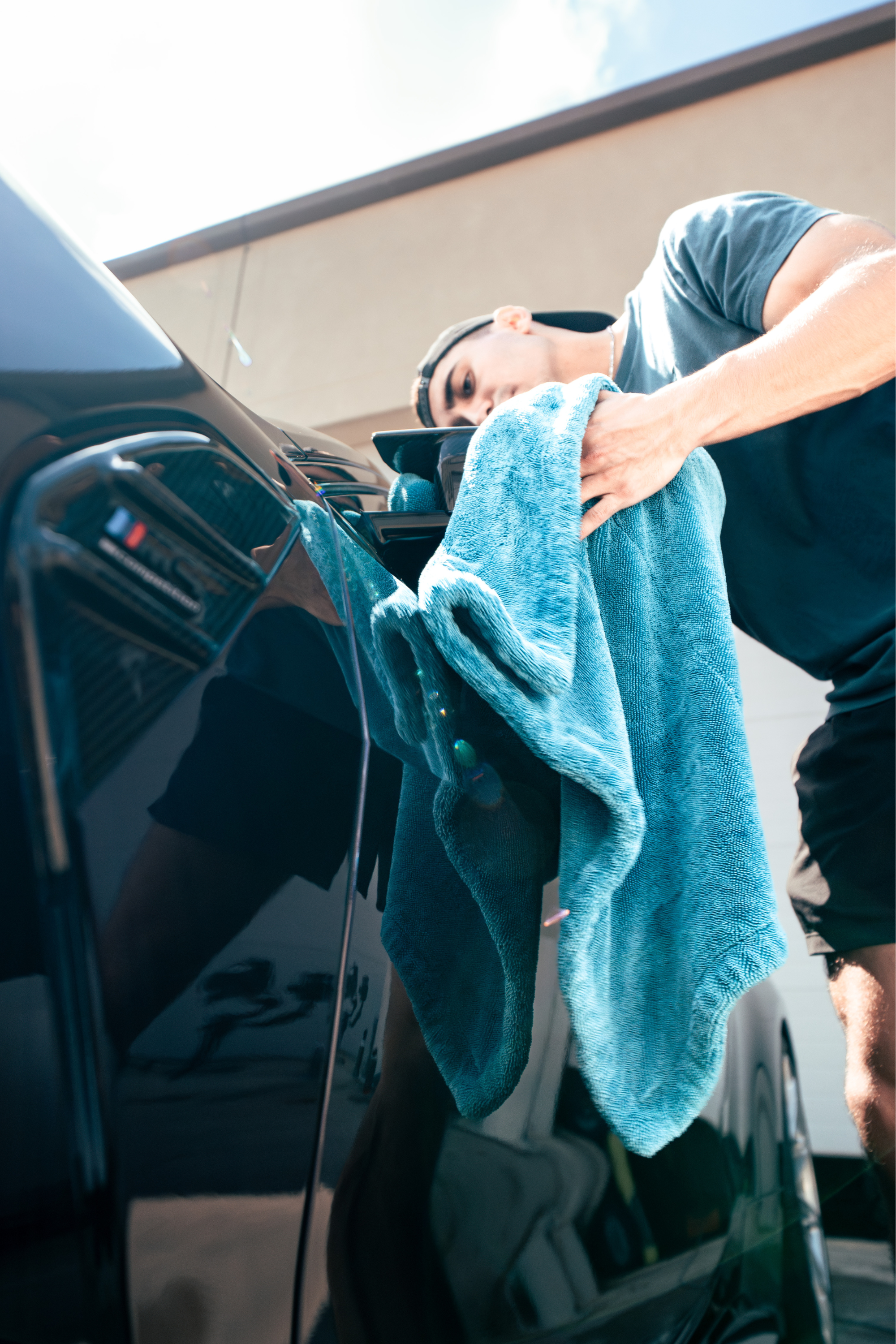
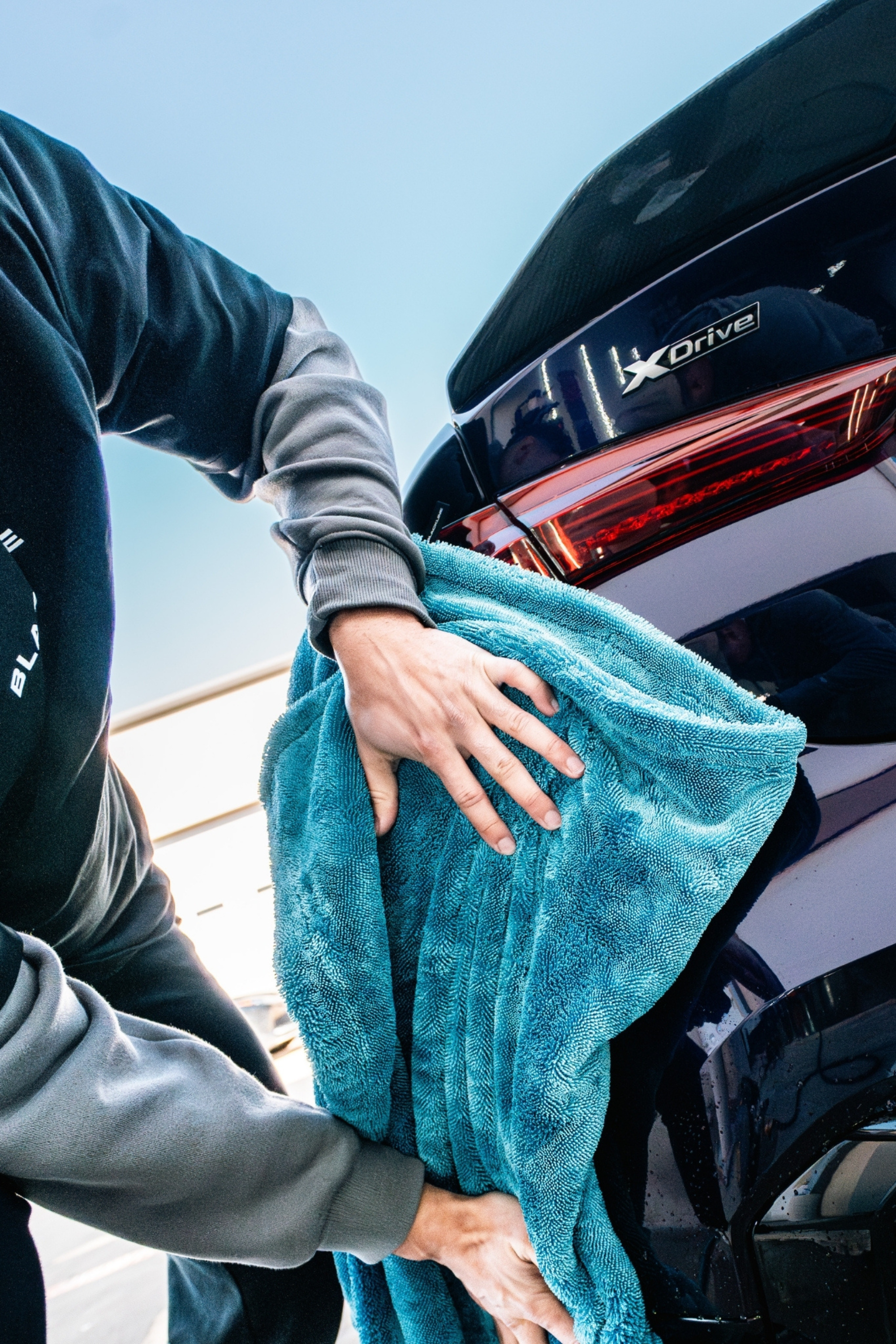
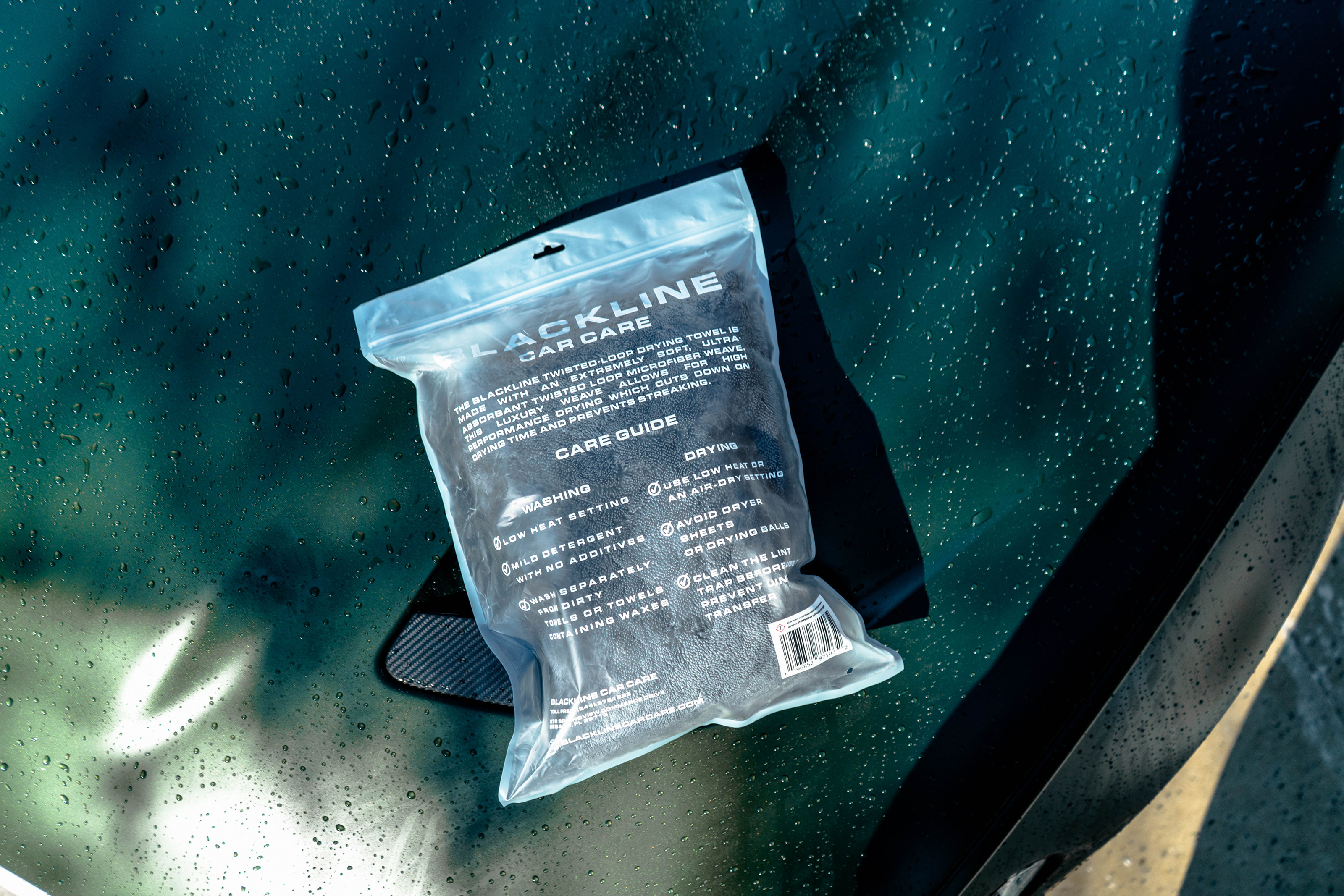
Twisted loop microfiber towels are designed specifically for drying vehicles quickly and safely.
What Makes a Twisted Loop Drying Towel Different?
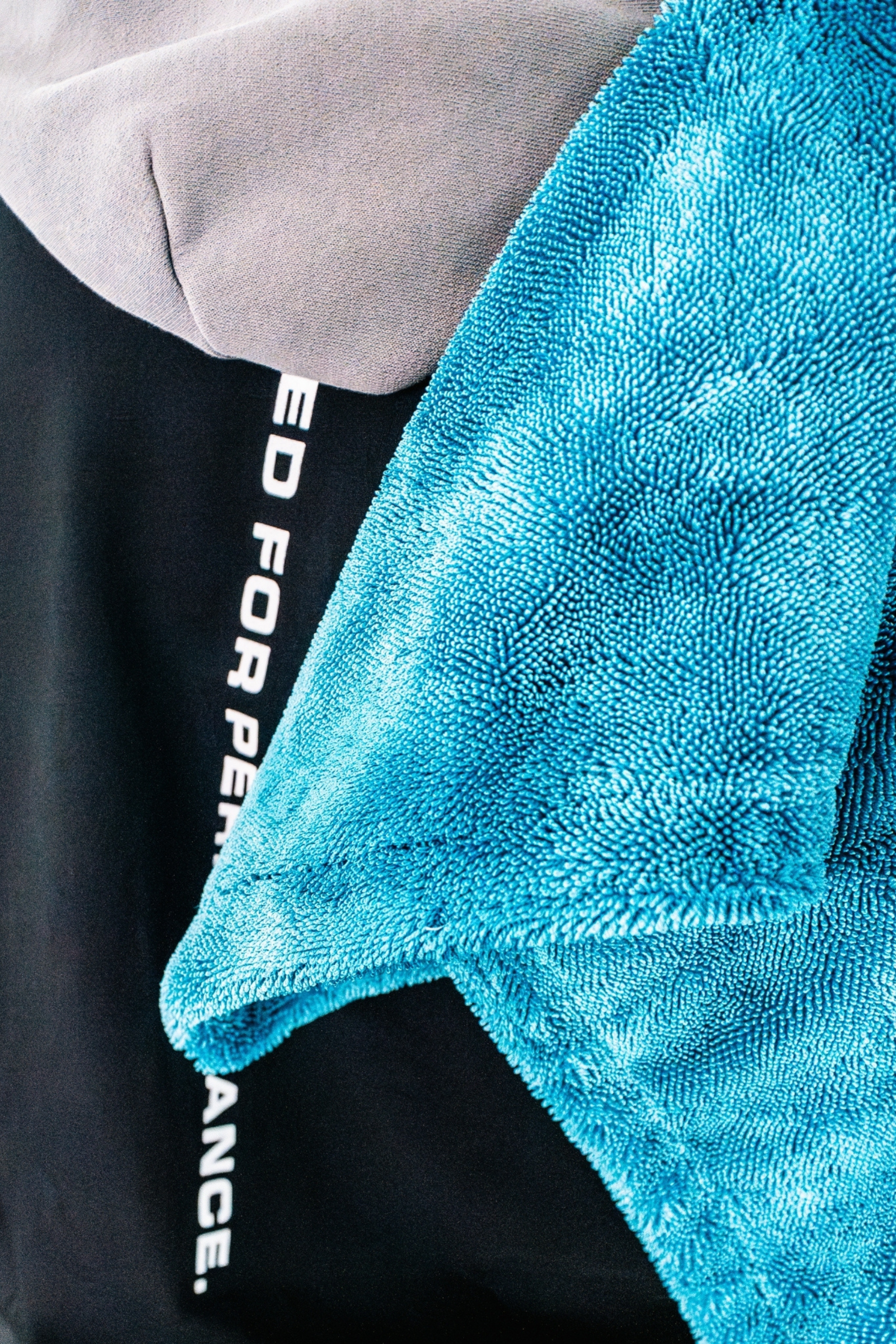
Instead of flat fibers, the microfiber strands are twisted into rope-like loops, which:
- Increase surface area
- Improve capillary action
- Absorb more water with fewer passes
Benefits of Twisted Loop Drying Towels
- Extremely high water absorption
- Faster drying with less effort
- Reduced friction on paint
- Ideal for ceramic-coated and clear-coat finishes
Best Uses for Twisted Loop Microfiber Towels
- Car drying after washing
- Touch-less drying techniques
- High-end detailing work
- Preventing water spots
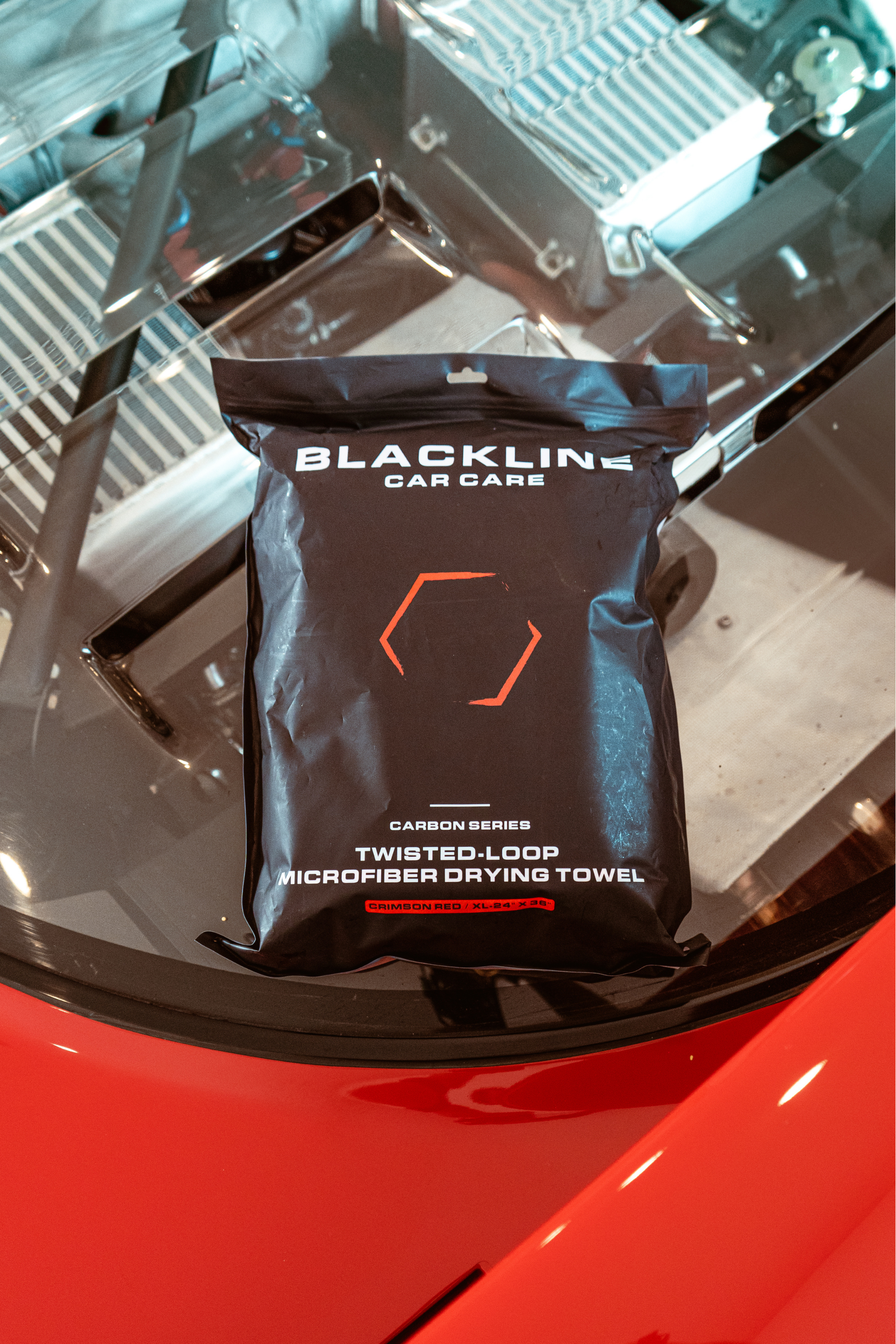
If you’re serious about paint safety, a twisted loop drying towel is one of the best investments you can make. Get one HERE
Plush microfiber towels feature long, fluffy fibers that gently glide across surfaces.
Best Uses
- Final buffing
- Wax and sealant removal
- Quick detail sprays
- Sensitive paint finishes
These towels are forgiving and soft, making them excellent for final touches—but they’re not ideal for heavy water removal.
Waffle weave towels have a grid-like pattern designed to hold moisture.
Best Uses
- Glass drying
- Windows and mirrors
- Light exterior drying
- Streak-free finishes
They’re effective but typically less absorbent than twisted loop drying towels for full vehicle drying.
How to Care for Microfiber Towels (Critical)
Even the best microfiber towels can fail if they’re not cared for properly.
Microfiber Care Tips
- Wash separately from cotton
- Use liquid detergent only
- Avoid fabric softeners
- Wash warm, not hot
- Air dry or tumble dry low heat
Improper washing clogs microfiber pores and ruins absorbency especially important for twisted loop drying towels.
Use a detergent designed for microfibers like our RESTORE Microfiber Detergent
Final Thoughts: Microfiber Isn’t One-Size-Fits-All
Understanding GSM, microfiber towel weaves, and proper use cases makes a massive difference in performance.
If you want:
- Faster drying → Twisted loop microfiber towels
- Scratch-free finishes → High-GSM plush microfiber
- Streak-free glass → Low-pile flat weave
Choose the right tool, and microfiber becomes one of the most powerful accessories in your cleaning or detailing setup.