


Summer is when your car gets driven the most and protected the least, and it is exactly when smart summer car detailing earns its keep. The same conditions that make it the best time to be behind the wheel, long daylight, open roads, road trips, are the exact conditions that quietly tear down a finish. Heat accelerates every chemical reaction. Bugs hit harder when you drive more. The sun never lets up.
None of this is about scaring you into a wash bucket. It is about understanding what is actually happening at the surface so you can stay ahead of it. Here is the real science behind the five biggest summer threats to your car's paint, and how to handle each one the right way.
1Bug Splatter Is a Chemical Clock, Not Just a Mess
Most people treat bug guts as a cosmetic problem. They are a timed chemical one.
Research out of the University of Florida found that fresh love bug remains start out close to neutral, around a pH of 6.5, then turn acidic, dropping to roughly 4.25, within 24 hours as they break down. That shift is what does the damage. The acid begins to eat into the clear coat, and bacterial action makes it worse the longer it sits.
Heat and sunlight make everything faster. University of Florida researchers found that UV from the sun can actually catalyze the etching process with certain bugs. So a windshield and bumper full of splatter, baking in a parking lot in July, is not waiting patiently. It is etching.
What to do
- Get bugs off within 24 hours whenever you can. The fresher they are, the less they have acidified.
- Rinse first with a strong stream of water to cool the panel and float off loose grit before you touch anything.
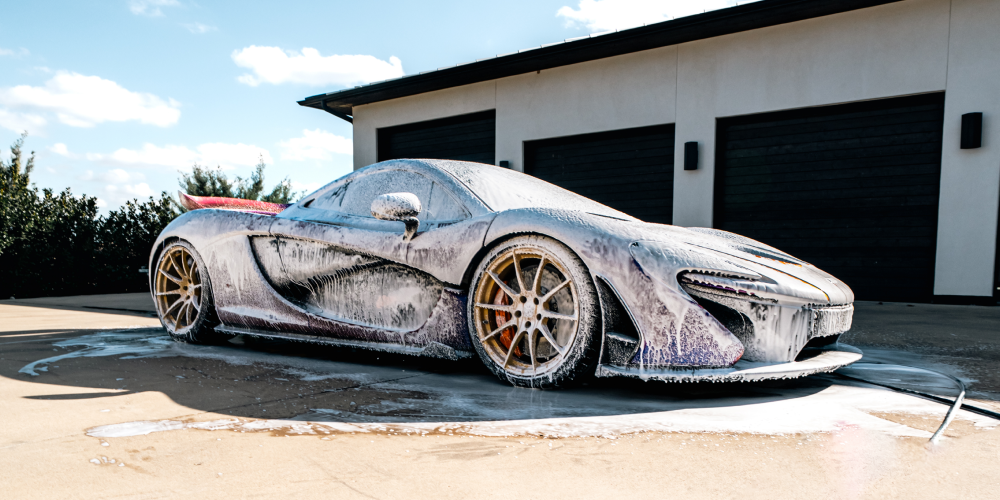
- Soak, do not scrub. Let a dedicated bug remover or a high-foaming car shampoo like Ultra Foam dwell so the residue releases on its own.
- Use a plush microfiber or a soft bug sponge. Dragging dried bugs across paint with a stiff towel is how you trade etching for swirls.
- Keep a layer of protection on the nose of the car. A sealant, ceramic spray, or coating gives bug acids something to land on besides bare clear coat, and it buys you cleanup time.
2Bird Droppings: The Damage Is Worse Than the Acid
Bird droppings are highly acidic. The uric acid in them sits between a pH of about 3 and 4.5, which is corrosive enough to break down clear coat on its own. And the heat amplifies it: a dark dropping absorbs sunlight, heats up faster than the paint around it, and accelerates the reaction underneath.
But here is the part most guides get wrong. Research from Autoglym found that a lot of what we call bird dropping "etching" is not purely chemical. In direct sun, the paint lacquer softens and expands while the dropping dries and hardens on top of it. As the panel cools, especially overnight, the lacquer contracts and molds itself around the rough texture of the hardened deposit. That microscopic molding is what scatters light and leaves the dull, etched-looking ring, even after the dropping is gone.
Two takeaways from that. First, texture matters as much as acidity, which is why grit and seeds in droppings can scratch on top of everything else. Second, this is exactly why summer heat cycling makes the marks so much worse than the same dropping would in cool weather.
What to do
- Remove droppings as fast as possible. Damage can set in within hours on a hot panel, not days.
- Never wipe a dry dropping. The grit in it will scratch. Soften it first.
- Lay a soaked microfiber over the spot for a minute or two, then lift gently. Let the dwell time do the work.
- Keep wax or sealant fresh through bird season. A sacrificial layer gives the acid something to attack before it reaches your paint.
3UV and Heat: The Slow Burn That Fades and Cracks Your Finish
Bugs and birds are the obvious enemies. UV is the patient one.
Your clear coat is thin, often compared to the thickness of a single Post-it note, and it is the only thing standing between the sun and your color. UV radiation breaks down the molecular bonds in both the clear coat and the pigment underneath. As it does, the paint loses its oils and oxidizes, which is the chalky, faded, lifeless look you see on neglected hoods and roofs. Push it far enough and the clear coat goes brittle, then cracks and peels, and at that point there is no polishing it back. It is a repaint.
Darker colors take it the hardest. Black, navy, and deep red absorb more heat, which speeds up the breakdown. Heat also makes the paint layers expand and contract, and that repeated stress is its own path to cracking.
What to do
- Keep a UV-resistant protective layer on the paint at all times. Wax, sealant, and especially ceramic coatings act as a barrier and slow oxidation. Reapply on schedule instead of waiting for the shine to die.
- Wash regularly with a pH-balanced shampoo to pull off the dust, pollen, and pollutants that grind into and dull the clear coat.
- Park in shade or under cover whenever you have the option. Less direct sun is the single biggest lever you have.
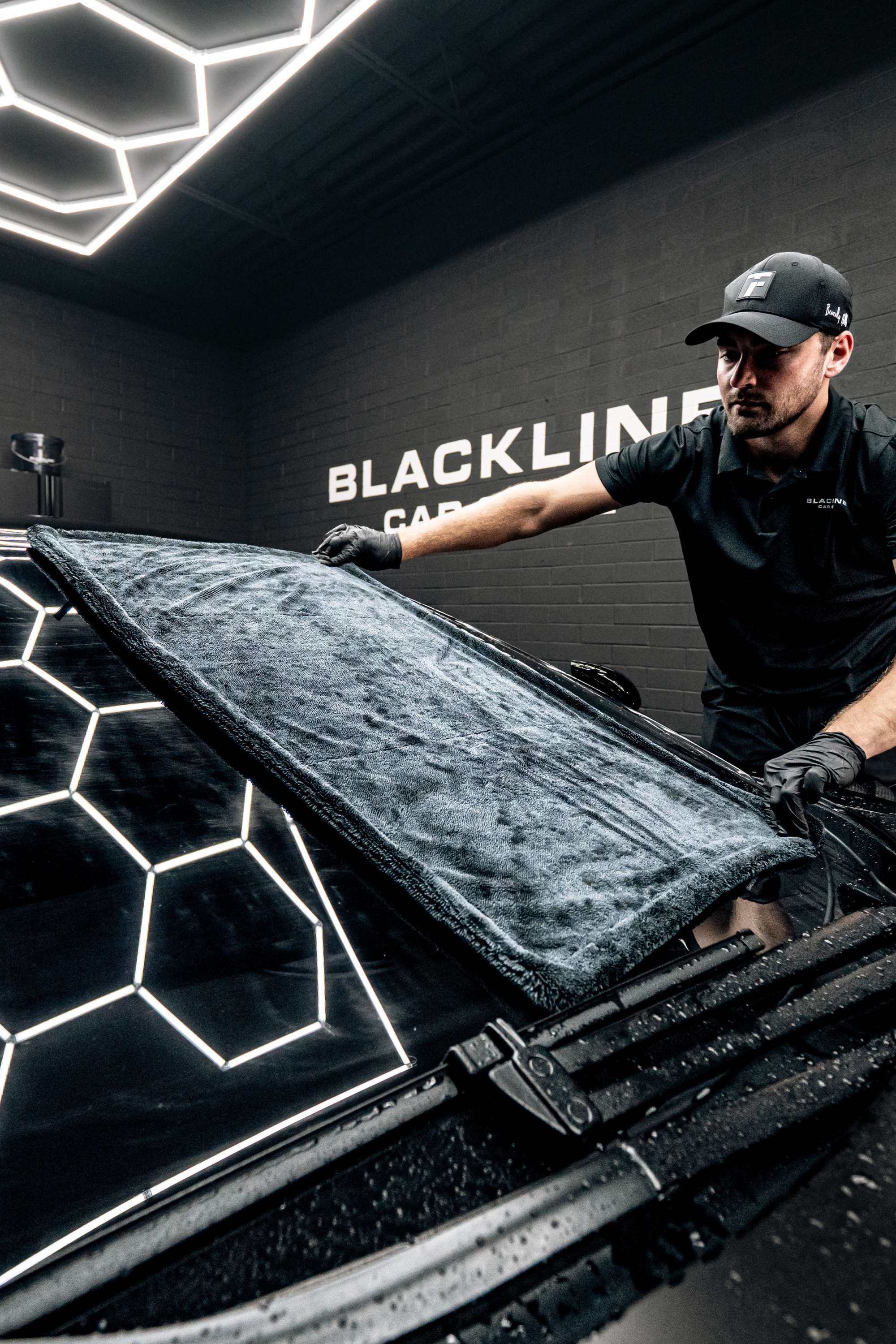
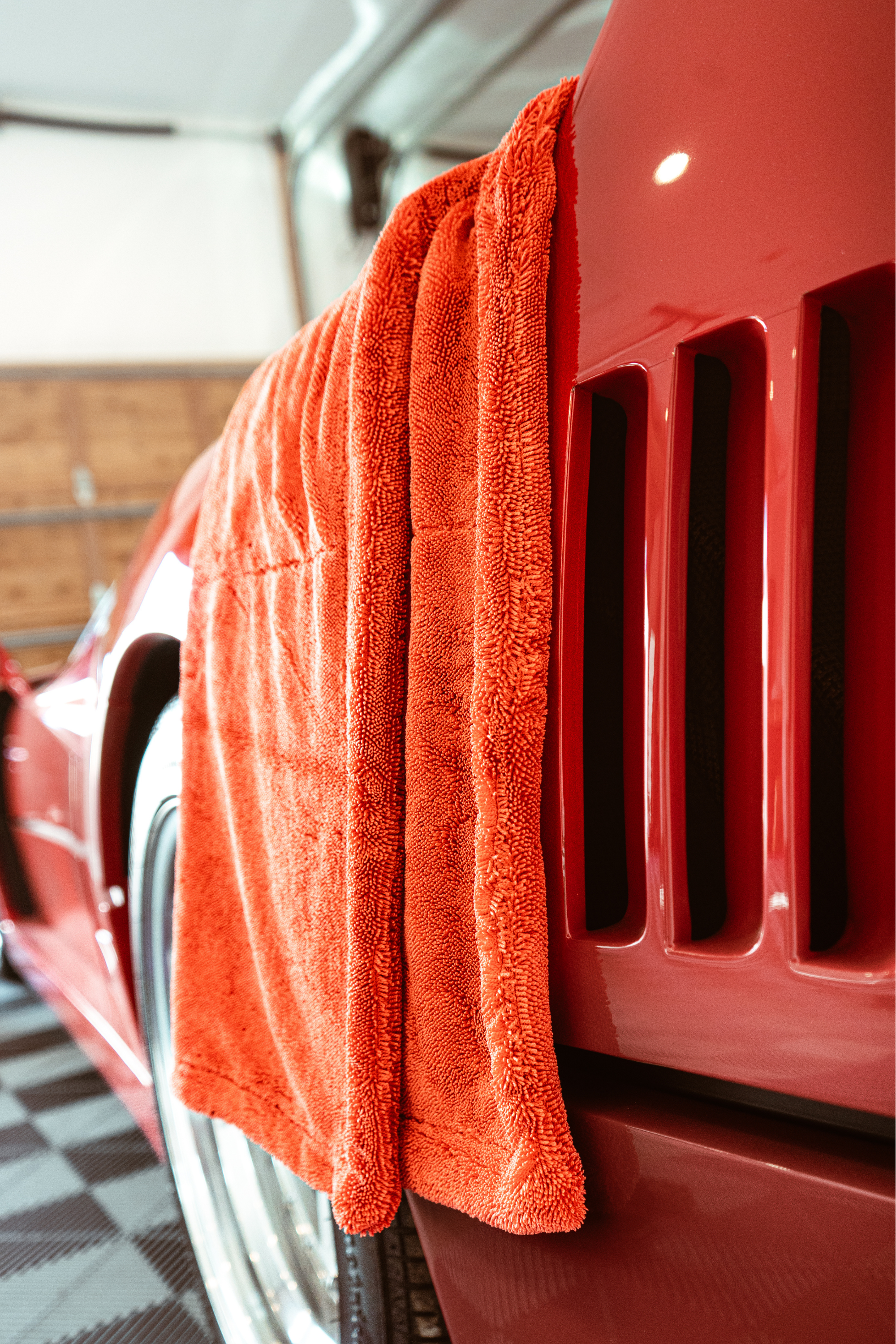
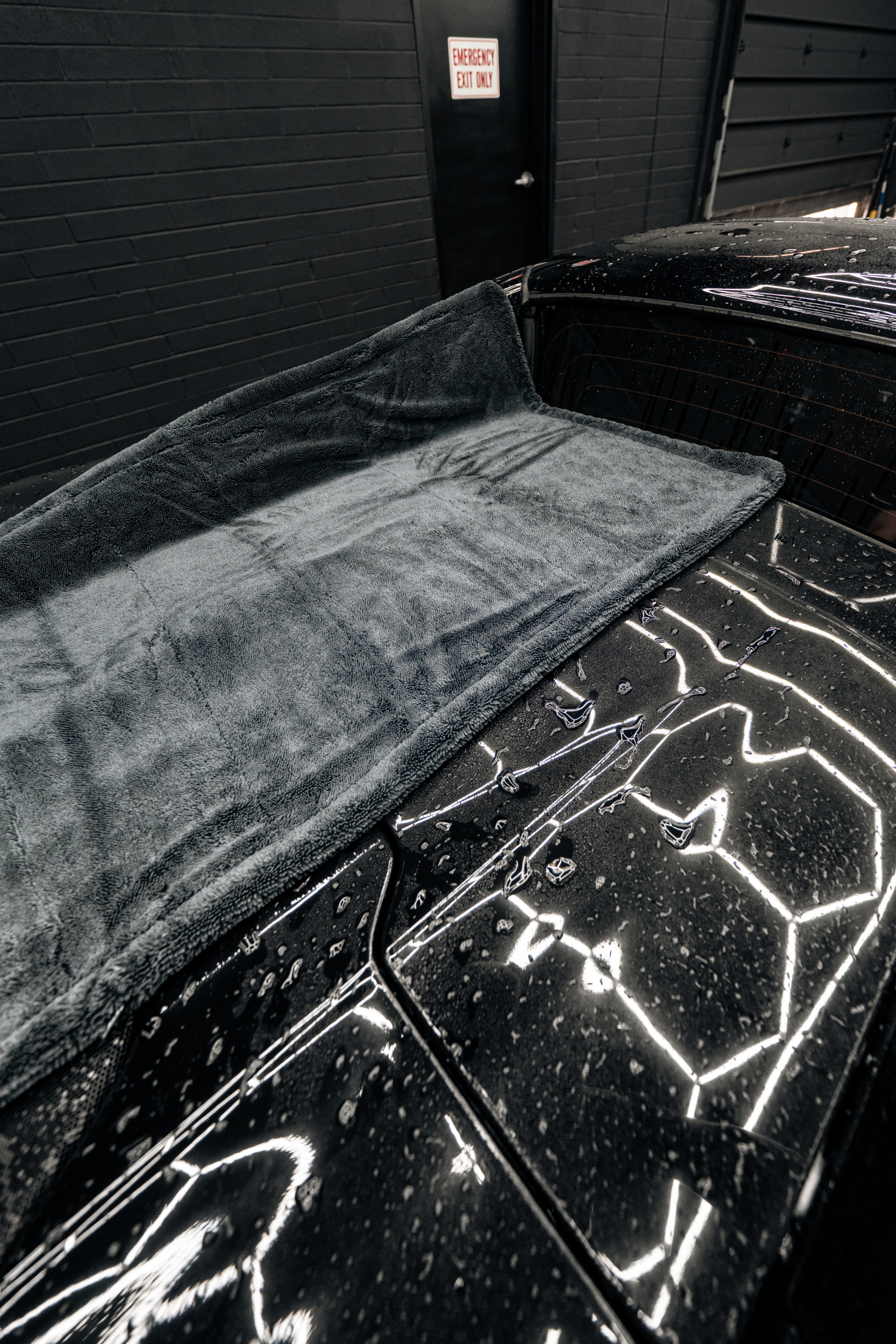
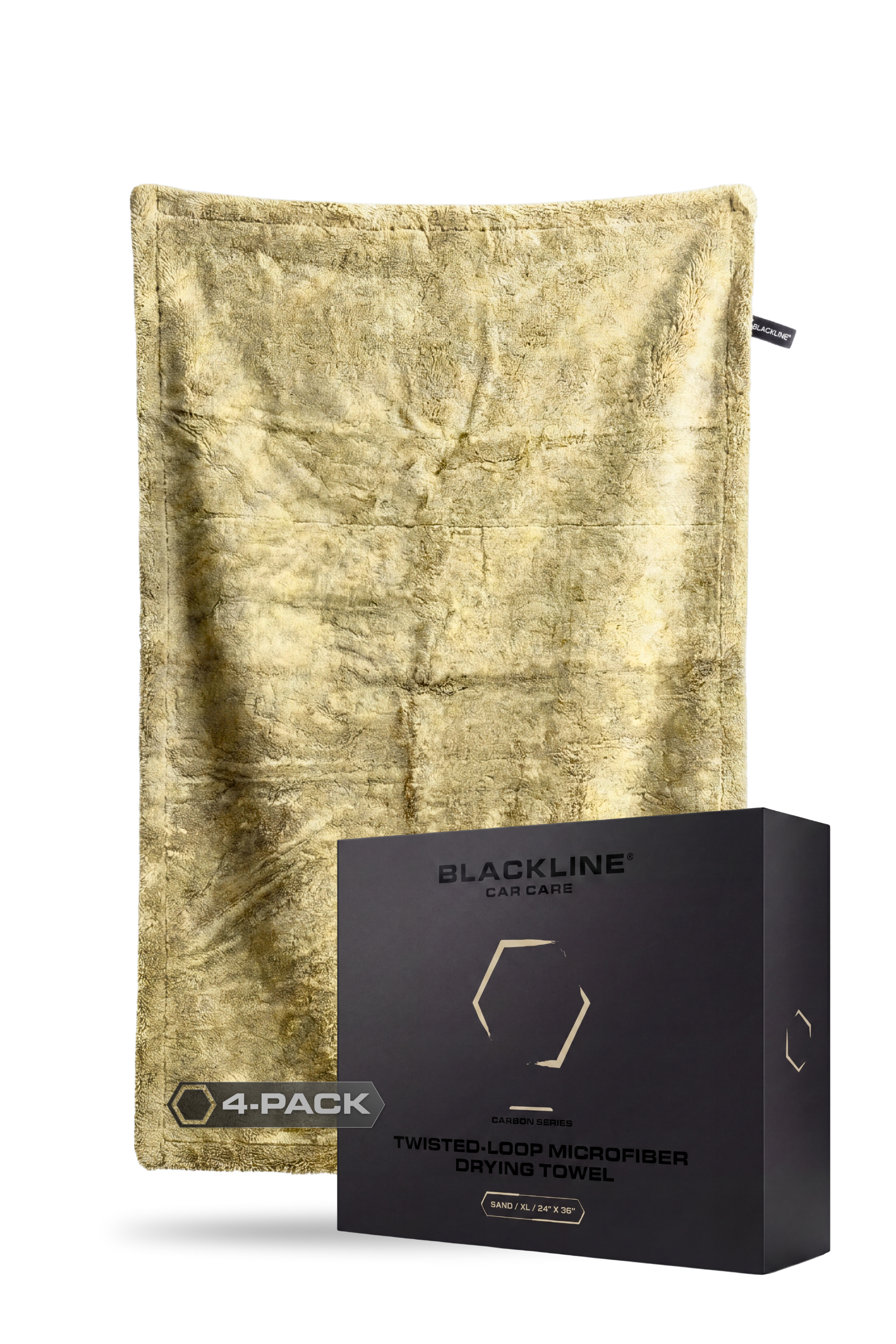
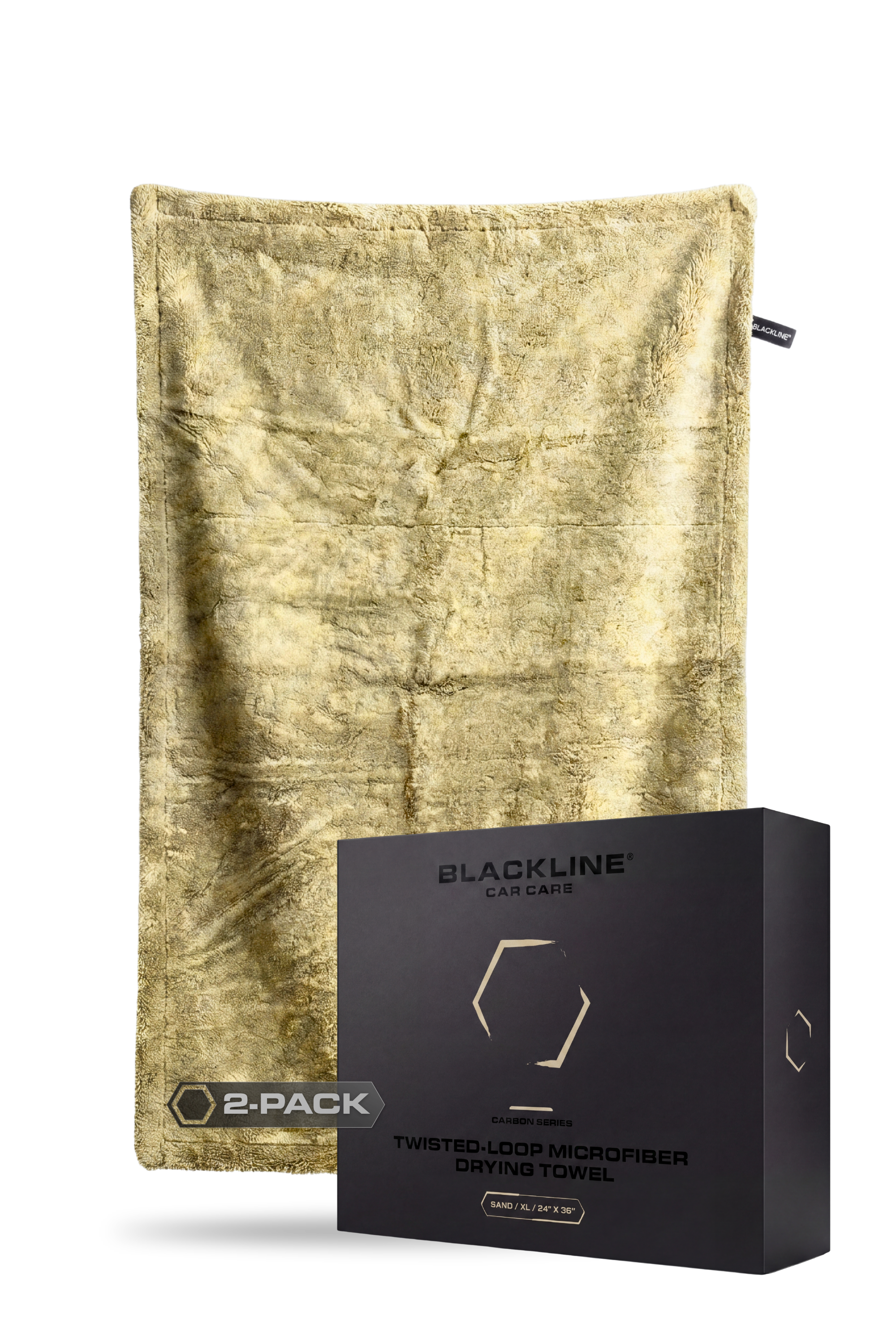
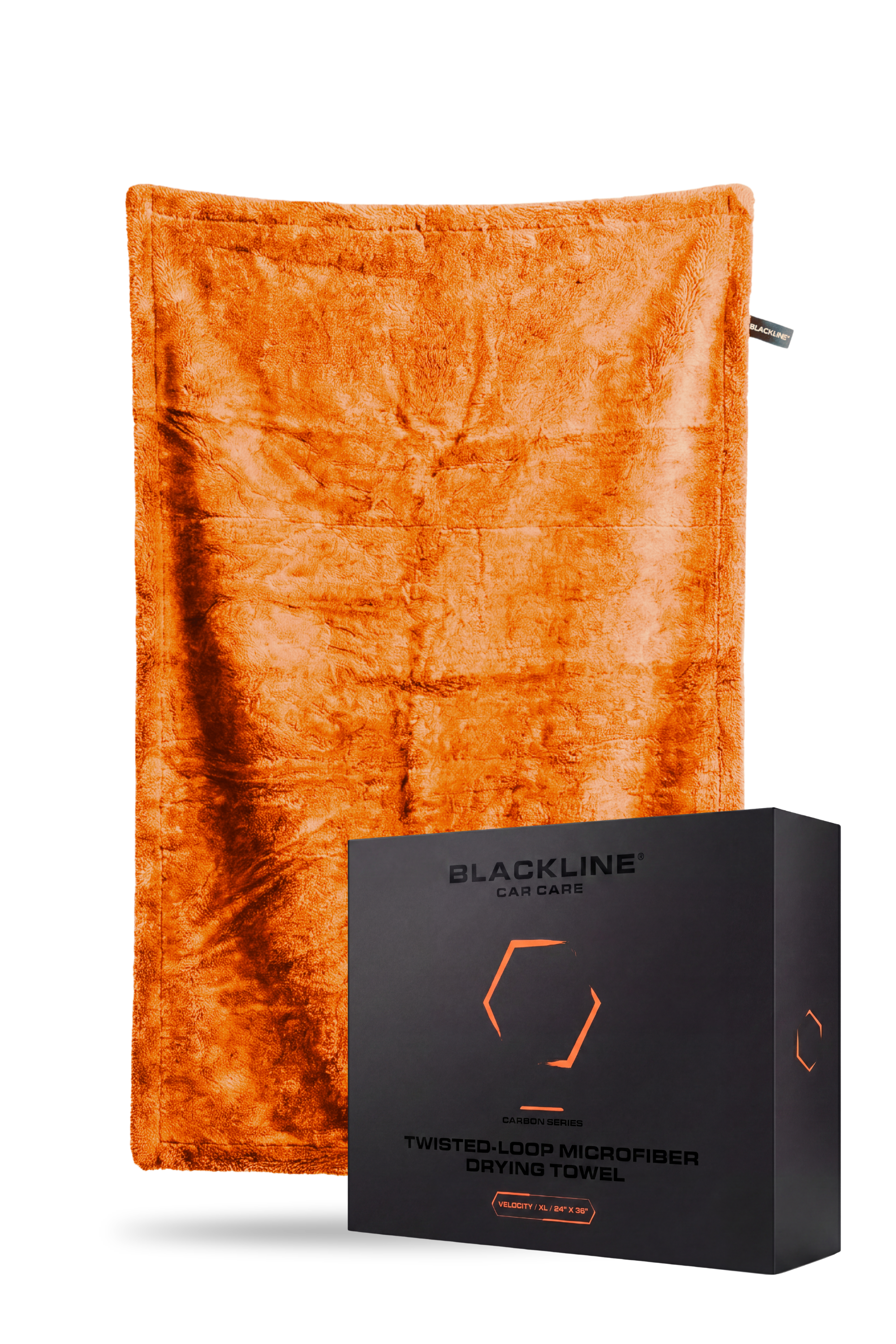
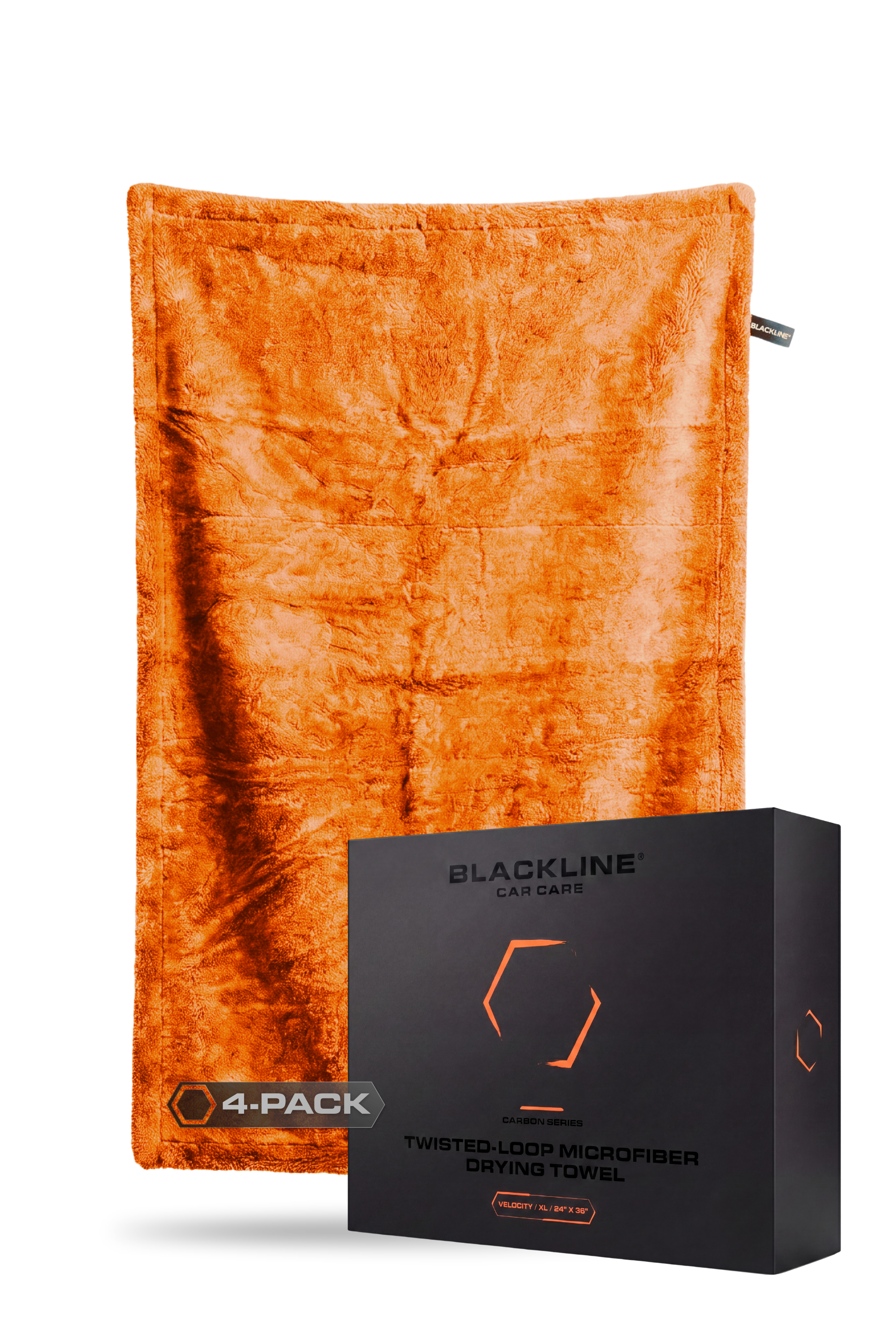
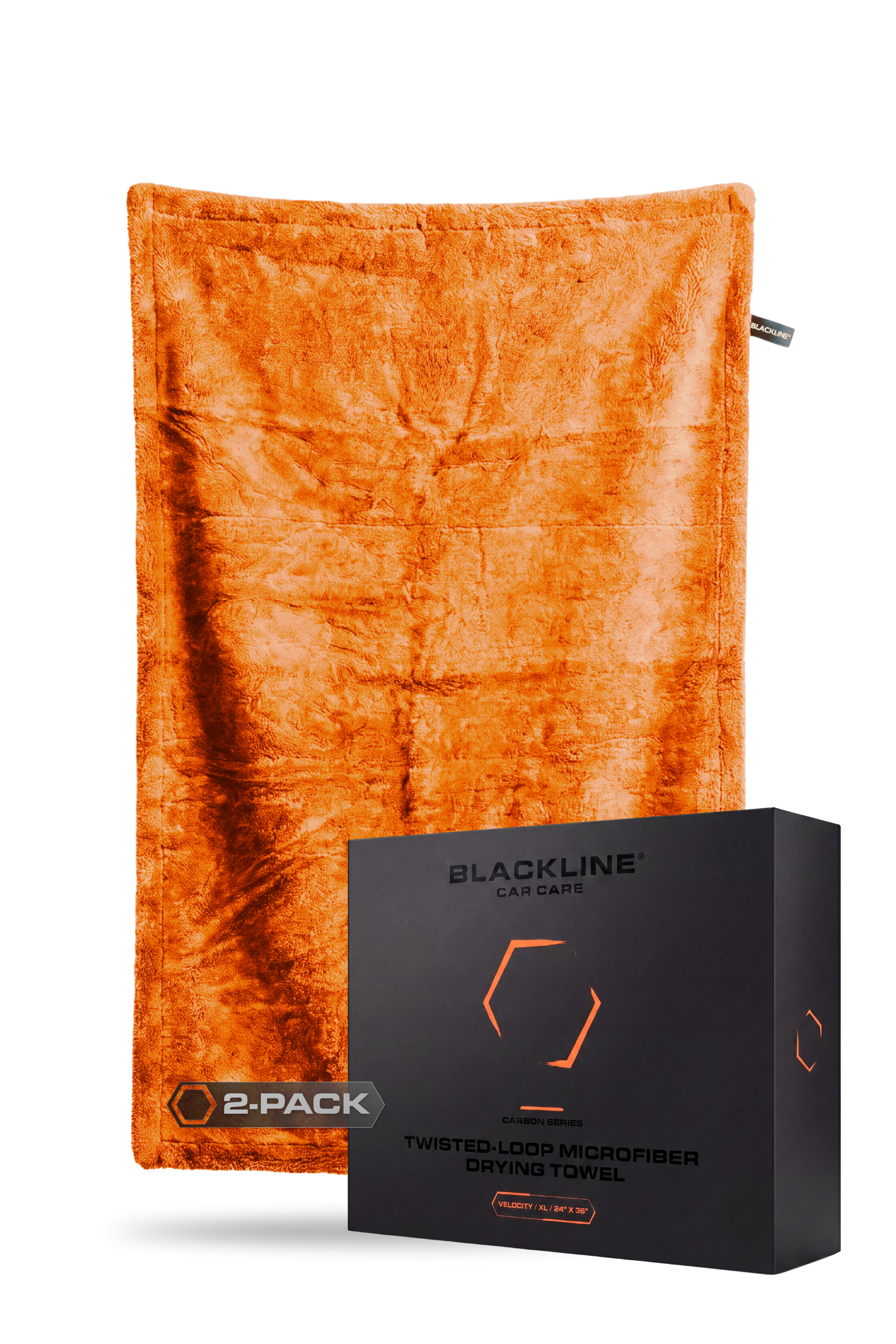
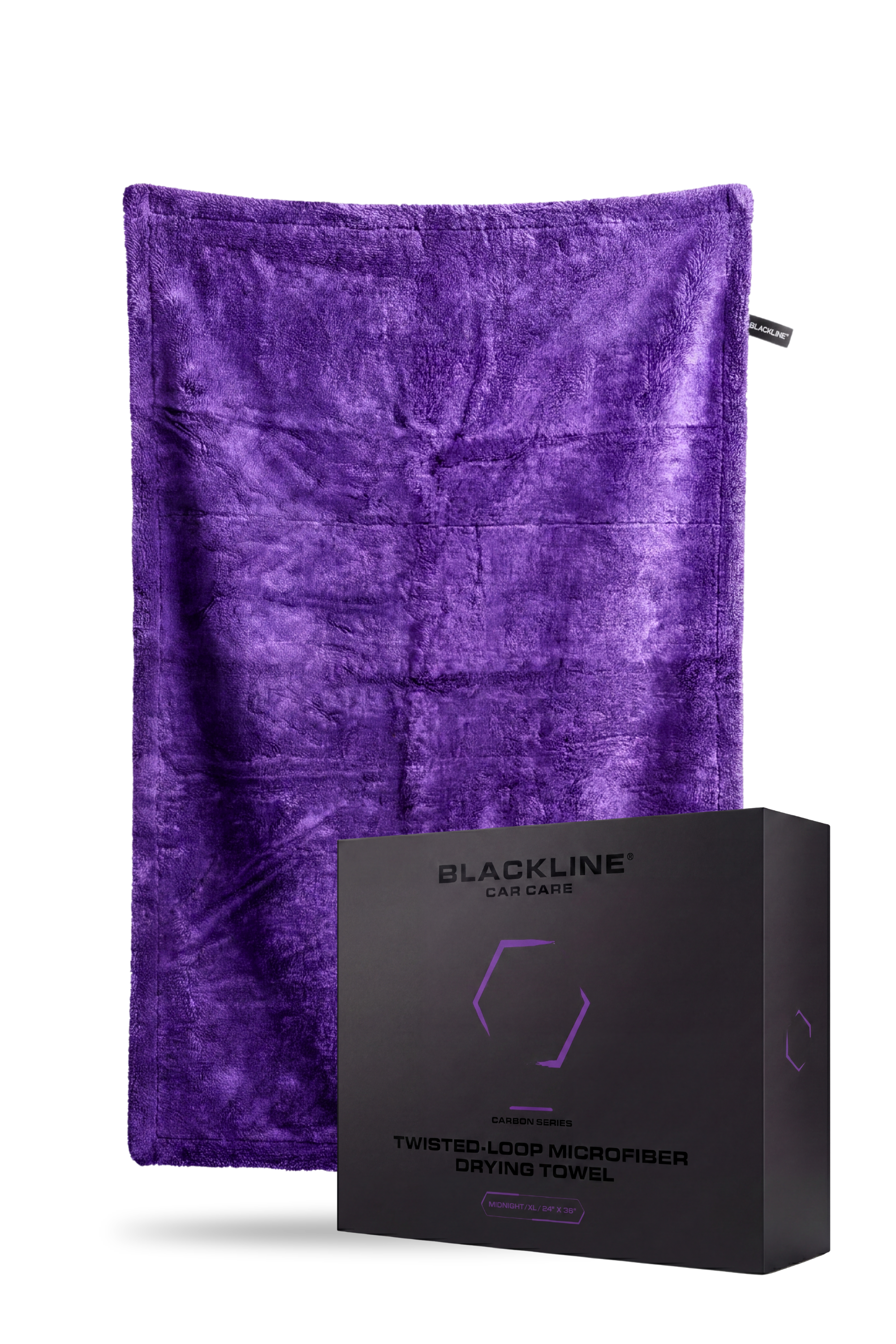
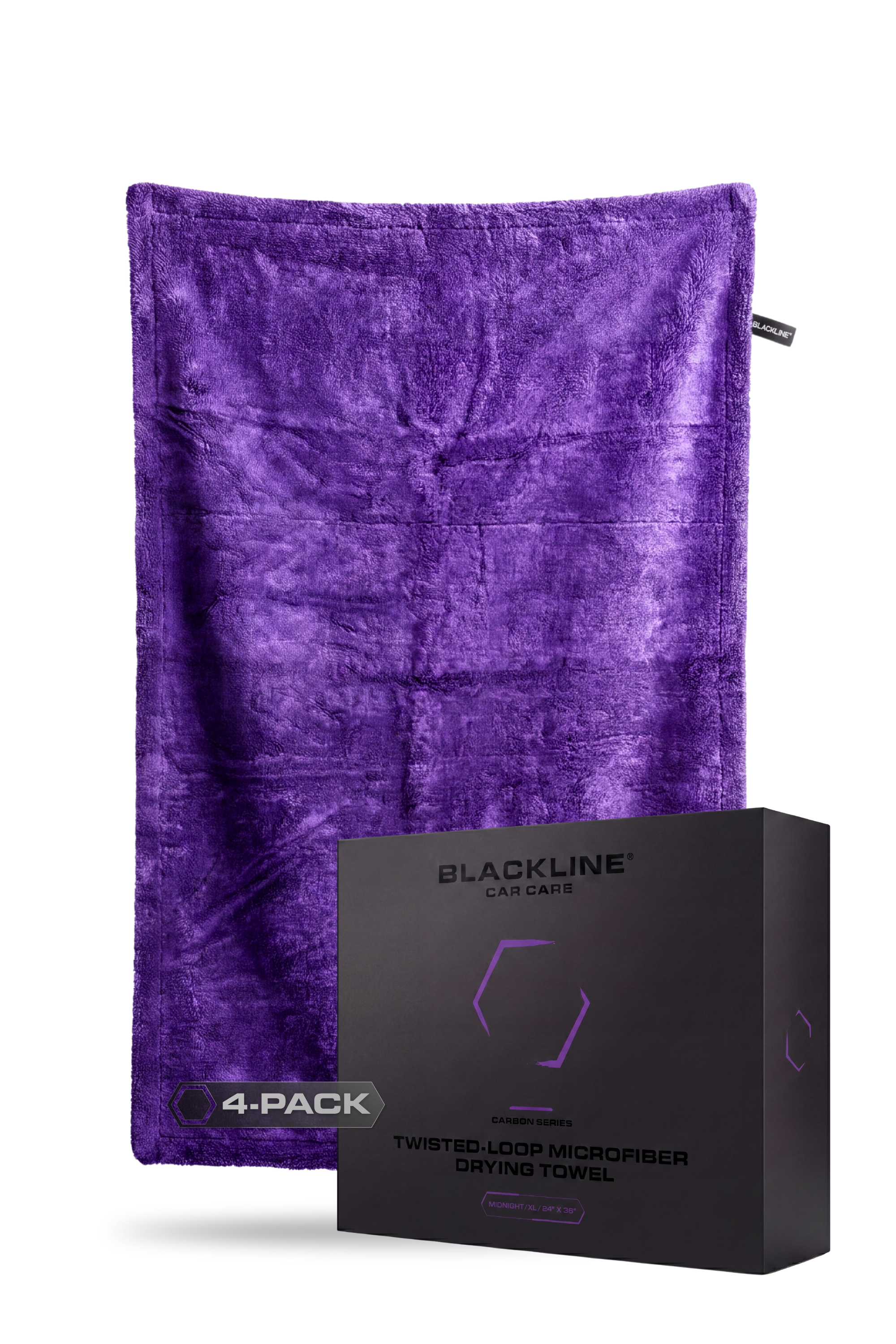
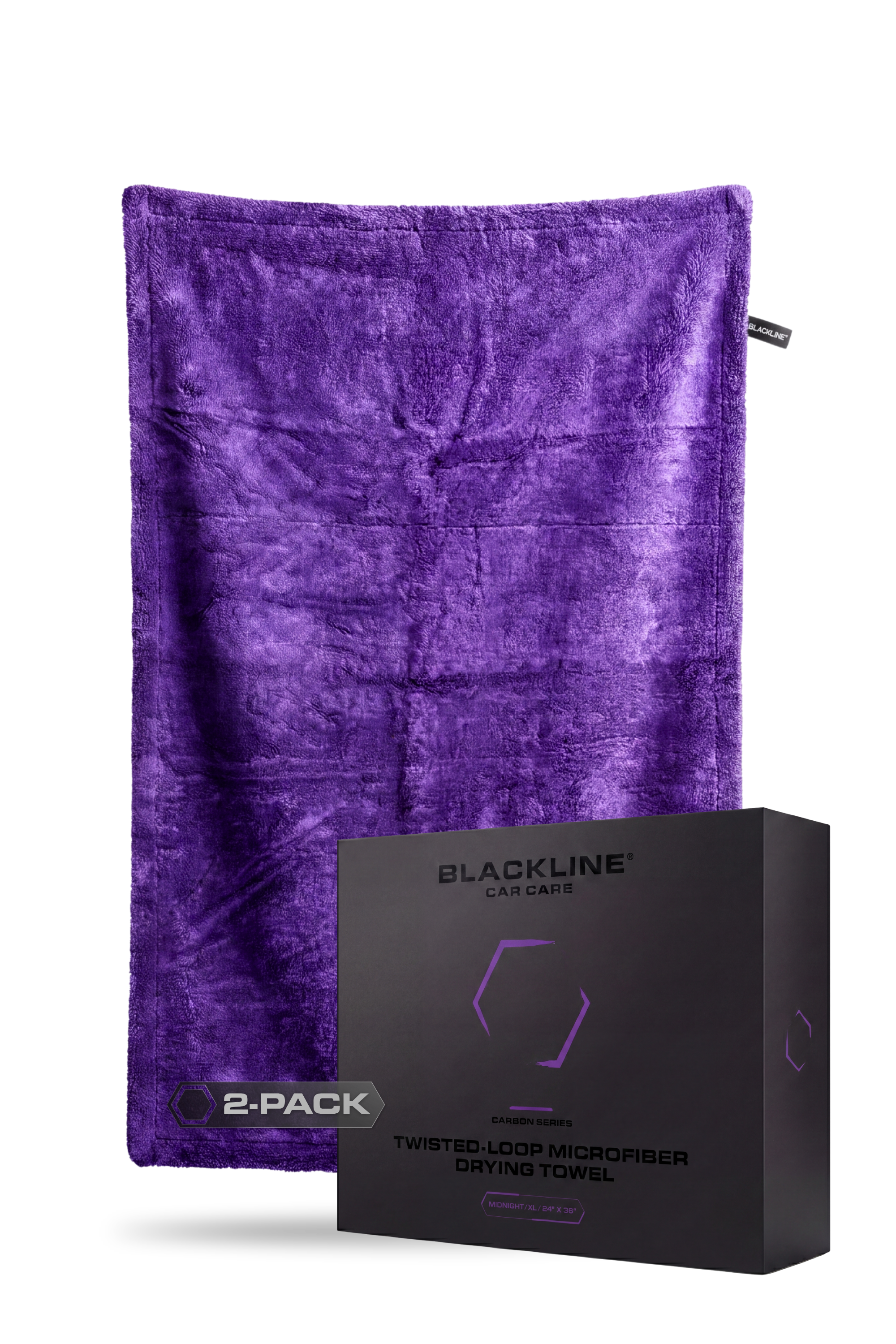
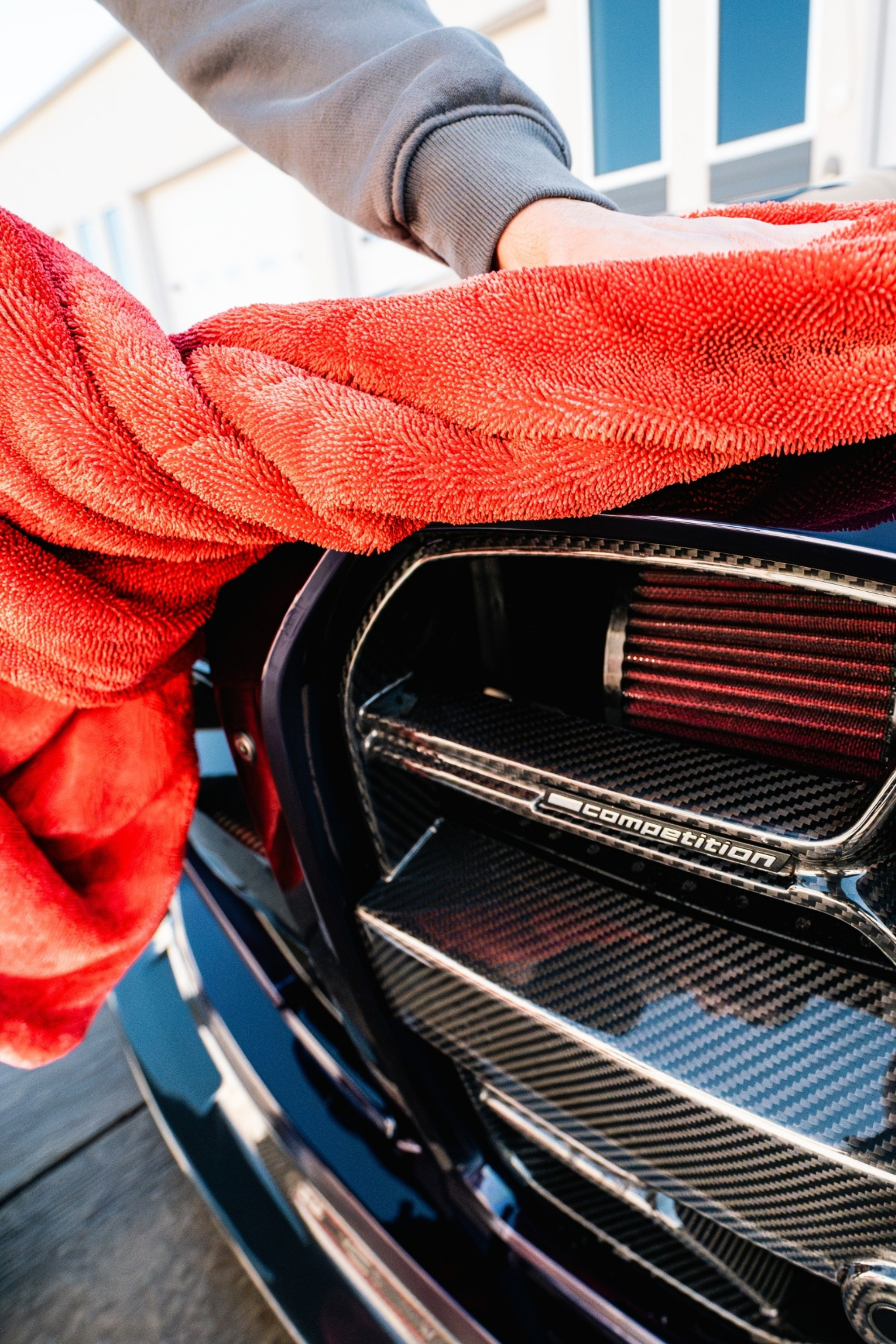
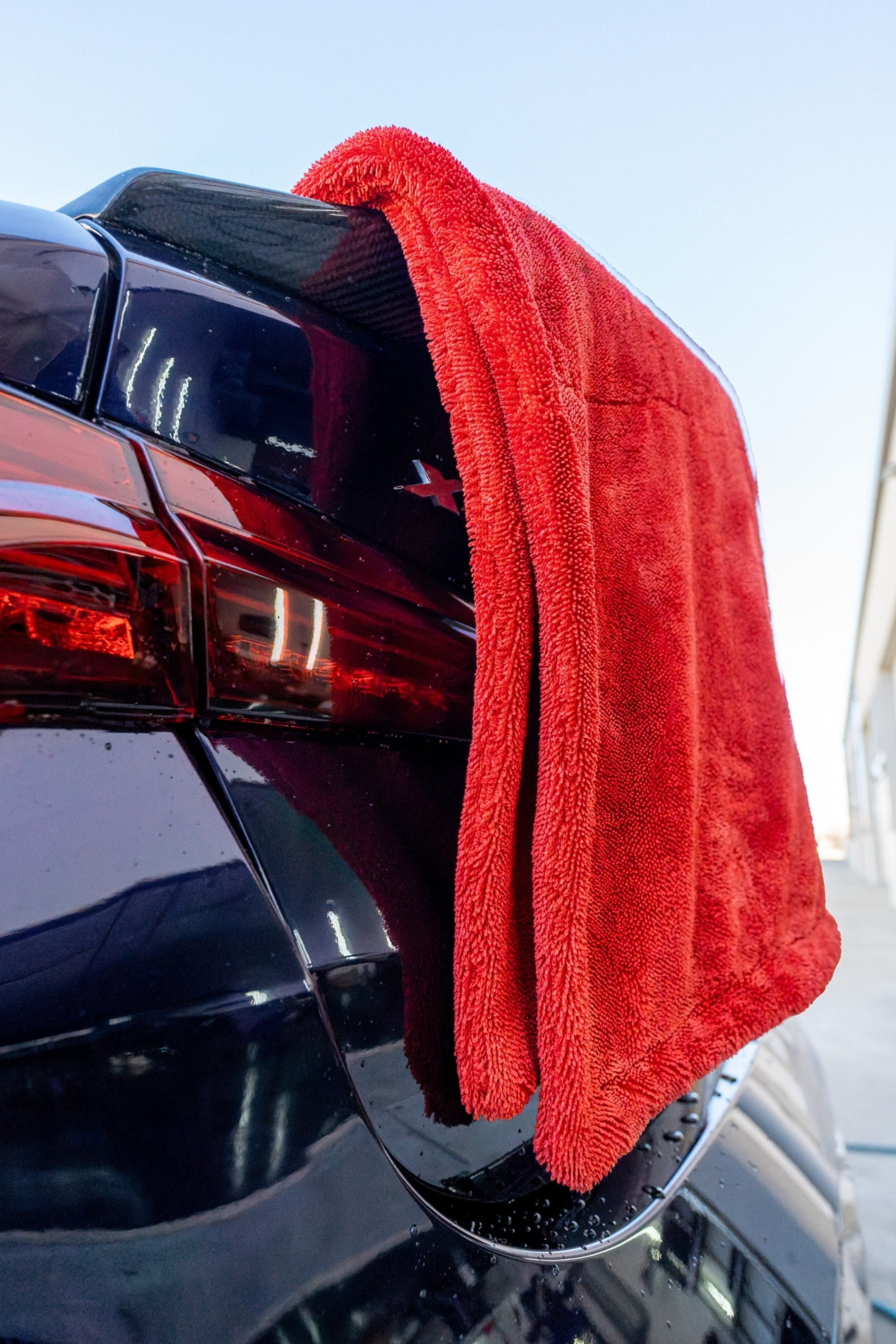
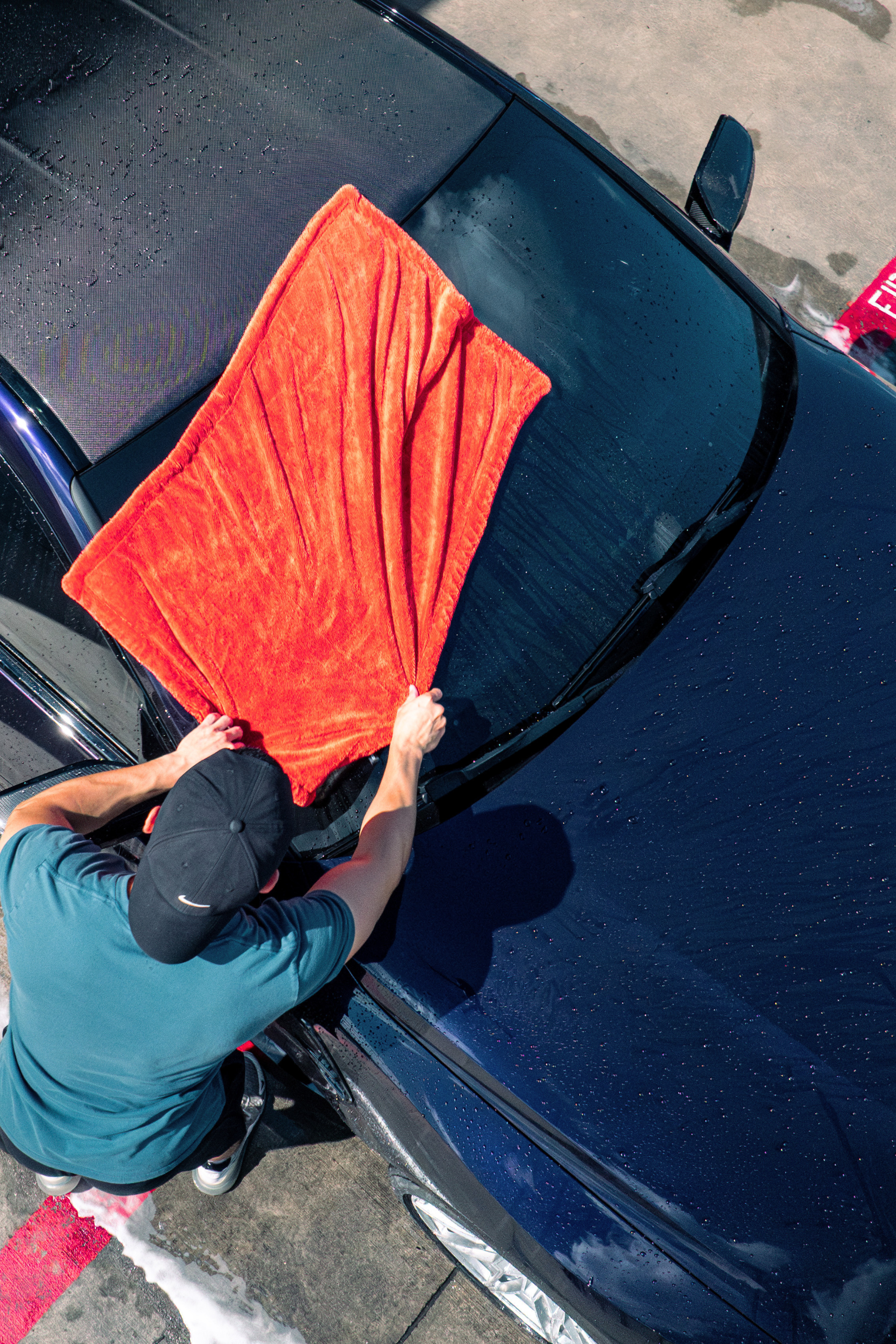
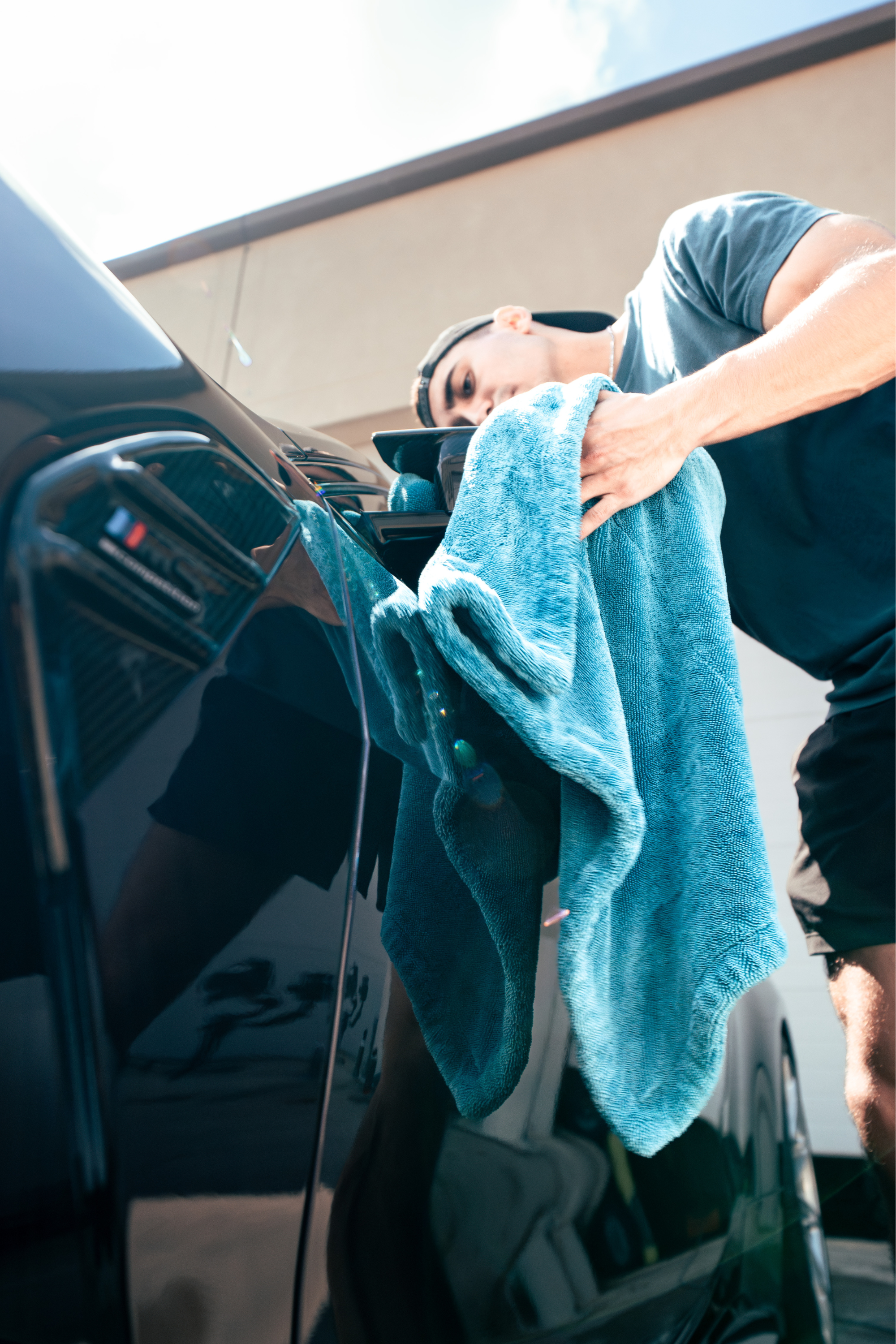
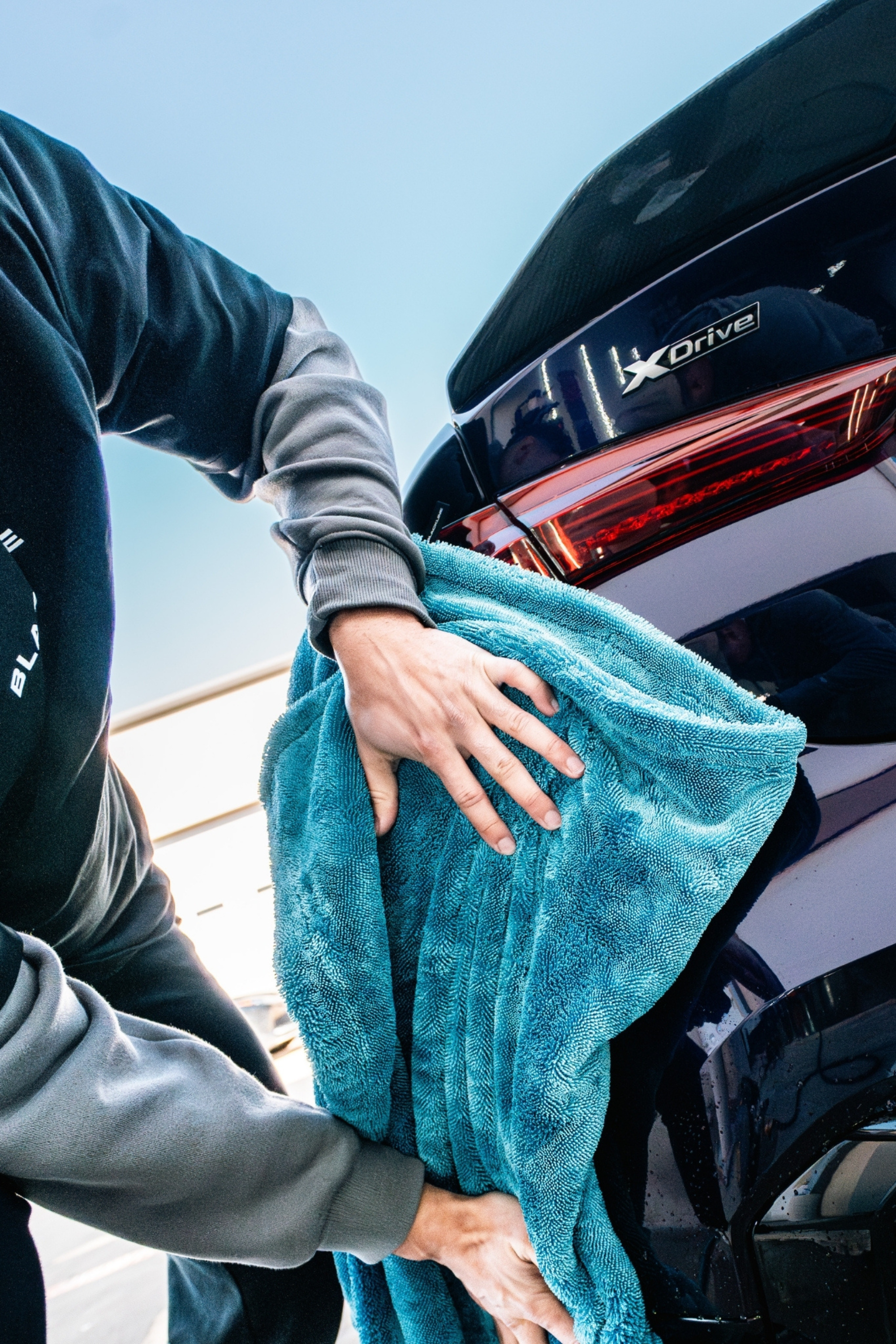
- Dry with a plush microfiber drying towel or a blower instead of rubbing. Oxidized or sun-softened clear coat marks more easily.
4Stop Washing in Direct Sun (You Are Making Water Spots on Purpose)
This is the most common summer mistake, and it is self-inflicted. On a hot panel in direct sun, your rinse water and soap evaporate before you can deal with them. The minerals in the water stay behind as spots, the soap dries into streaks and residue, and the heat makes the surface far more prone to swirl marks while you work. It is why detailers have avoided sun washing for decades and why so many products literally say "do not use in direct sunlight" on the label.
Water spots are not just ugly. Baked-in mineral deposits can etch the clear coat the same way contaminants do, turning a lazy wash into actual damage.
What to do
- Wash early in the morning or in the evening, out of peak sun.
- Work in the shade, or move the car as the sun moves.
- Do one section at a time so soap never has time to dry on the paint.
- Keep panels cool with a light rinse as you go.
- Dry immediately and thoroughly. Misting a drying aid or detail spray like Speed Gloss on the wet panel before you towel it down dramatically cuts water spotting.
5Tree Sap: Sticky Now, Etched Later
Park under a tree once and you can come back to translucent, sticky droplets across the hood and roof. Sap is loaded with sugars, resins, and acids, and it bonds to clear coat as it hardens. In summer heat, that window closes fast. On panels that regularly exceed 150 degrees in the sun, sap can begin etching the clear coat within 24 to 48 hours. In cooler weather you might have a week. In July, you do not.
What to do
- Move the car into shade first. A hot panel bakes the sap on harder and makes it cling.
- Soften, do not scrape. Soak a microfiber with a dedicated sap or tar remover, or 70 to 90 percent isopropyl alcohol, and hold it on the spot for 30 to 60 seconds before wiping.
- Reapply for stubborn spots. Hardened sap often needs two or three passes. Patience beats force every time.
- Skip the harsh household stuff. Acetone and similar solvents can ruin the finish.
- A clay towel with plenty of lubricant safely lifts sap that has not yet etched. If the sap has already marked the clear coat, that becomes a polishing job.
- Reseal the area afterward. A slick, protected surface makes sap far easier to remove next time, and a ceramic layer resists it bonding in the first place.
Don't Forget the Inside
The interior takes a beating in summer that owners rarely connect to the sun. A car parked in direct sunlight can climb past 130 degrees inside, and surfaces like the dashboard sit even hotter. That heat, combined with UV coming straight through the glass, breaks down the chemical bonds in leather, vinyl, and plastic. Leather dries out, stiffens, and cracks. Dashboards fade and go brittle. The constant expand-and-contract of daily heat cycling speeds all of it up.
What to do
- Use a windshield sunshade. It is the cheapest, most effective thing you can do to cut interior heat and direct UV.
- Condition leather and vinyl regularly so they keep their moisture and flexibility instead of drying and splitting.
- Wipe down the dash, wheel, and panels with a dedicated interior cleaner, ideally one with UV protection, so baked-in dust does not accelerate wear.
- Park in shade when you can. Same rule as the paint.
The Summer Car Detailing Routine That Actually Holds Up
If you take nothing else from this, take the pattern. Every summer threat follows the same logic, and so does the defense:
- 1Wash more often, not less. Bugs, sap, droppings, pollen, and dust all do their damage by sitting. Frequent, gentle washing, ideally with a Foam Cannon Pro and a soft Wash Mitt, is the cheapest paint protection there is.
- 2Wash cool and in the shade. Time it for morning or evening, work in sections, dry right away.
- 3Soften before you touch. Every contaminant on this list gets removed by dwell time and dwell time alone. Scrubbing dry residue is how good paint gets ruined.
- 4Keep a protective layer fresh. Wax, sealant, or ceramic. It blocks UV, slows oxidation, gives acids a sacrificial barrier, and makes everything easier to clean off.
- 5Protect the interior too. Shade, conditioning, and UV-aware cleaning keep the cabin from aging years in a single summer.
Do that, and summer stops being the season that quietly wears your car down. It becomes the season you actually enjoy it.
Summer Detailing FAQ
How long can bird droppings sit on car paint before causing damage?
On a hot panel in summer, damage can begin within hours, not days, because heat accelerates the reaction. Remove droppings as soon as you spot them, and never wipe a dry dropping, since the grit in it can scratch. Soften it first with a soaked microfiber.
Can I wash my car in direct sunlight?
It is best avoided. On a hot panel, rinse water and soap evaporate before you can deal with them, leaving water spots, streaks, and a higher risk of swirl marks. Wash early or late, work in the shade one section at a time, and dry immediately.
How quickly do I need to remove love bugs from my car?
Within 24 hours when possible. Fresh love bug remains start near neutral, around a pH of 6.5, then turn acidic, dropping to about 4.25 within 24 hours, and the acid etches the clear coat. Rinse to cool the panel, then soak and lift rather than scrub.
Does tree sap damage car paint?
Yes. Sap contains sugars, resins, and acids that bond to clear coat as they harden. On panels that exceed 150 degrees in the sun, sap can begin etching within 24 to 48 hours. Move the car to shade, soften the sap with a dedicated remover or isopropyl alcohol, then lift gently.
How hot does a car interior get in summer?
A car parked in direct sunlight can climb past 130 degrees inside, with surfaces like the dashboard hotter still. That heat plus UV through the glass breaks down leather, vinyl, and plastic, causing fading and cracking. A windshield sunshade and regular conditioning are the simplest defenses.
Sources
- University of Florida, Institute of Food and Agricultural Sciences, "Living with Lovebugs" research, cited via CarCapsule and Auto Geek Online: love bug pH shift from 6.5 to 4.25 within 24 hours and bacterial acidification. carcapsule.com and autogeekonline.net
- DuraSlic, on University of Florida at Gainesville findings that UV catalyzes bug etching. duraslic.com
- Bliss Car Wash and Island Detail and Color, on bird dropping uric acid pH of 3 to 4.5 and heat acceleration. blisscarwash.com and islanddetailandcolor.com
- Autoglym research on thermal molding as the mechanism behind bird dropping "etching." autoglym.com
- Chemical Guys and Maaco, on UV breaking molecular bonds, oxidation, clear coat failure, and darker colors fading faster. chemicalguys.com and maaco.com
- Cool Auto Detail, on clear coat thickness compared to a Post-it note. coolautoinc.com
- Glass.com, Chemical Guys, and Stoner Car Care, on why washing in direct sun causes water spots, streaking, and swirls. glass.com, chemicalguys.com, and stonercarcare.com
- Fresh Layer Mobile Detailing and Detail King, on tree sap composition and the 24 to 48 hour etching window on panels exceeding 150 degrees. fresh-layer.com and blog.detailking.com
- Halfords and Chemical Guys, on safe sap removal technique and avoiding harsh solvents. blog.halfords.com and chemicalguys.com
- Clean Freak Car Wash, CARXV, and Seat Cover Solutions, on interior temperatures above 130 degrees, UV breakdown of leather, vinyl, and plastic, and heat cycling. cleanfreakcarwash.com, carxv.com, and seatcoversolutions.com




Leave a comment
This site is protected by hCaptcha and the hCaptcha Privacy Policy and Terms of Service apply.