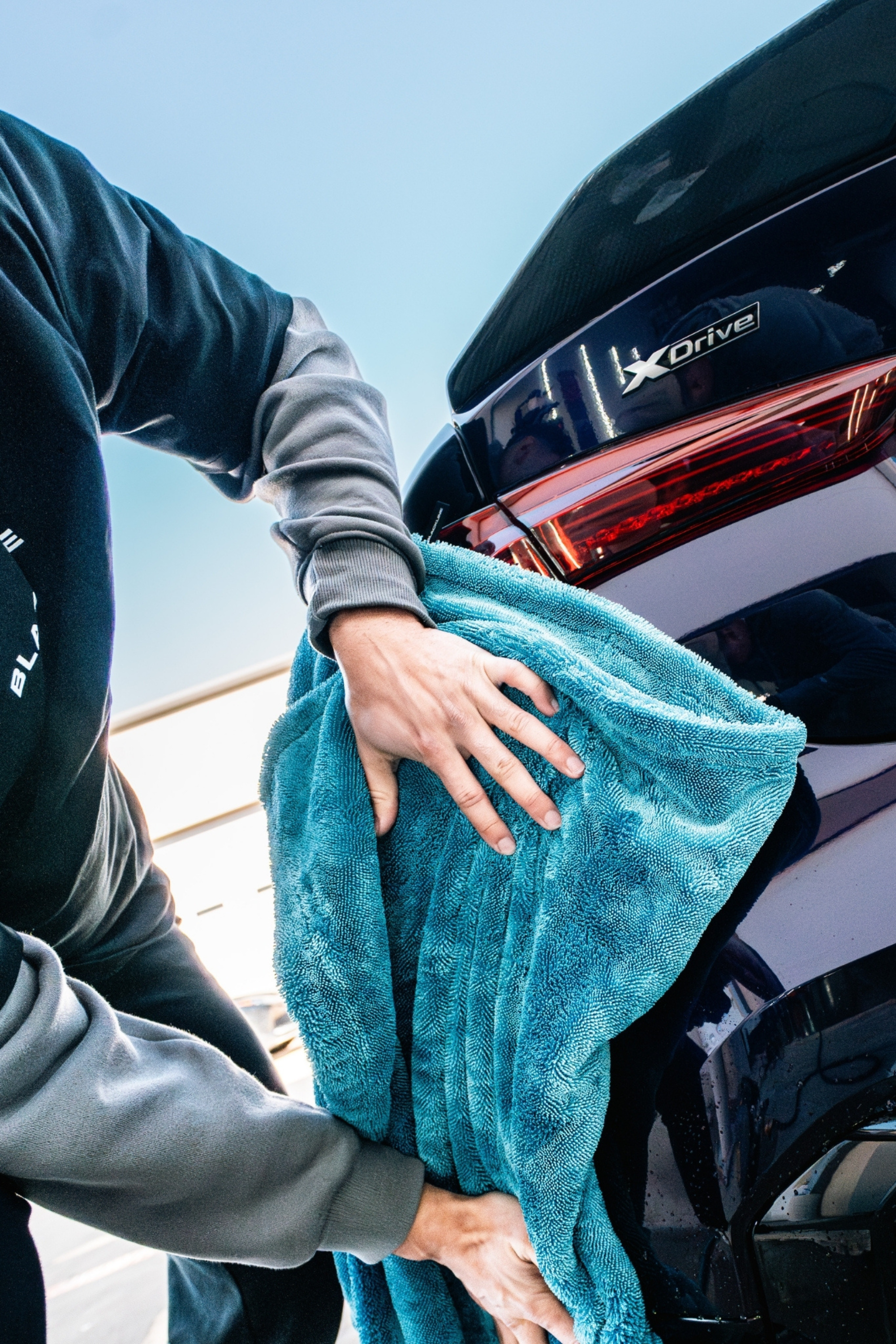


Most owners treat detailing as something you do to make a car look good. The resale data tells a different story. Paint care is not vanity. It is the cheapest lever you have on the single most expensive part of owning a vehicle.
Depreciation is the largest cost of owning a car. Not fuel, not insurance, not maintenance. According to automotive research firm iSeeCars, the loss of value over time is the biggest line item in the true cost of ownership. And while you cannot stop a car from aging, the portion of that loss tied to condition is almost entirely in your control.
That distinction is where the money lives.
The number that should get your attention
iSeeCars analyzed more than 950,000 five-year-old used cars sold between March 2025 and February 2026. The average vehicle lost 41.8% of its value over those five years. Before the pandemic distorted the used market, that figure sat closer to 50%.
You do not control the make, the model year, or the broader market. But when it is time to sell or trade, you control the one thing every appraiser is trained to evaluate first: how the car presents.
How appraisers actually grade your car
Kelley Blue Book sorts used vehicles into condition tiers: Excellent, Very Good, Good, and Fair, with Poor below that. These are not cosmetic labels. They move real money, because each tier carries a different value.
Here is the detail most owners miss. To qualify as Excellent, KBB requires that the vehicle has never had any paint or body work, is free of rust, and needs no reconditioning. By KBB's own estimate, only about 3% of vehicles meet that bar. Most cars land in Good.
Read that again. Paint is written directly into the top of the grading scale. Swirl marks, oxidation, water spotting, etching, chips, and faded clear coat are exactly the defects that quietly slide a car from one tier down to the next, and each step down is money off your number.
How much does paint damage lower resale value?
When you trade in, the dealer takes the car as-is and then has to make it retail-ready. KBB is explicit that trade-in value already sits below private-party value precisely because the dealer has to pay to recondition the vehicle before reselling it. Every visible flaw becomes a cost they subtract from your offer.
Neglected paint hits you twice:
- Direct cost. Correcting swirls, polishing out etching, or addressing oxidation is reconditioning the dealer now has to budget for. That comes straight out of your offer.
- Perception cost. Dull, scratched paint signals deferred maintenance. Buyers and appraisers assume a car that was not cared for on the outside was not cared for underneath either. That assumption gets priced in before anyone opens the hood.
The swing is meaningful. Multiple appraisal and collision-industry sources, citing KBB data, estimate that cosmetic and paint-related damage can reduce resale value by roughly 10% to 15%, while clean, well-kept paint can lift a trade-in offer by a similar margin. Treat those percentages as directional rather than exact, since they vary by vehicle, color, and local market. The direction, however, is not in dispute, and KBB itself confirms the mechanism: detailing a car and fixing minor issues before an appraisal can net hundreds more.
The math enthusiasts already understand
If you drive something you actually care about, none of this is new logic. You already know that defect-free paint photographs better, shows better, and holds attention longer on a listing. What is worth naming is the financial machinery underneath that instinct.
Consistent paint care is the lowest-cost lever you have on the most expensive part of ownership. A car that stays a tier higher at appraisal is not a car that got detailed once before the sale. It is a car that was protected the whole way through.
What protection actually looks like
Etching, oxidation, and clear-coat failure are cumulative. By the time you are prepping to sell, the damage is already baked in. Owners who keep a car in the top tiers do three things consistently:
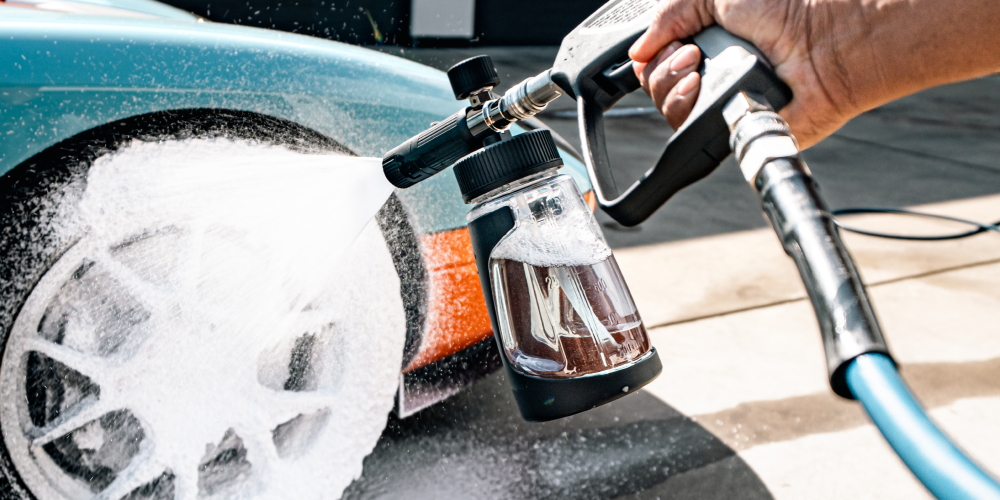
- Wash correctly. Most swirl marks come from improper washing, not the road. A proper pre-wash matters, and a foam cannon does it better. It blankets the panel in thick, clinging foam that lifts and floats grit off the surface, instead of letting your wash media drag it across the clear coat and leave swirls behind.
- Decontaminate and protect. Removing bonded contaminants with a synthetic clay towel and maintaining a sacrificial layer, whether a quality sealant or a ceramic coating, keeps UV, fallout, and water spotting off the paint itself.
- Correct early. A light defect handled now is a quick polish. The same defect ignored through three summers of UV becomes a respray conversation.
None of that is exotic. It is a routine. And the routine is what keeps a car in the 3% instead of the majority.
So the next time the choice is between a Saturday of upkeep and letting it slide, reframe the decision. You are not deciding whether to make the car look nice. You are deciding how much of your single largest ownership cost you are willing to hand back when you sell.
Detailing done right is not money spent on appearance. It is money defended on the title.
Common questions
Yes. Appraisers grade a used vehicle's exterior condition, and paint is built into the top of the scale. Kelley Blue Book's Excellent tier requires that a car has never had paint or body work, is free of rust, and needs no reconditioning, and by KBB's own estimate only about 3% of vehicles qualify. Swirls, oxidation, etching, and chips push a car into a lower tier, which lowers its value.
Appraisal and collision-industry sources citing Kelley Blue Book data estimate that cosmetic and paint-related damage can reduce resale value by roughly 10 to 15 percent. Treat that as directional rather than exact, since it varies by vehicle, color, and local market, but the direction is consistent.
Yes. Kelley Blue Book states that a cleaned and detailed car is worth more at trade-in than a worn one, and that cleaning the car and fixing minor issues before an appraisal can net hundreds more.
iSeeCars analyzed more than 950,000 five-year-old used cars sold between March 2025 and February 2026 and found the average vehicle lost 41.8% of its value over five years. iSeeCars also identifies depreciation as the single largest cost of owning a vehicle.
Trade-in value assumes the dealer takes the car as-is and sits below private-party value because the dealer has to pay to recondition the vehicle before reselling it. Every visible flaw, including tired paint, is reconditioning the dealer subtracts from the offer.
Built to protect the asset
Blackline products are formulated for owners who treat their vehicle as something worth keeping in the top tier, not just clean for the weekend. Protect the paint, hold the value.
Shop the Lineup- iSeeCars, "The Top 25 Cars That Hold Their Value Best, and the 25 Worst" (2026 study, average five-year depreciation 41.8% across 950,000+ vehicles). iseecars.com/cars-that-hold-their-value-study
- iSeeCars, "Best Resale Value Cars" (depreciation is the single largest cost of vehicle ownership). iseecars.com/resale-value
- Kelley Blue Book, "My Car's Value" FAQ (condition tiers; trade-in value taken as-is; only ~3% of cars qualify as Excellent; trade-in is below private-party because dealers pay to recondition). kbb.com/faq/values
- Kelley Blue Book vehicle-condition definitions, via HowStuffWorks (Excellent requires no prior paint or body work, free of rust, no reconditioning; less than 5% of vehicles qualify). auto.howstuffworks.com/buying-selling/kelley-blue-book4.htm
- Kelley Blue Book, "Car Trade-In Tips: How Can I Maximize My Car's Value?" (a cleaned and detailed car is worth more at trade-in; cleaning and minor repairs before appraisal can net hundreds more). kbb.com/car-advice/car-trade-in-tips
- National Dent Repair, citing KBB estimate that cosmetic damage can reduce resale value by 10% to 15%. ndrtn.com/how-paintless-dent-repair-preserves-your-cars-resale-value
- Texas Collision Centers, "Auto Paint Repair and Vehicle Resale Value" (paint damage can reduce value by up to ~10%; professional repair can raise trade-in ~8 to 10%). texascollisioncenters.com