

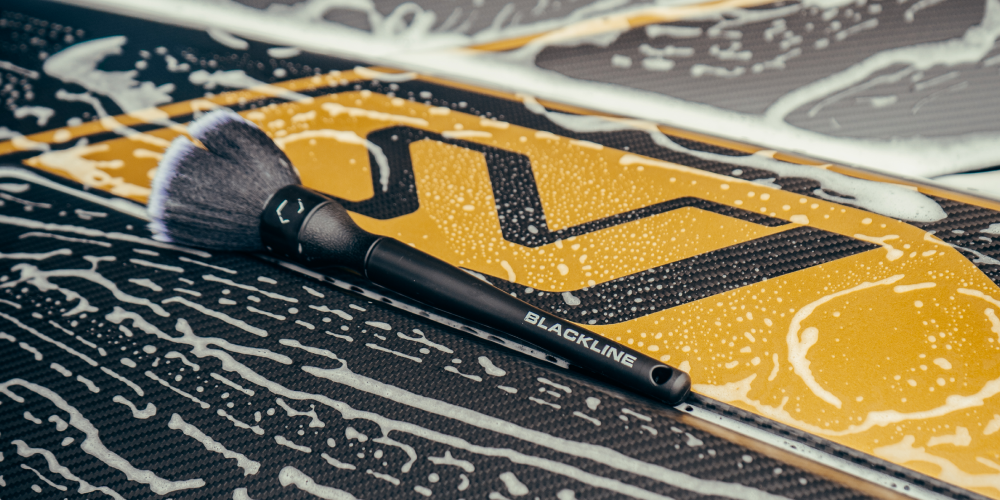
Bug splatter, tree sap, and bird droppings get filed under cosmetic. A little ugly, a little annoying, gone by the next wash. That filing is the expensive mistake. All three are acidic, all three begin working on your clear coat the moment they land, and in summer heat the damage can turn permanent in a matter of hours. The real question was never whether your paint looks clean today. It is whether the finish, the single most visible piece of your car's value, survives the season intact.
Here is the part that does not show up until it is too late: once a contaminant etches the clear coat, no amount of washing brings the finish back. You are no longer cleaning. You are paying to remove and refinish paint. Understanding why these three contaminants are so destructive, and how little it takes to stop them, is the difference between a free habit and a four·figure bill.
This Is Not Dirt. It Is Acid.
Road grime sits on top of your paint. These three eat into it. The mechanism is chemistry, not mess.
- Bird droppings carry uric acid with a pH of roughly 3.5 to 4.5. That is acidic enough to attack the polymer structure of automotive clear coat, and the acid is nearly insoluble in water, which is why a quick rinse rarely clears it.
- Bug splatter starts close to neutral. Fresh lovebug residue tests near pH 6.5, but bacterial decomposition drops it to an acidic 4.25 within about 24 hours. The bug that looked harmless yesterday is corrosive today.
- Tree sap combines organic acids with sugars. As it cures and hardens, it chemically bonds to the clear coat and shrinks, pulling at the surface while the acids work underneath.
Different sources, same outcome: a low·pH compound sitting on a surface that was built to resist a great deal, but not sustained acid contact.
How The Damage Actually Lands.
Etching happens through two mechanisms working together, and heat runs both of them faster.
The first is chemical. The acid reacts with the clear coat and begins dissolving the top layer, dulling gloss and leaving a faint outline where the deposit sat. The second is physical. In direct sun the clear coat softens and expands while the dropping or sap dries and hardens. Overnight the paint cools, contracts, and hardens around the texture of the deposit, locking that shape into the surface at a microscopic level. Wash the acid away the next morning and the etched outline stays behind, because the clear coat itself has been deformed.
Temperature decides the timeline. A deposit that might take 24 to 48 hours to mark paint in mild weather can produce permanent etching in hours on a hot panel, because dark, dried residue absorbs sunlight and heats the spot beneath it well past the surrounding paint. In peak heat, "I will get to it this weekend" is already too late.
Why A Quick Rinse Will Not Save You.
Three instincts make the damage worse instead of better. First, the hose. Because uric acid is nearly insoluble in water, rinsing moves the visible splatter but leaves the acid in place to keep working. Second, the dry wipe. Dried bug shells and hardened sap are abrasive, so dragging a dry cloth, a paper towel, or your wipers across them grinds grit into soft clear coat and adds scratches on top of the chemical damage. Third, the wrong chemical. Household solvents and anything aggressive enough to "cut through it" can strip protection and dull the finish on contact.
And there is a structural reason this gets expensive fast. Per AAA's repair experts, once the clear coat is damaged you cannot fix only the spot. The entire panel has to be recleared. A single bird dropping the size of a coin can put a whole door or hood on the bill.
Run The Math On The Asset.
Kelley Blue Book treats condition as one of the two factors that move a used car's value most, alongside mileage. Paint is the first thing an appraiser and a private buyer see, and it sets the tone for everything else through the halo effect: a flawless exterior signals that the mechanical side was cared for too. A professional detail and defect·free finish can add roughly 9% to 15% to a used car's price, around $1,400 to $1,800 on a mid·range vehicle. Etched, hazy, neglected panels do the reverse and pull the whole car down with them.
So the real comparison is not a bottle against a bug. It is a wash habit that costs almost nothing against a paint correction at $800 to $2,000, a single·panel respray at $400 to $1,200, or a full repaint that Kelley Blue Book puts anywhere from $1,000 to well past $6,000. The contaminant is free to remove the day it lands. Everything after that is retail.
What Protection Actually Looks Like.
None of this requires a detailing bay. It requires speed and the right touch.
- Catch it fast. Hours matter more than products. Keep a bottle of Waterless Wash and a couple of soft towels in the trunk so a fresh dropping or bug splat comes off the same day, not next weekend.
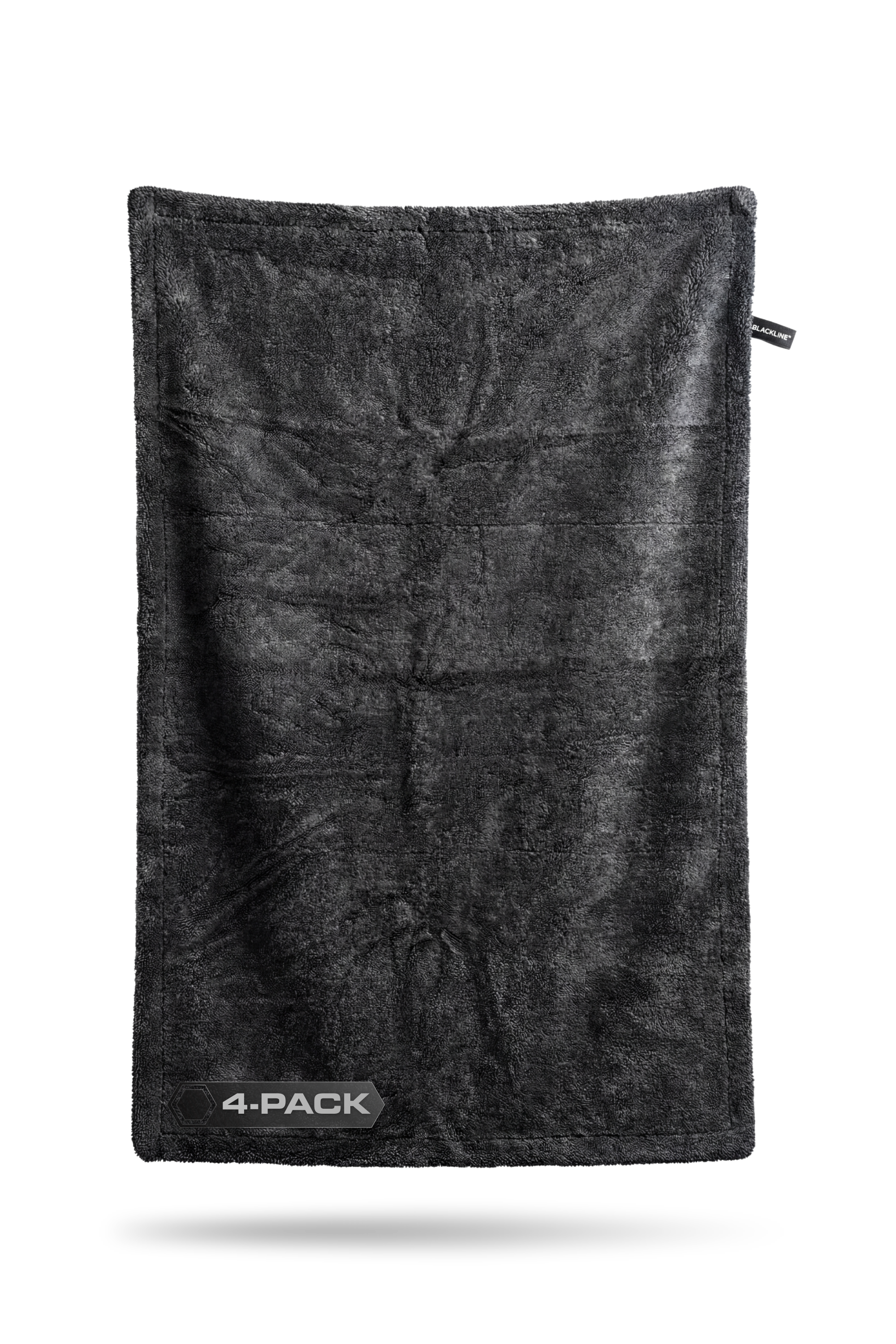
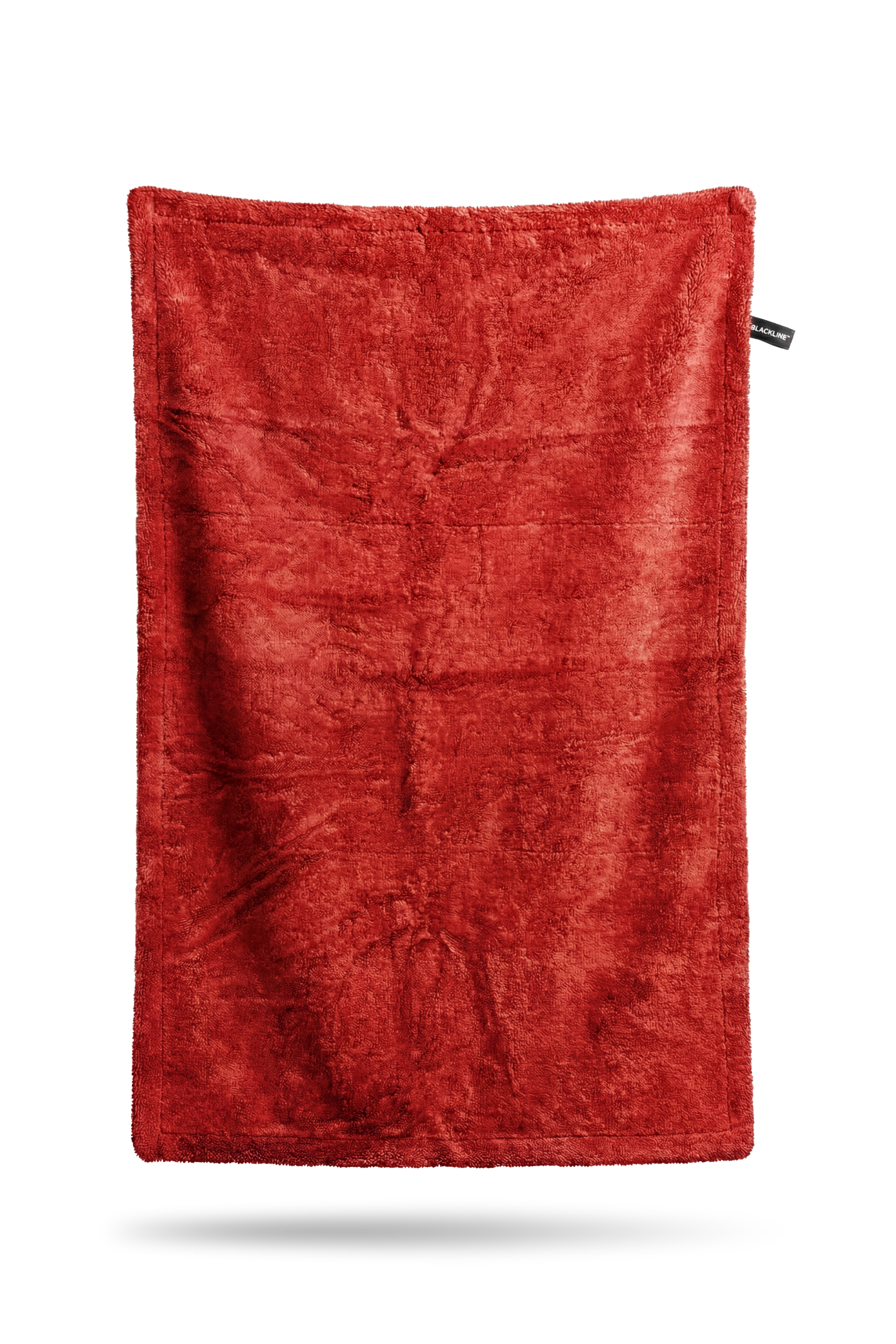
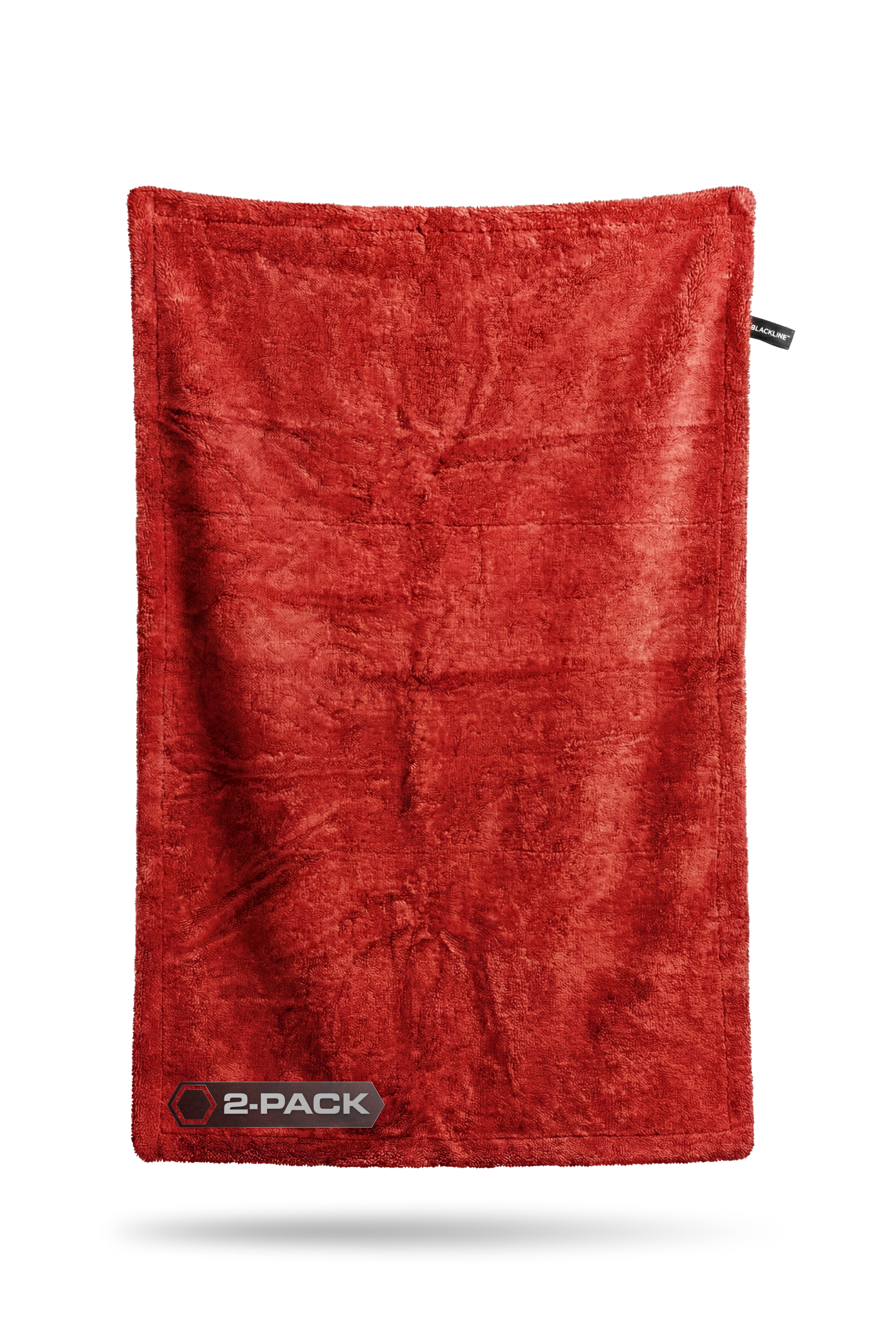
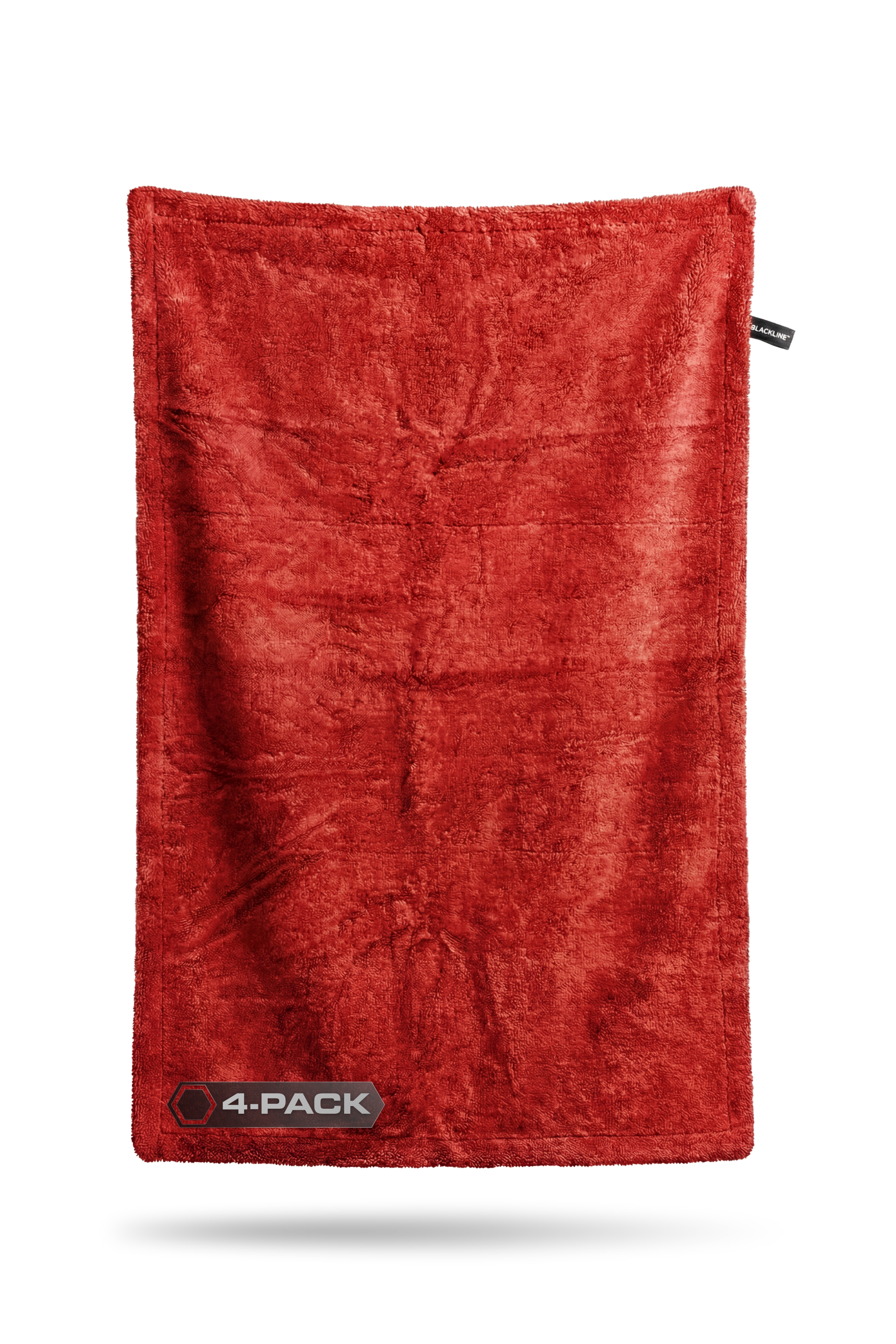
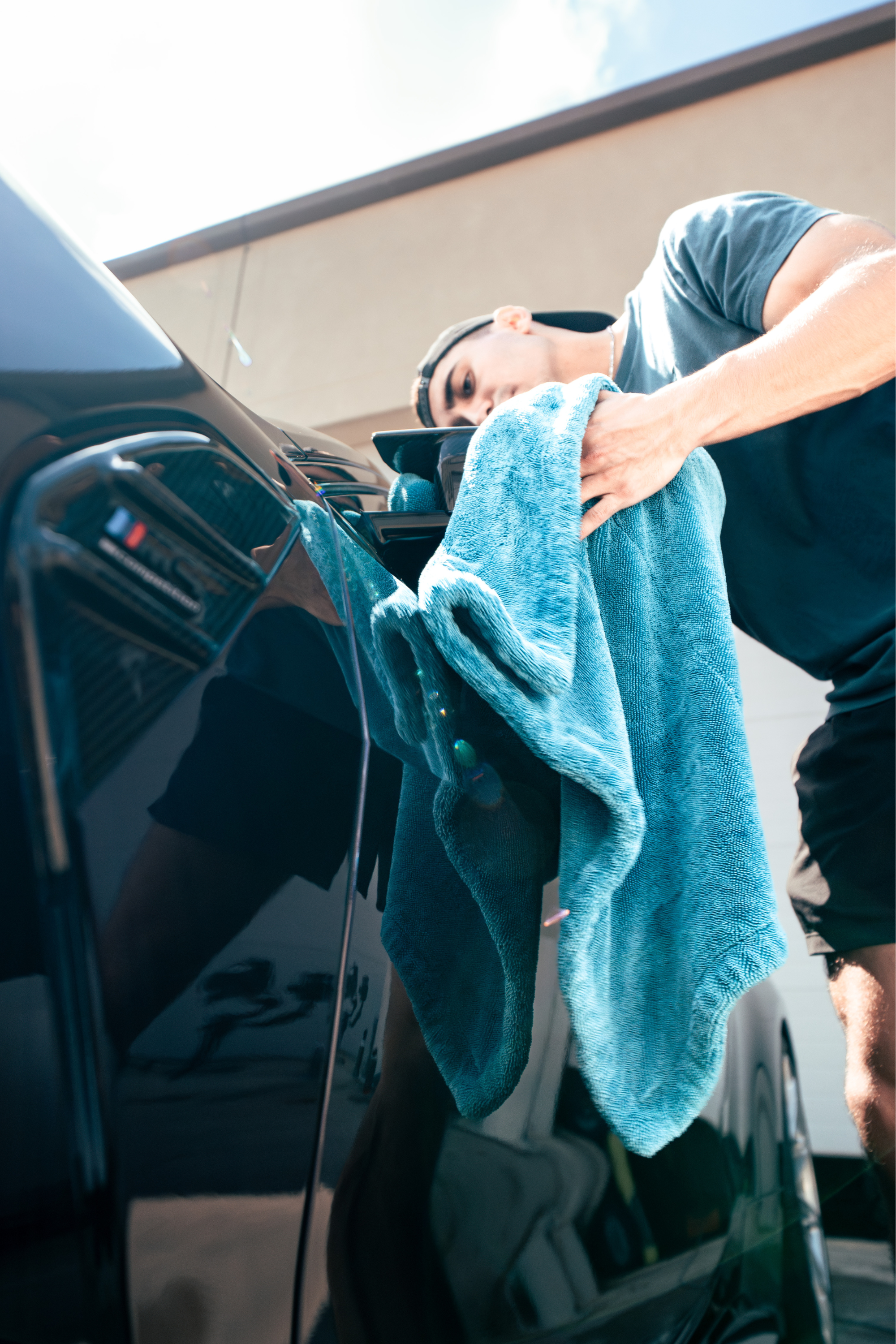
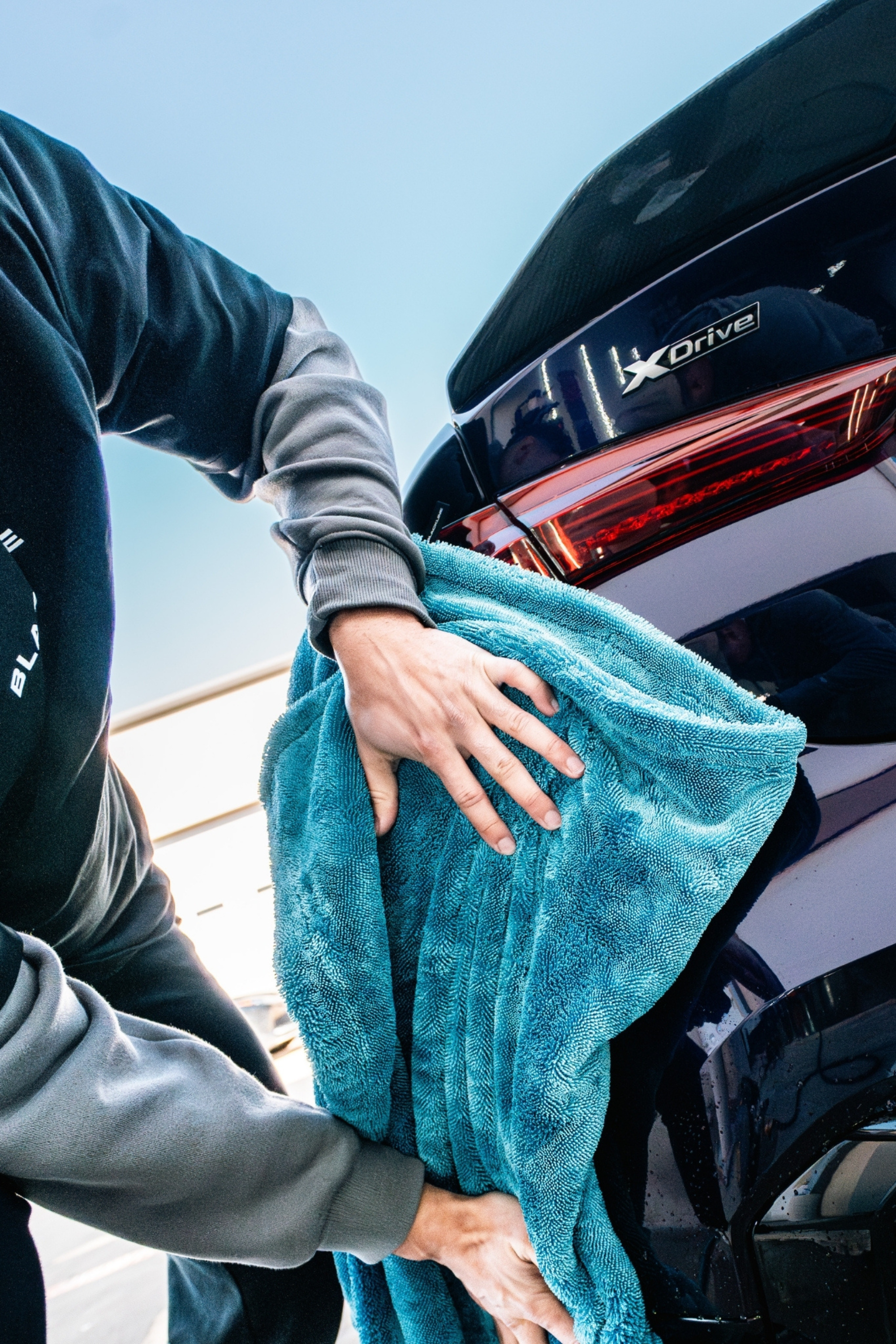
- Never touch a dry surface. Flood the spot and let it soften first. Then lift it with clean, plush microfiber only, like the Everyday Microfiber Towels. No paper towels, no scrubbing, no reused rags.
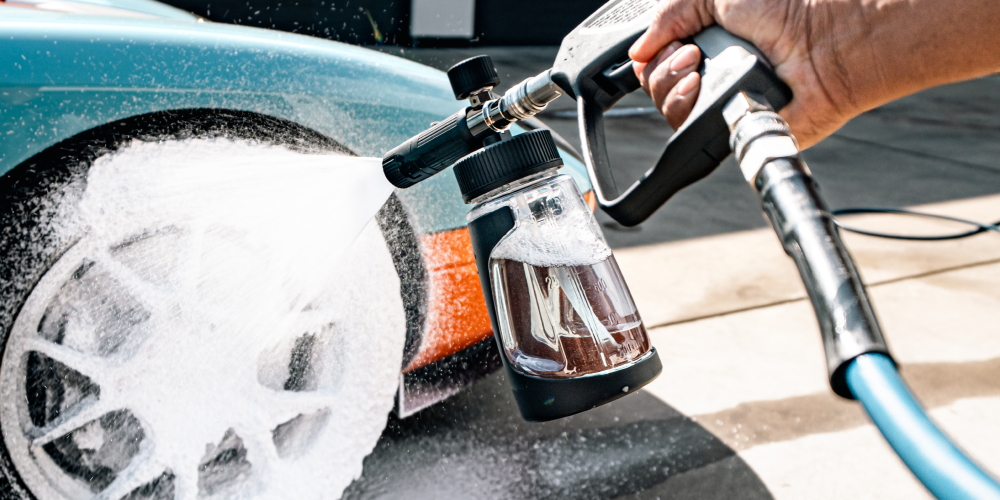
- Soak, then lift. For a full wash, pre·soak the paint in thick foam with Ultra Foam through the Ultra Series Foam Cannon. Let it dwell so the residue softens, then wipe with plenty of lubrication so nothing drags.
- Decontaminate what the wash leaves. Bonded sap and baked·on bug residue survive normal washing. A Synthetic Clay Towel shears that bonded layer off the surface without harsh abrasives.
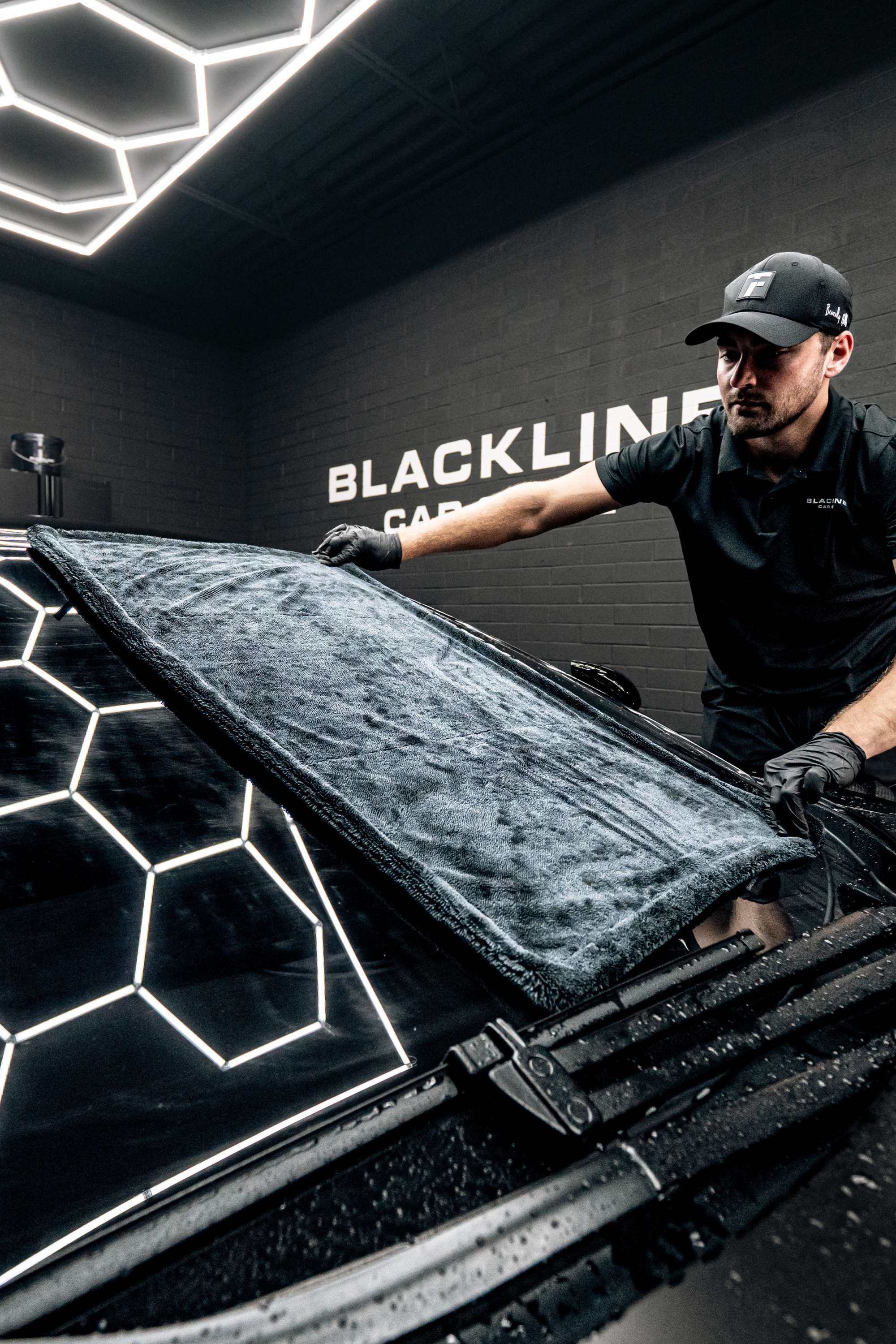
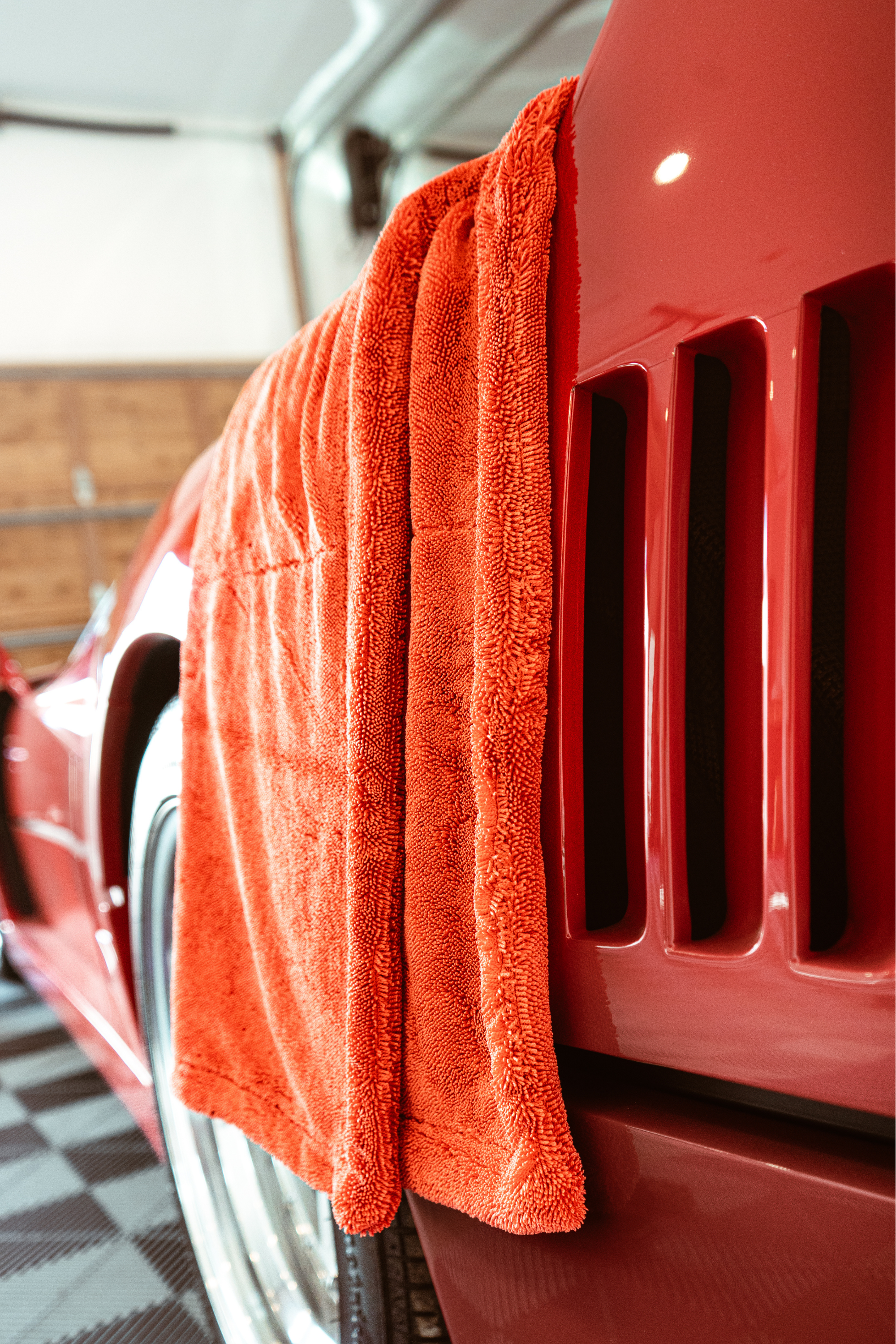
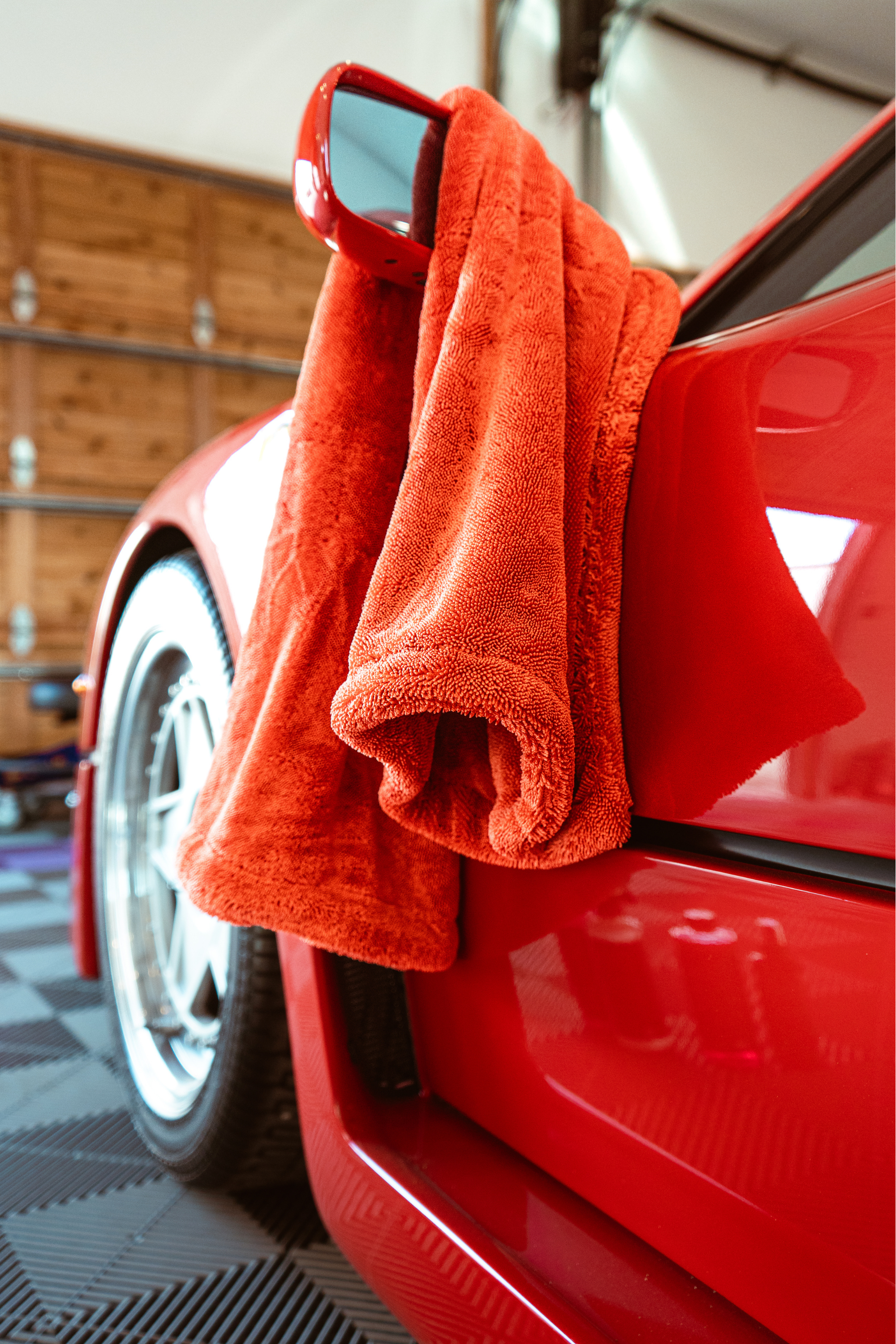
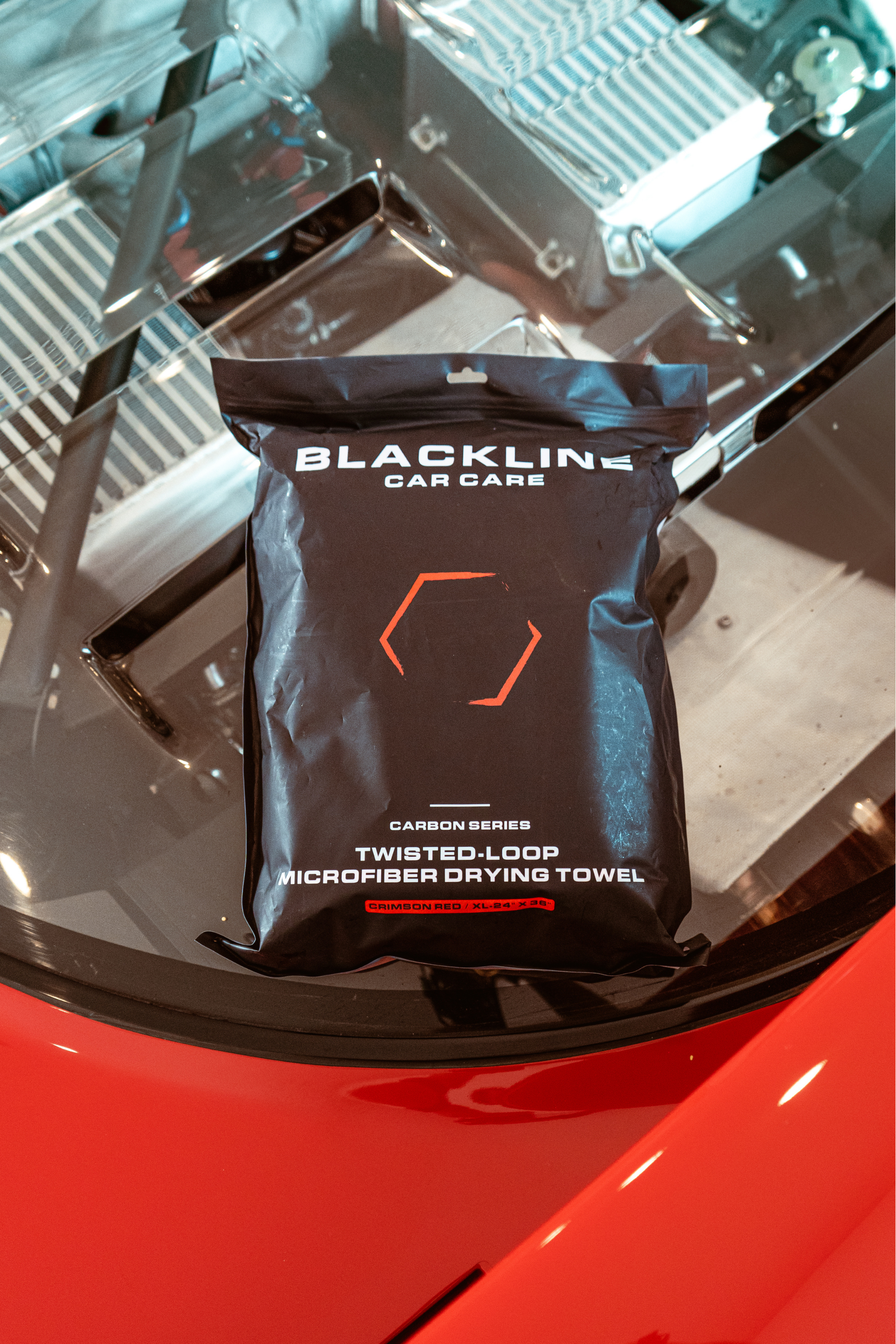
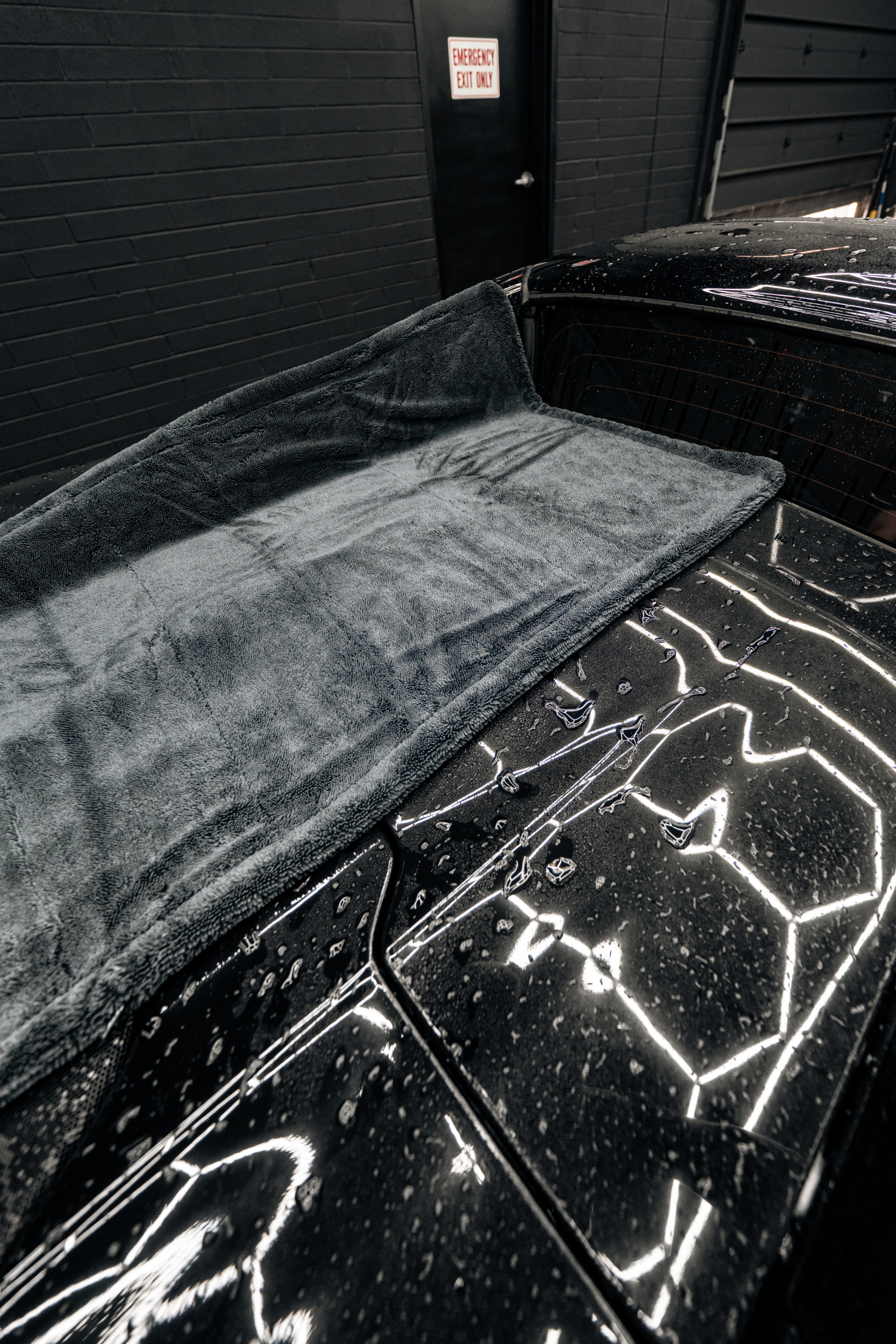
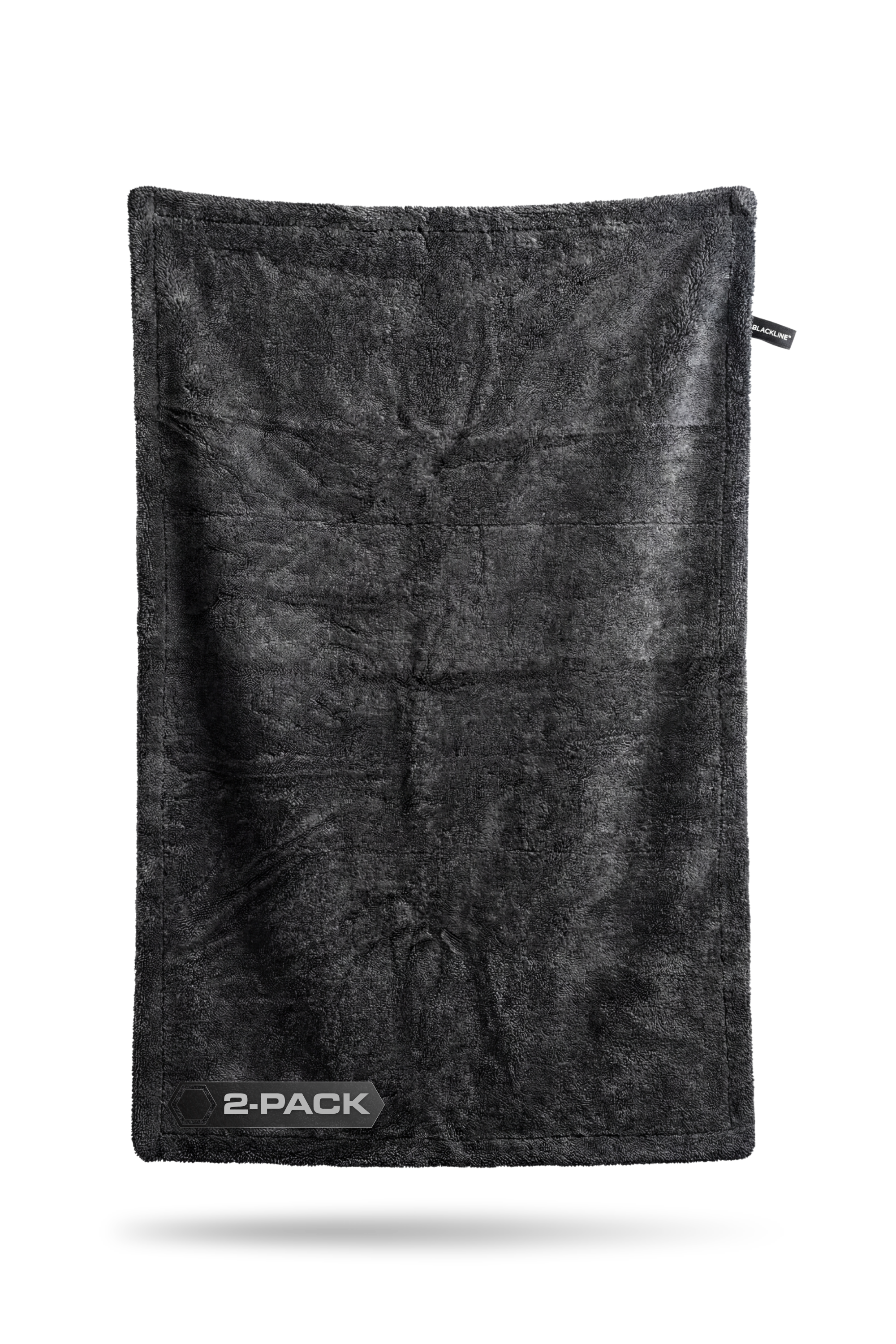
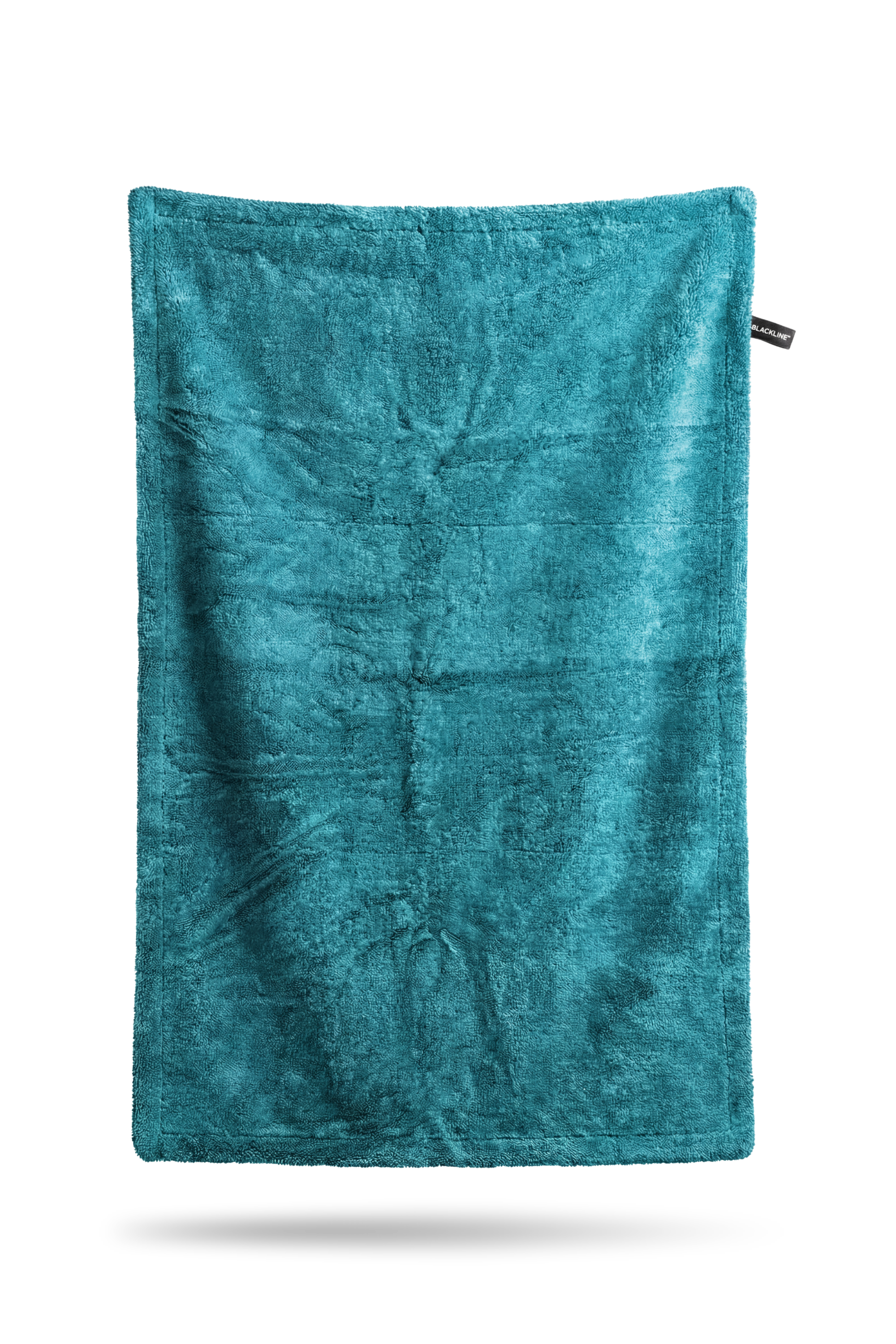
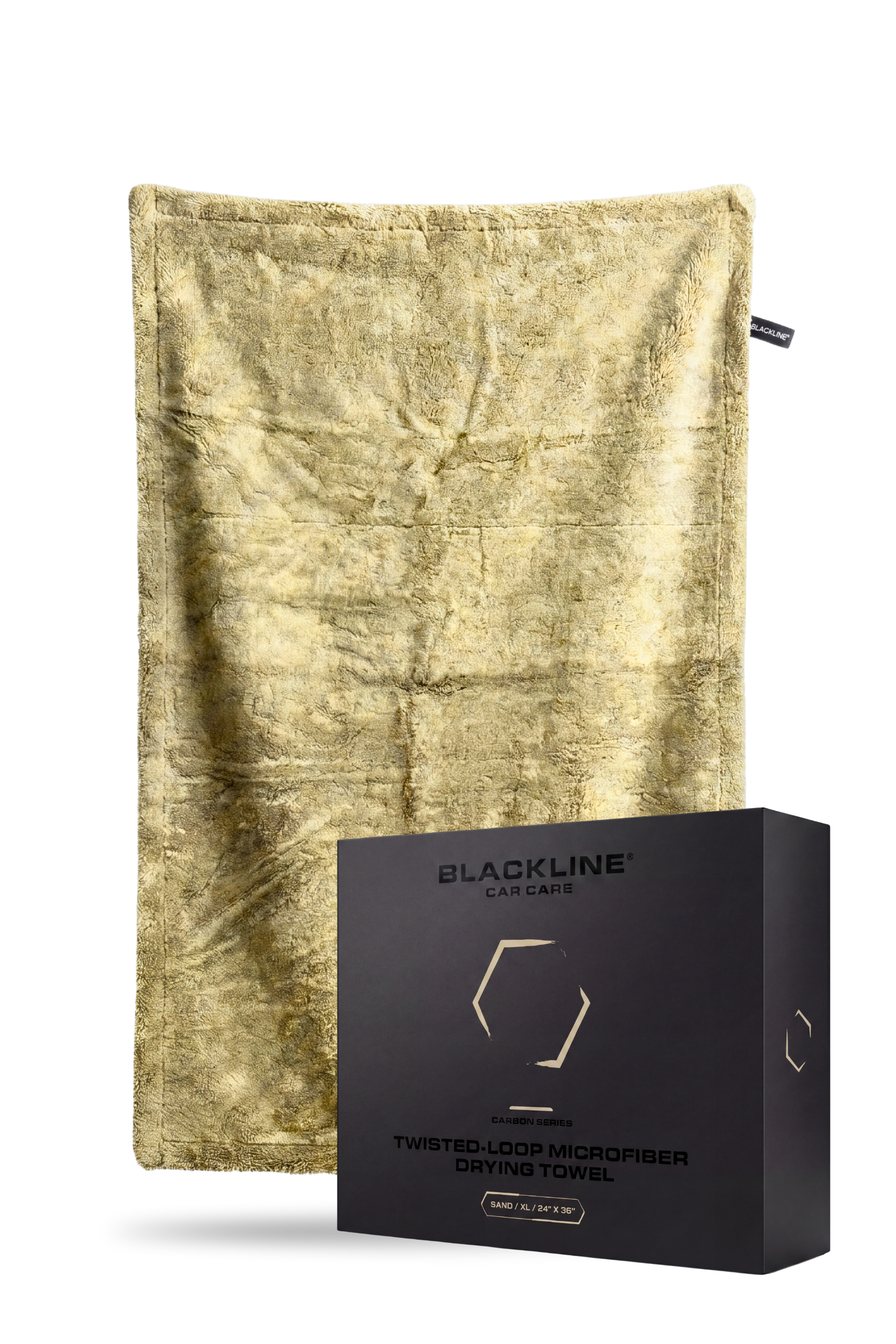
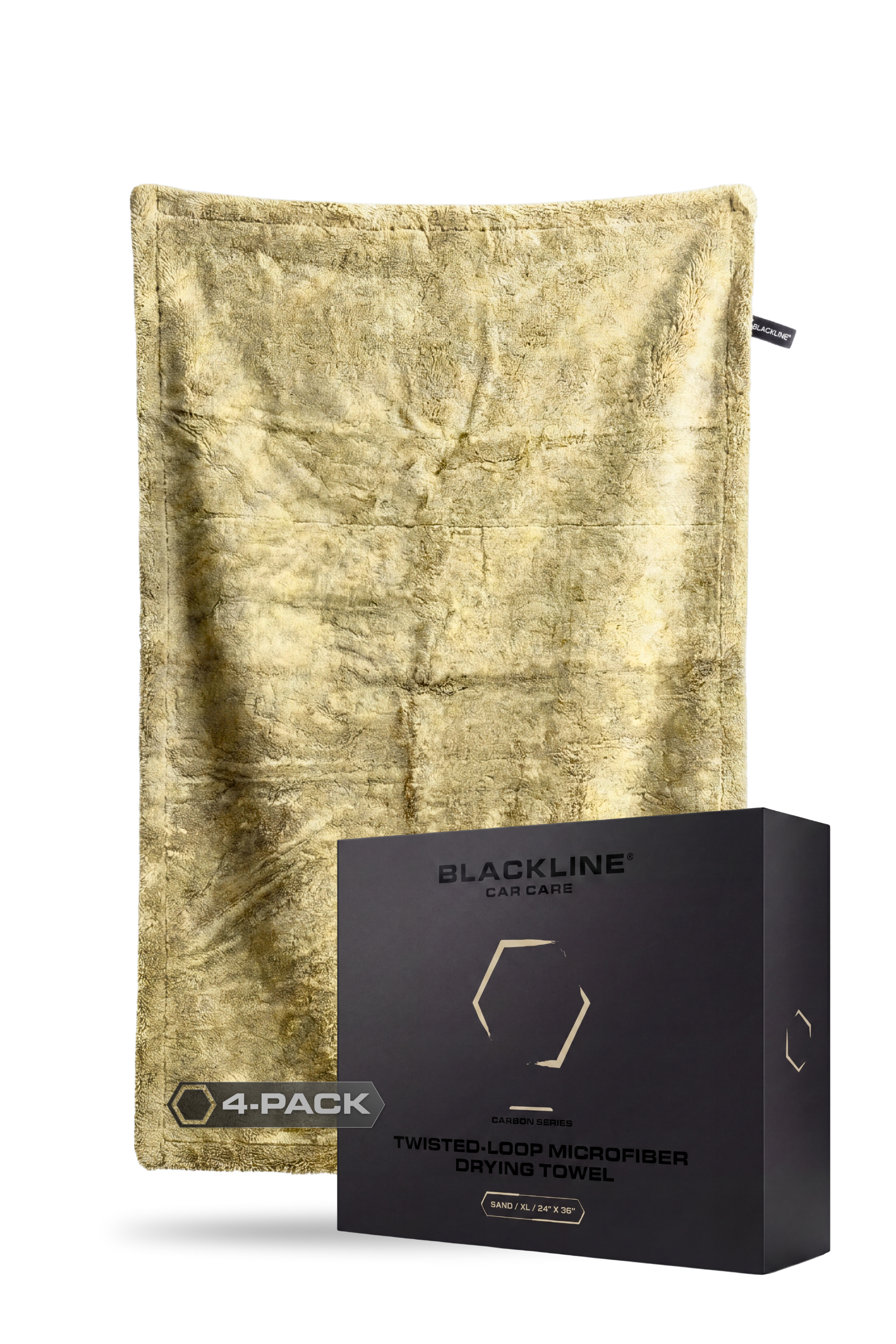
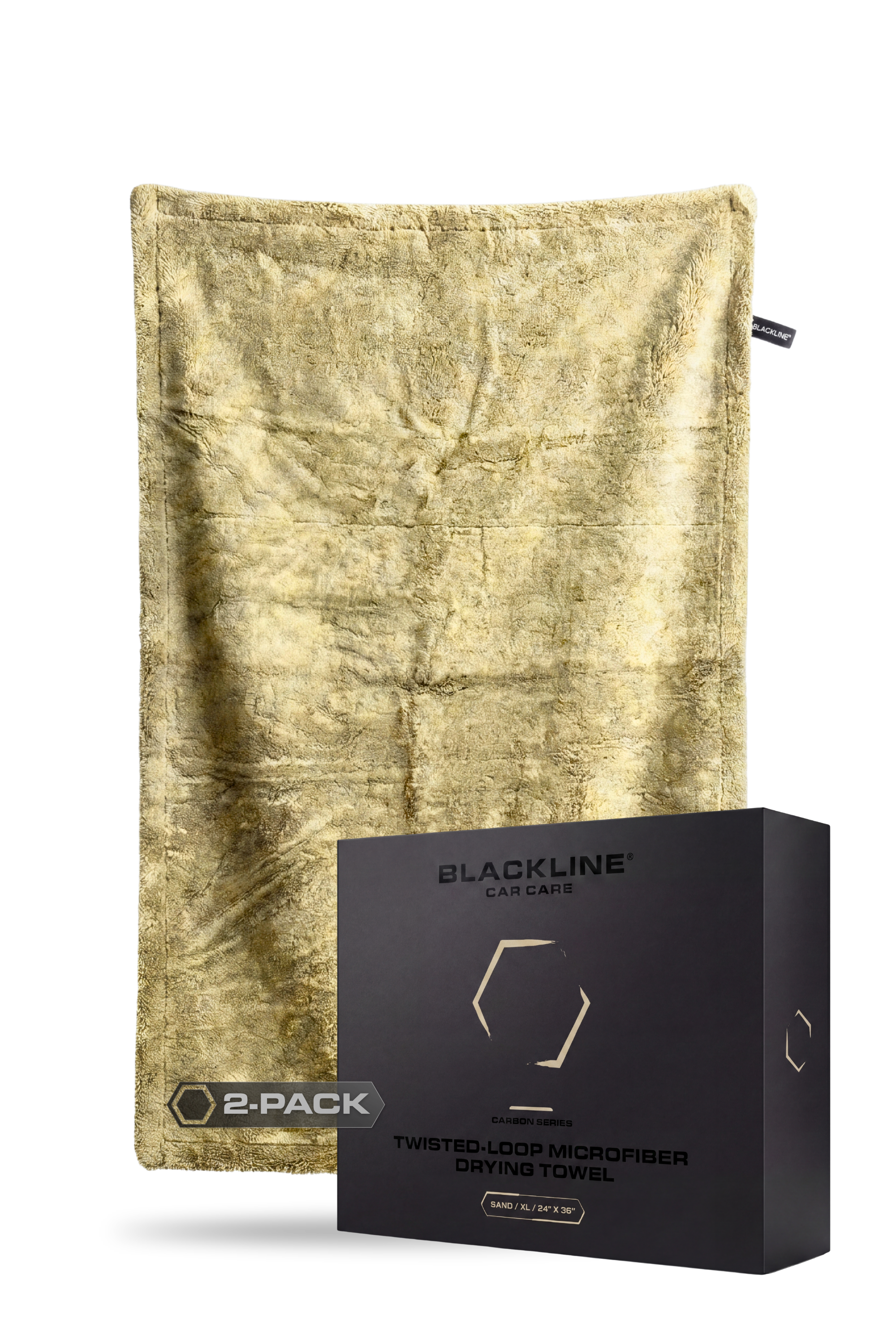
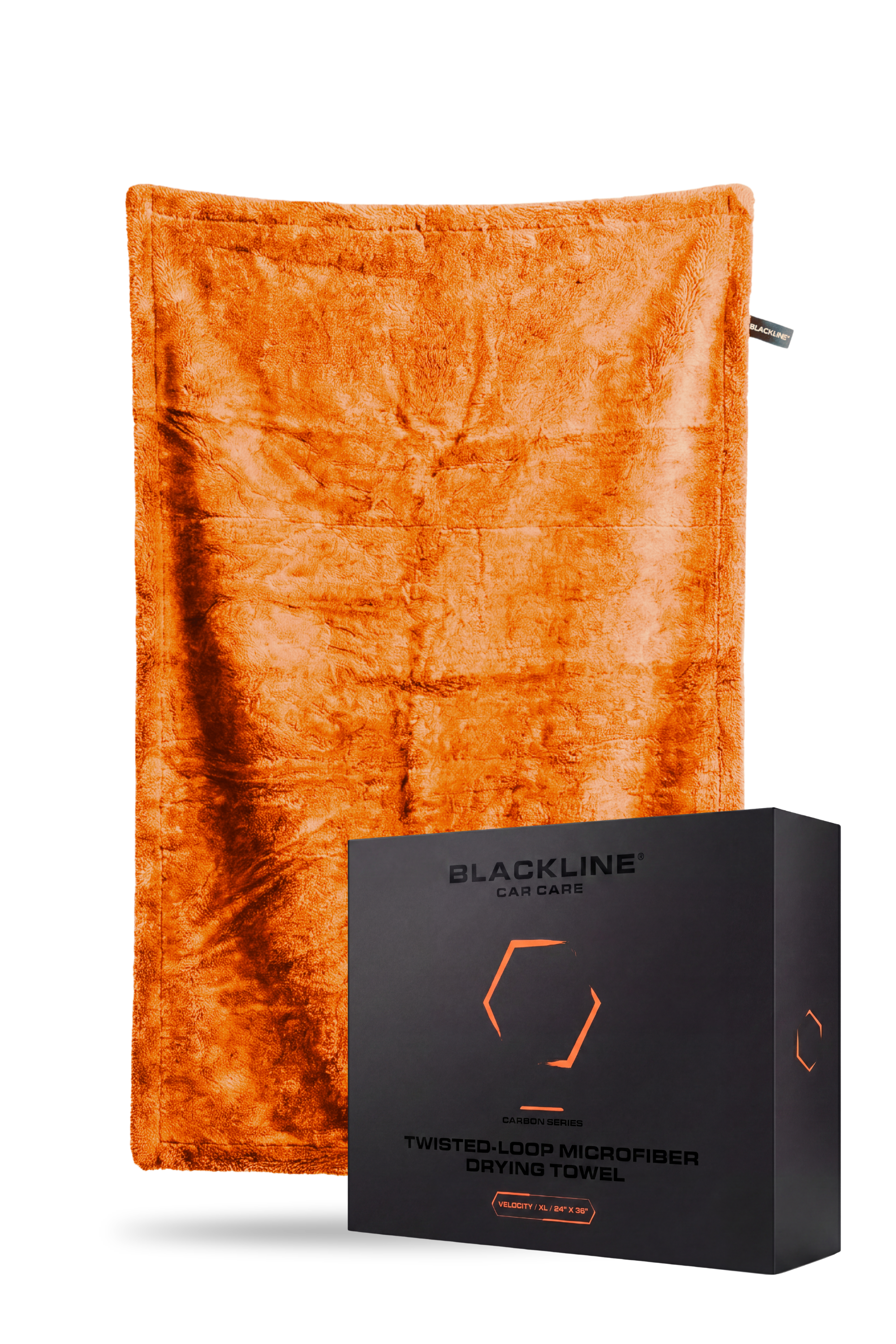
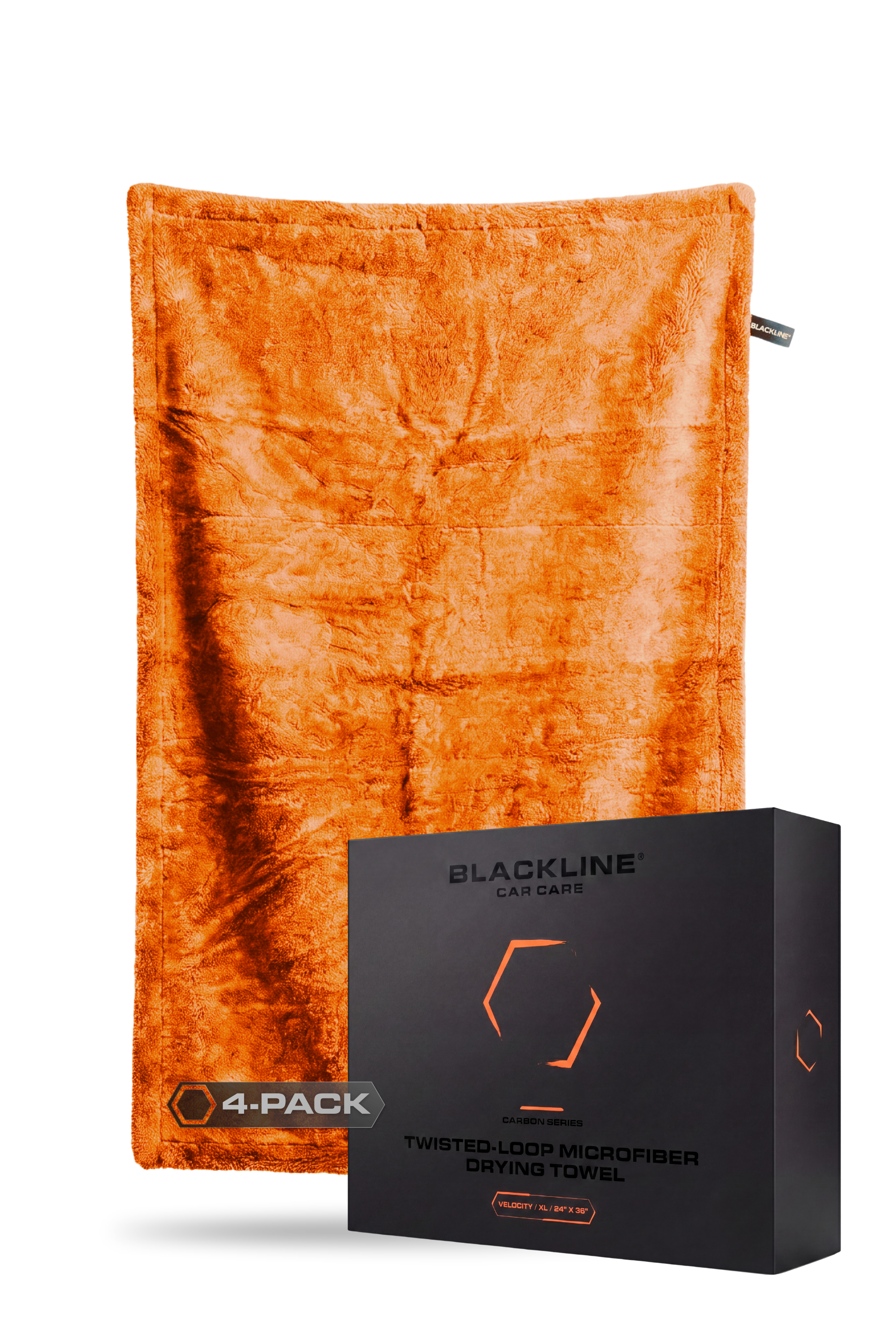
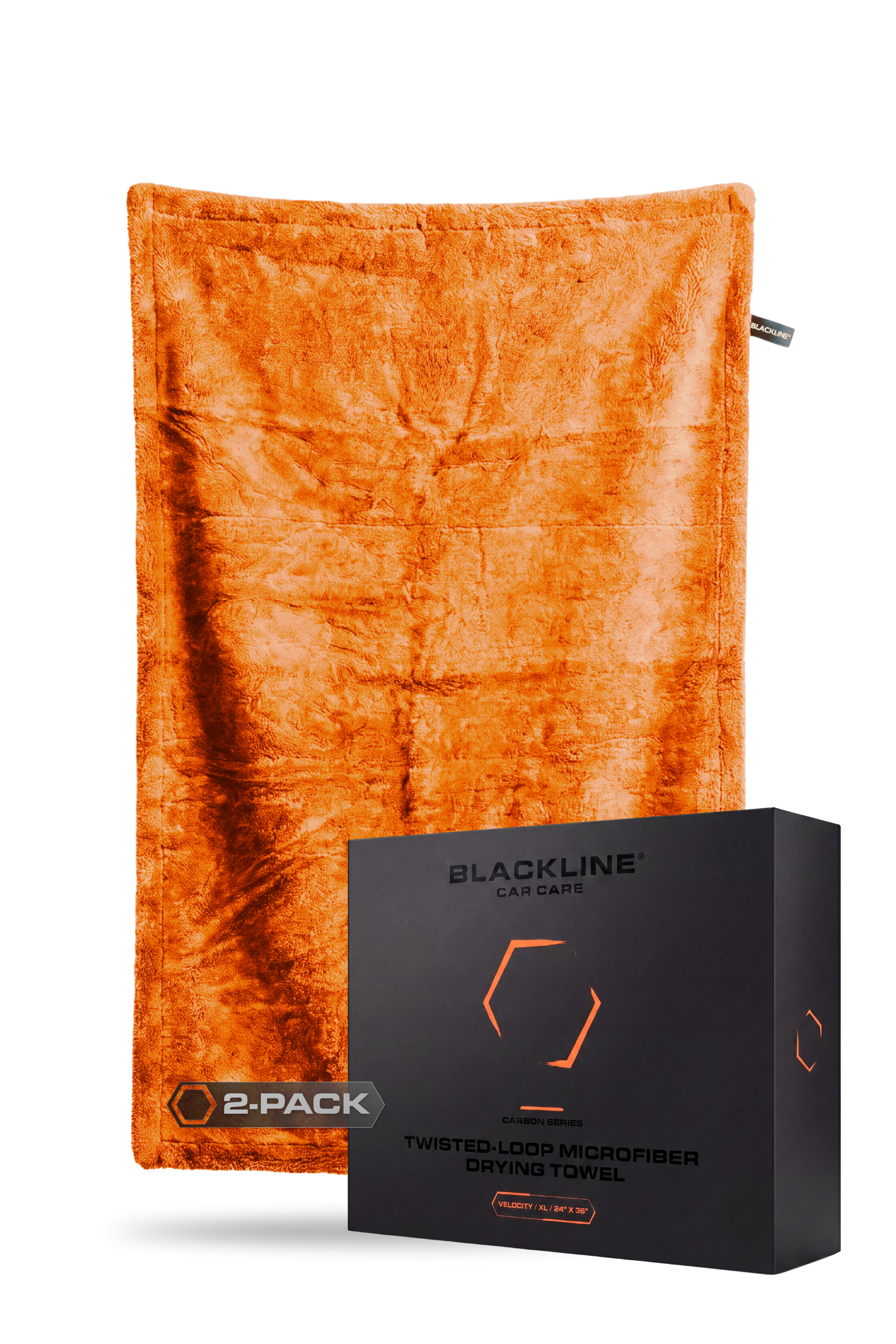
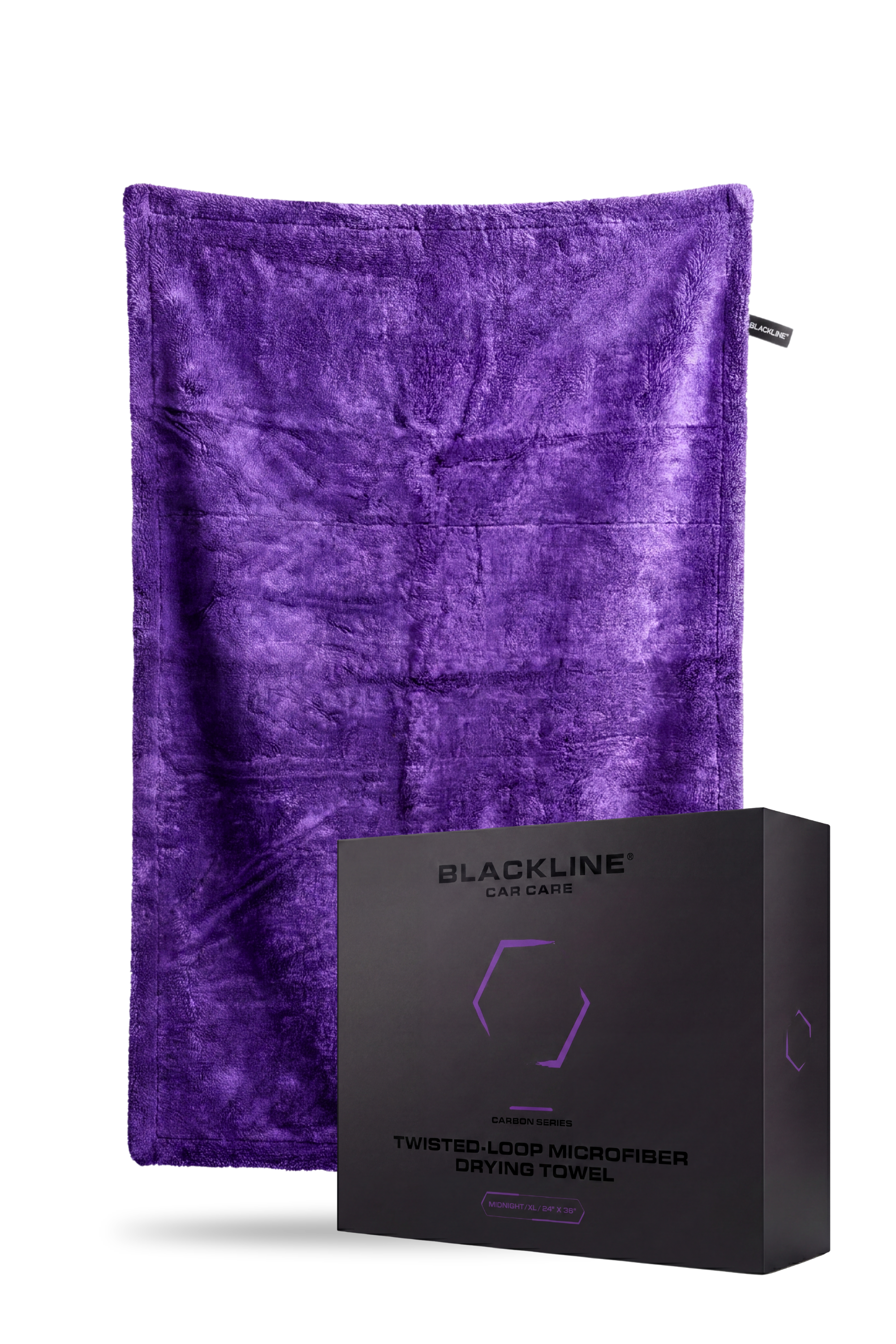
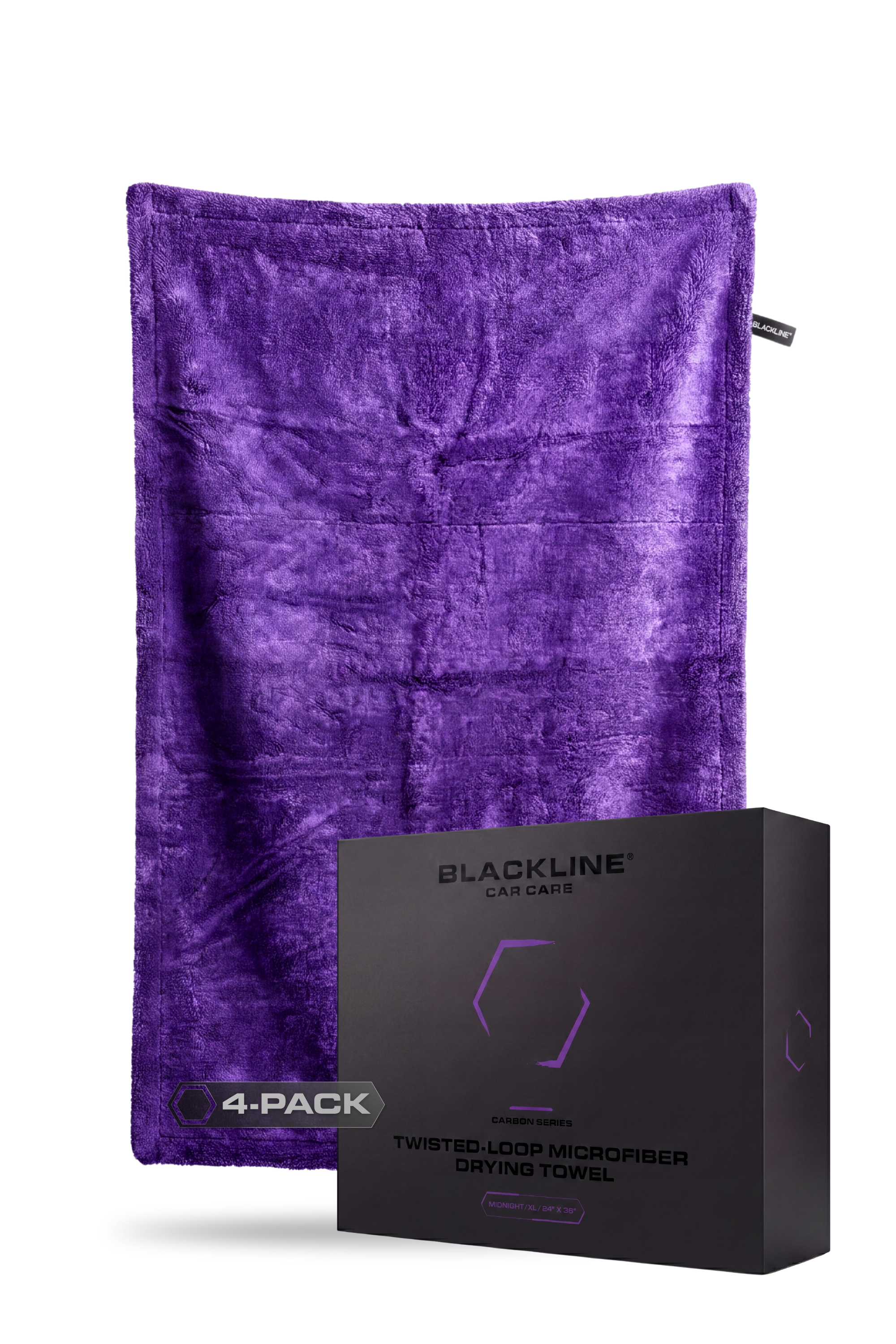
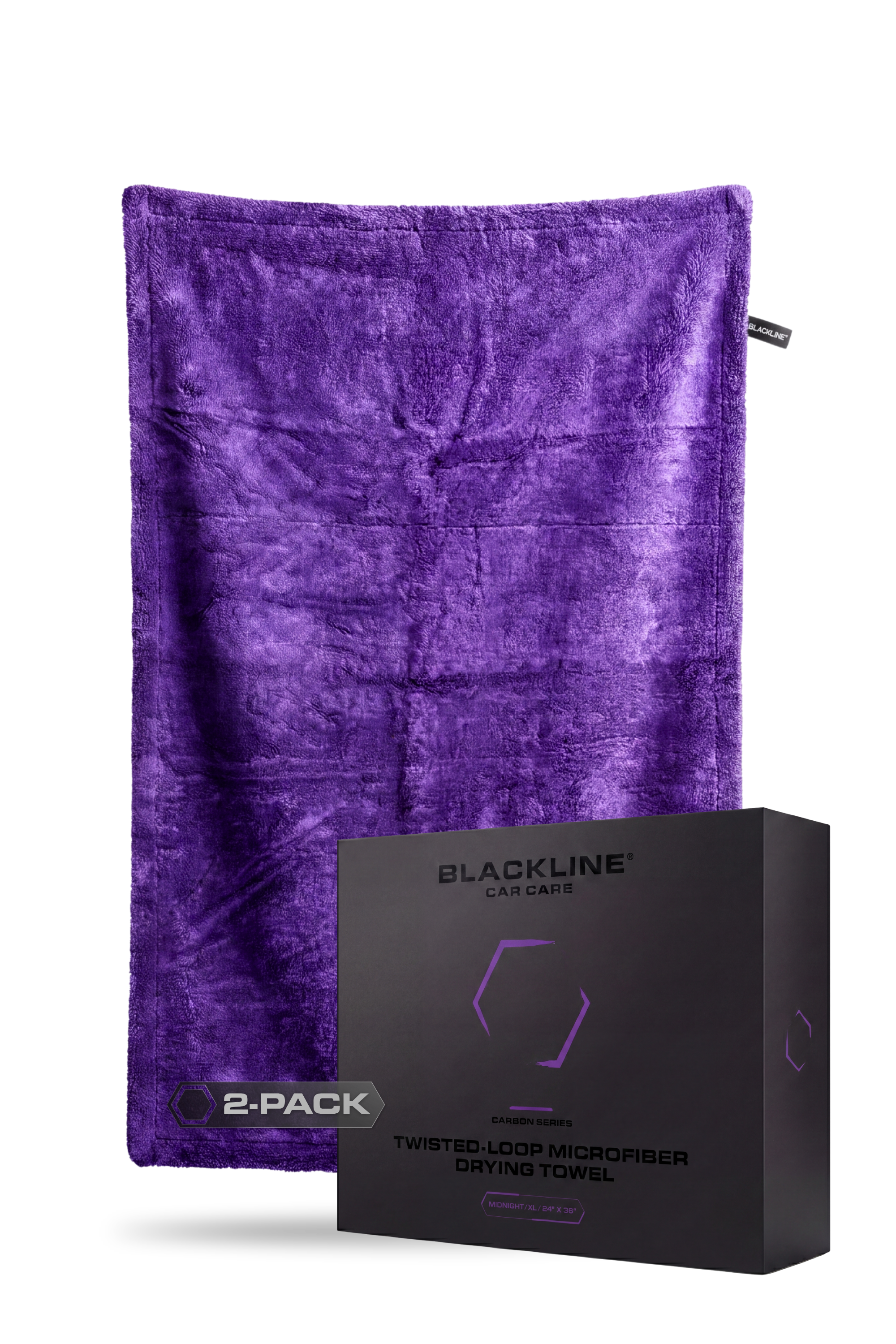
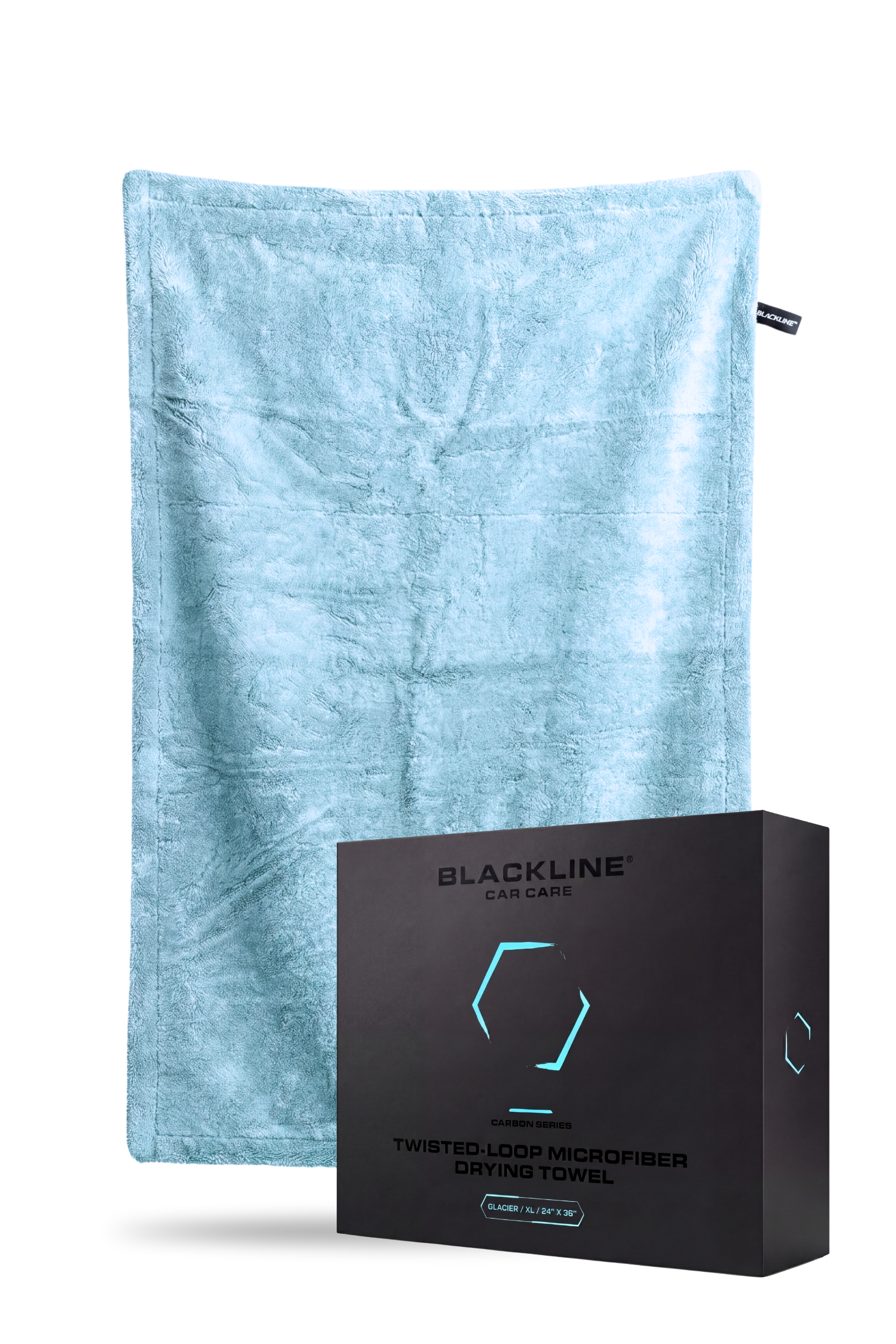
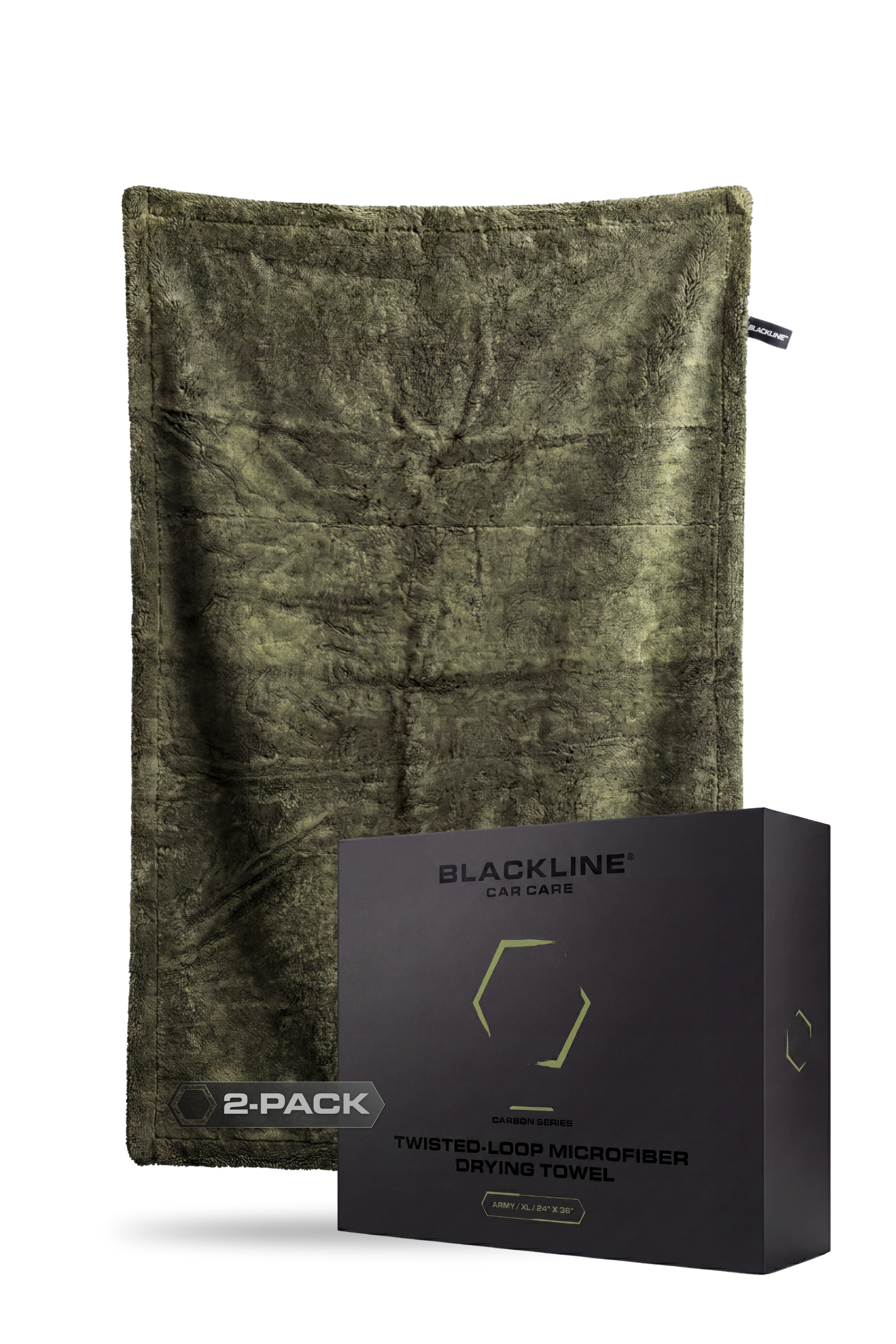
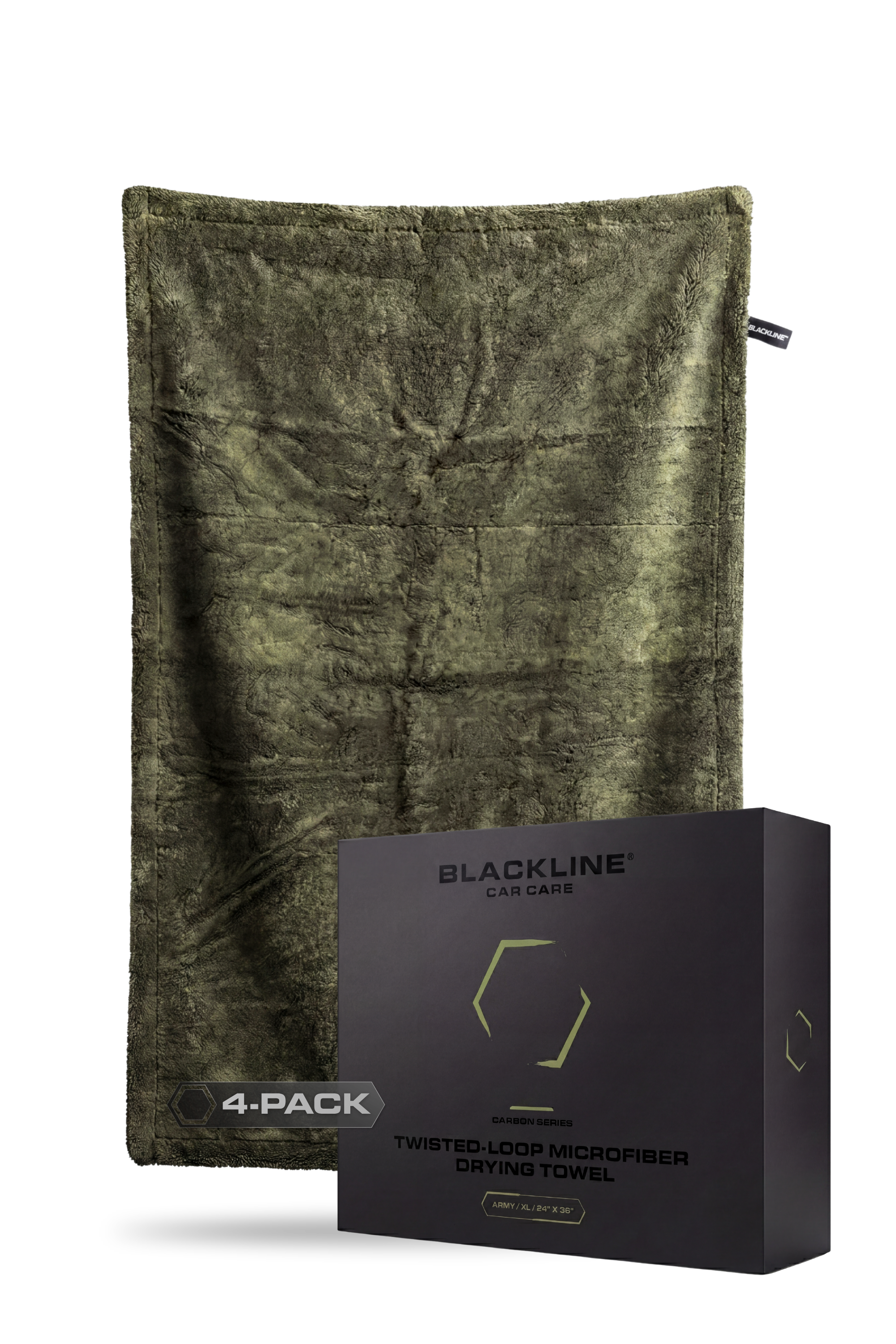
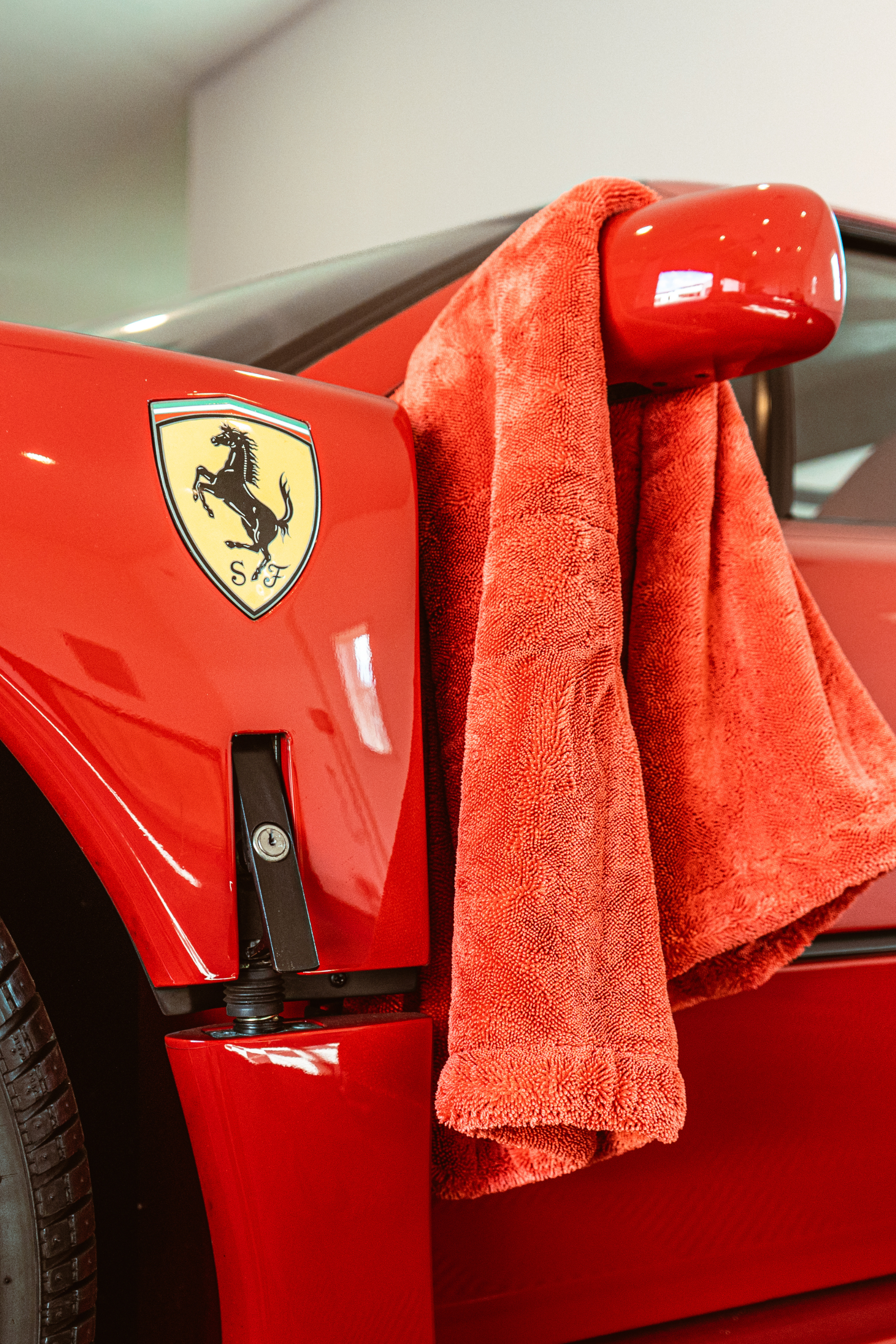
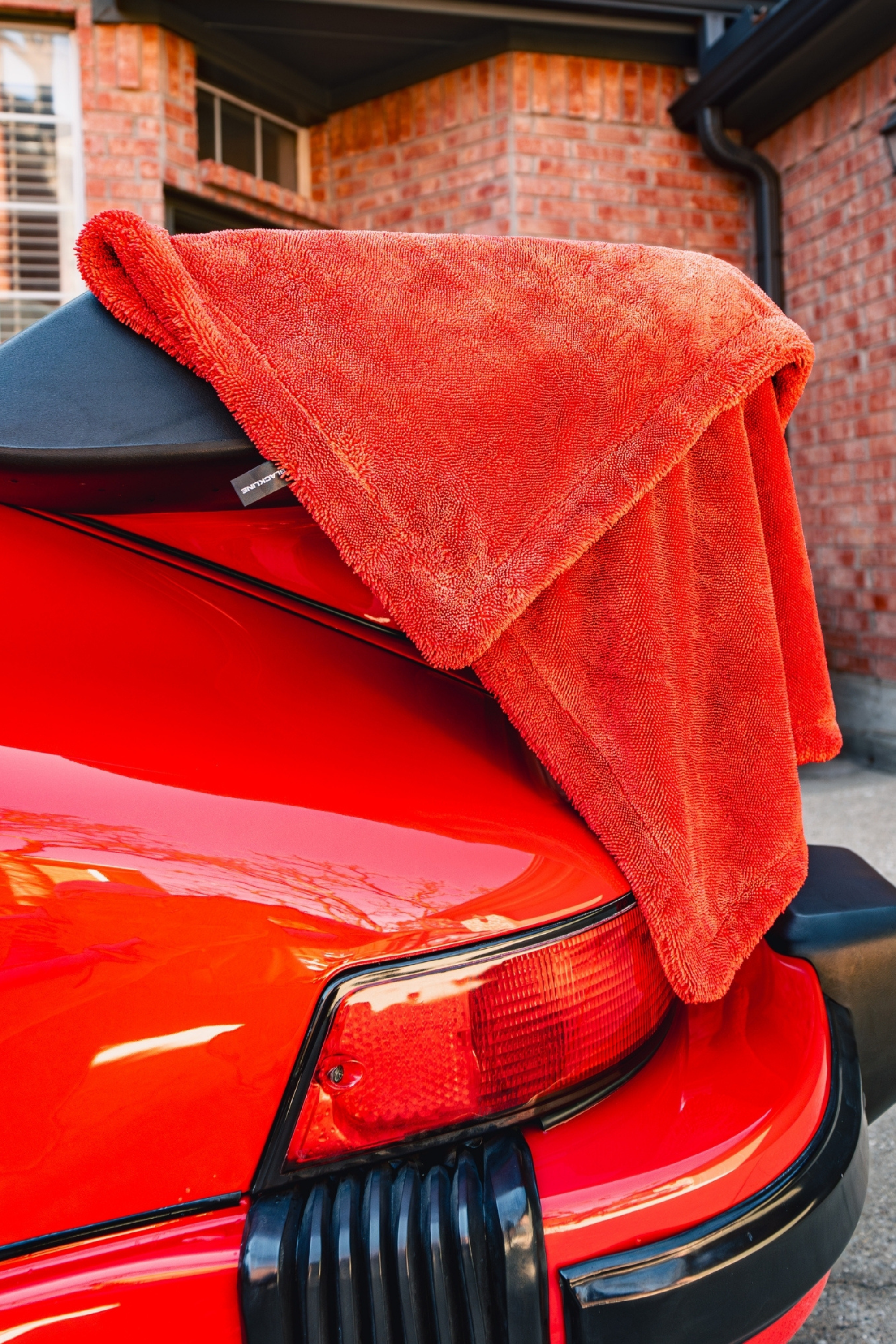
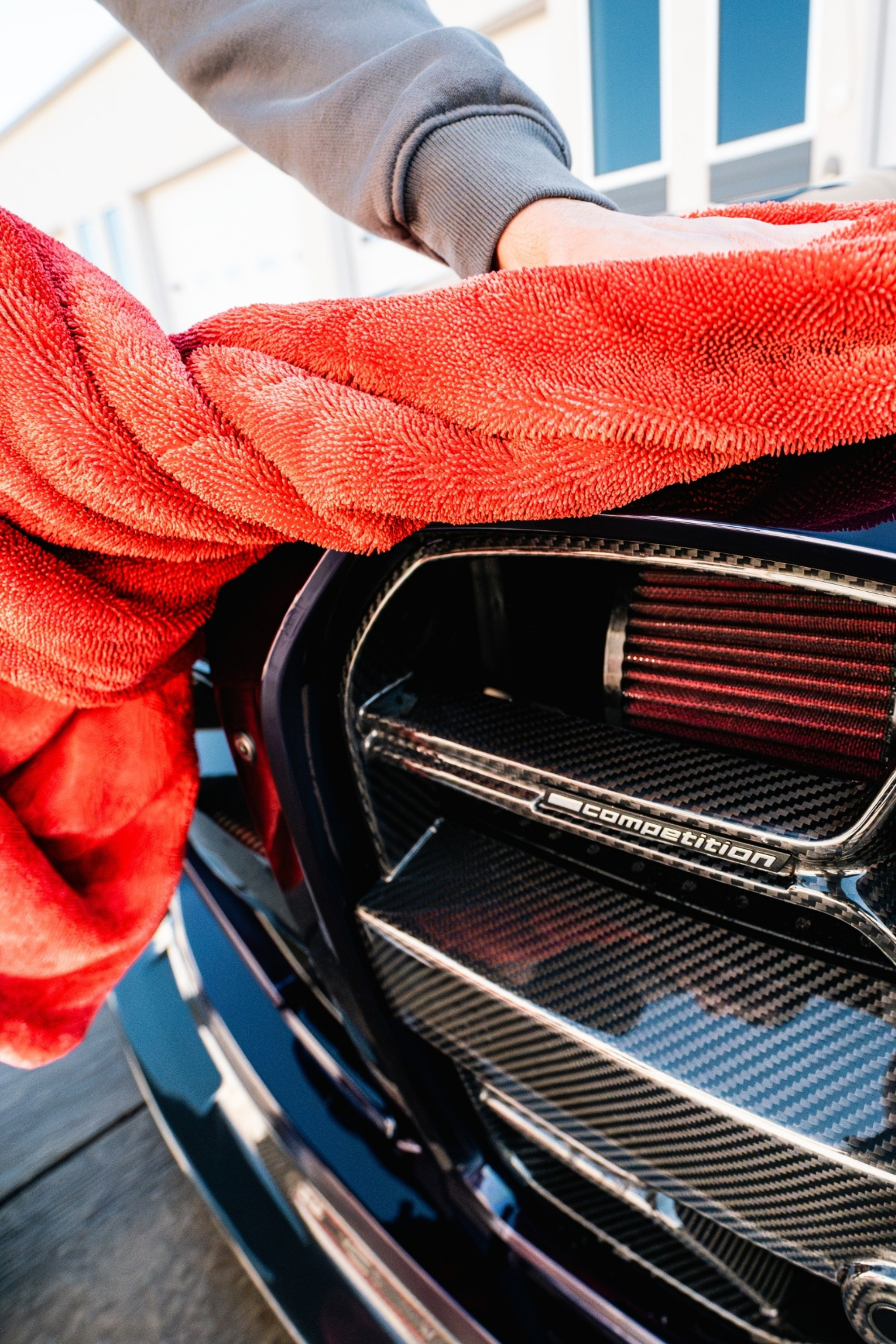
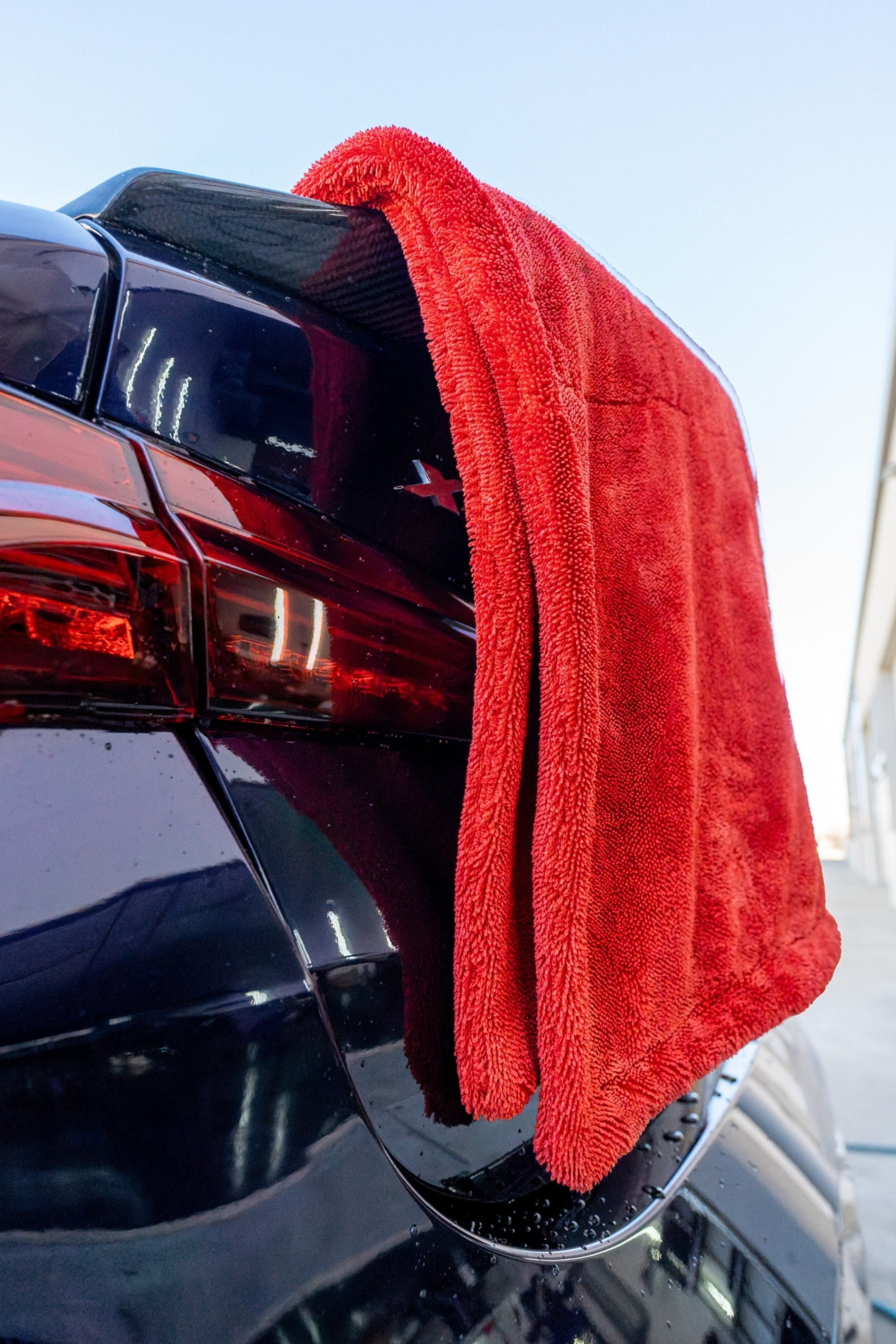
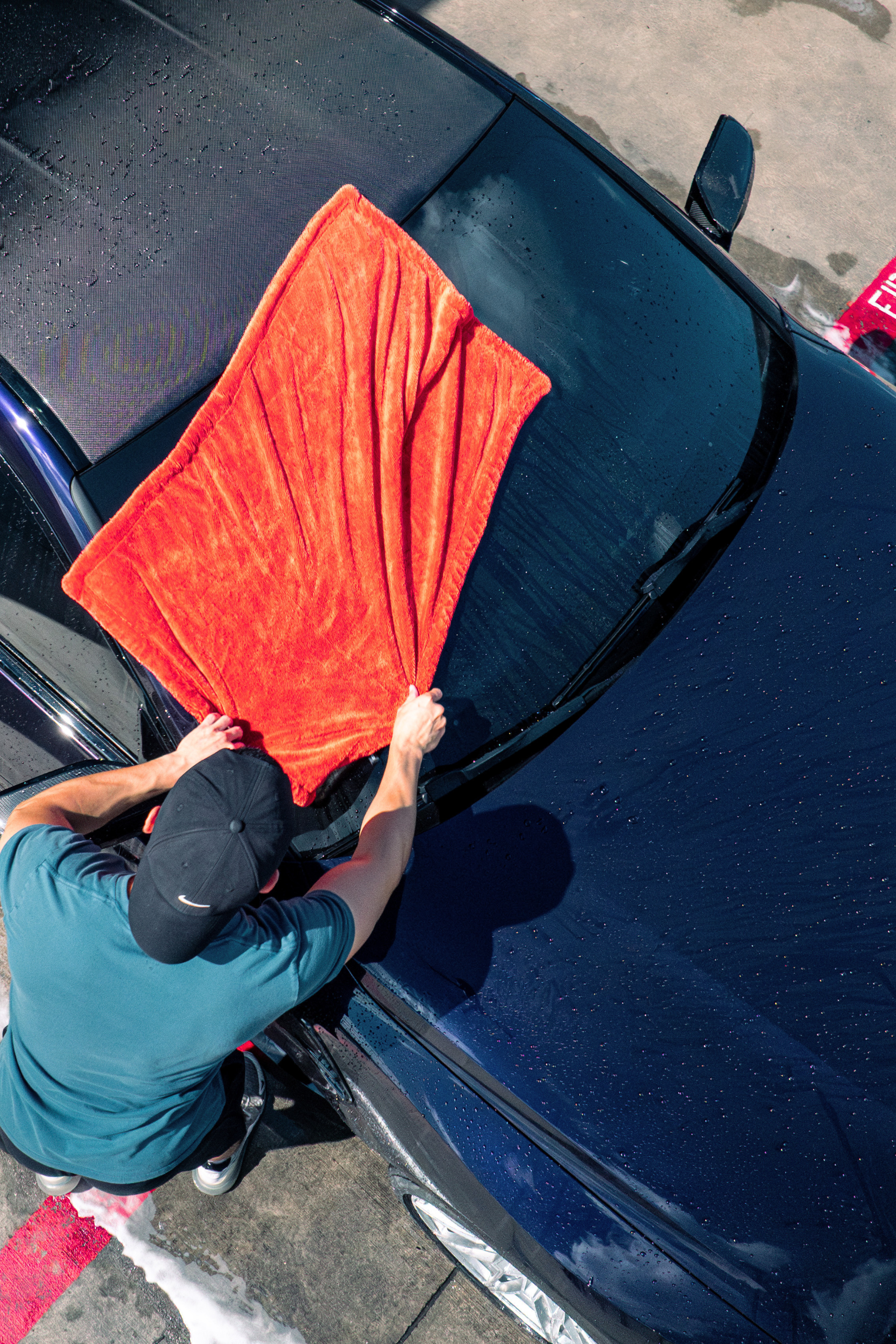
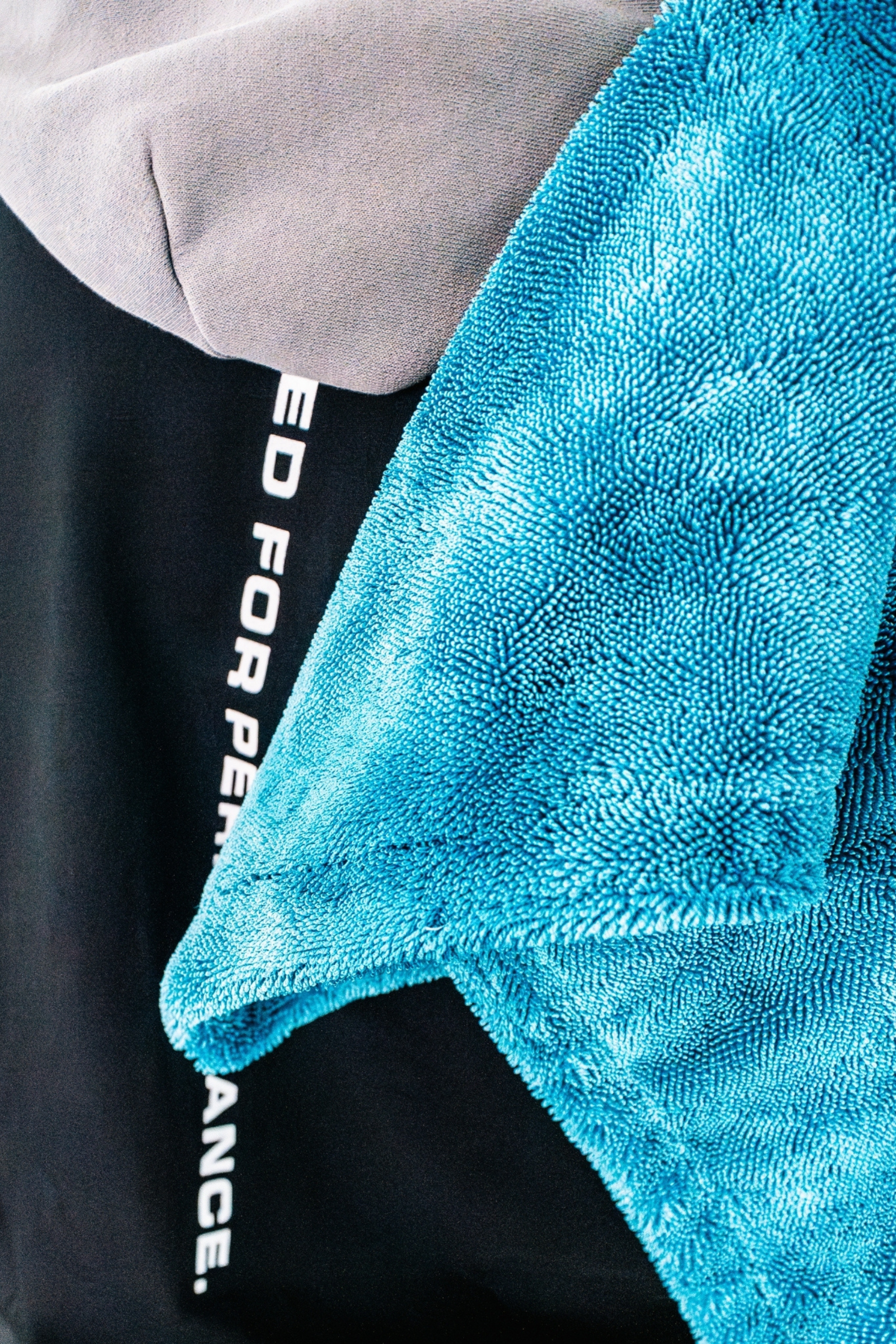
- Dry without dragging. A plush Twisted-Loop Drying Towel pulls water cleanly instead of grinding leftover grit across the paint.
- Keep the surface protected. A sealed, maintained finish gives contaminants less to grip, so next time they rinse off instead of bonding. The Signature Bundle is built around that final·touch step.
- Inspect when you are done. If a dull ring or a faint depression remains after the spot is clean, that is etching. At that point it is a correction job, not a cleaning one, and the sooner it is assessed the more correctable it usually is.
Neglect does not vanish. It etches in, and the paint keeps the receipt.
Built To Protect The Asset.
Clean paint is not vanity. It is the cheapest insurance your car will ever carry. The Blackline lineup is built so the safe move is also the easy one: soak, lift, decontaminate, protect, and keep the finish reading like the day it was new.
Common Questions.
How long do I have before bird droppings damage my paint?
Less than you think. In mild weather, visible etching can begin within 24 to 48 hours. On a hot panel in direct sun the timeline collapses to a few hours, because the dried deposit heats the spot beneath it and speeds the acid reaction. Treat any fresh dropping as a same·day job.
Will rain or a regular car wash remove bird droppings?
Not reliably. The uric acid in droppings is nearly insoluble in water, so rain and a fast rinse move the visible material but leave the acid behind to keep etching. You need to soak the spot, soften it, and lift it gently rather than count on water alone.
Is it safe to wipe bugs or sap off with a dry towel?
No. Dried bug shells and hardened sap are abrasive. Wiping them dry, or running your windshield wipers through dry splatter, drags that grit across soft clear coat and creates scratches on top of the chemical damage. Always flood and soften the surface before any contact.
What is the safest way to remove hardened tree sap?
Soften it first, then lift it, then decontaminate. Soak the area, let a sap·safe solvent or isopropyl alcohol dwell for a couple of minutes to break the bond, and wipe gently with clean microfiber. For residue that stays bonded, a clay towel shears it off without abrasives. Never reach for nail polish remover or harsh household chemicals, which can melt or dull the clear coat.
Does this kind of damage really affect resale value?
Yes. Condition is one of the two factors Kelley Blue Book weighs most, and paint is the first thing buyers and appraisers judge. A clean, defect·free exterior can add roughly 9% to 15% to a used car's price, while etched and hazy panels read as neglect and drag the whole valuation down.
Can etching be fixed once it happens?
Sometimes. Light etching that sits within the clear coat can often be polished out with paint correction. Damage that has gone through the clear coat into the color coat is past correction and needs touch·up or a panel respray. The earlier it is caught, the more likely it is still correctable.
Sources
- Jacksons Car Wash, "What Bird Droppings Actually Do to Your Car's Paint" (uric acid pH 3.5–4.5, dual chemical and thermal etching, near·insoluble in water, hours·in·heat timeline). jacksonswash.com
- Unlimited Auto Wash, "How to Remove Bird Droppings From Your Car" (uric acid pH 3.5–4.5, immediate reaction). unlimitedautowashclub.com
- CarCapsule, "Don't Let Insects Bug Your Car" (lovebug residue near pH 6.5 fresh, acidic 4.25 within 24 hours; expert input from Griot's Garage). carcapsule.com
- University of Florida IFAS, via Ormond Beach pest guidance (soak about five minutes, scrub within 15 to 20 minutes; bacterial action increases acidity). reference
- AAA (David Bennett, manager of repair systems), "How to Remove Sap" (sap and droppings etch clear coat; a damaged clear coat requires reclearing the whole panel). aaa.com
- Cars.com, "How to Remove Tree Sap From Your Car" (former Nissan paint engineer on sap etching the clear coat if left untreated). cars.com
- Fresh Layer Mobile Detailing, "How to Remove Tree Sap" (70 to 90% isopropyl alcohol, 2 to 3 minute dwell; etching as a clear·coat depression). fresh-layer.com
- Ride and Shine Detail / Experience Detailing, 2025 paint correction pricing (single·stage $300–$600; multi·stage roughly $800–$2,000). rideshinedetail.com
- Auto Clinique, 2025 paint and body repair cost guide (partial panel respray $400–$1,200). theautoclinique.com
- Chemical Guys, "Paint Correction Cost," citing Kelley Blue Book (full paint jobs $1,000 to $6,000 and beyond). chemicalguys.com
- Pro Detailing, "Car Detailing Before Selling" (professional detailing can raise resale value 9% to 15%, about $1,400 to $1,800 on a mid·range used car). pro-detailing.co
- Auto Cosmetics, citing Kelley Blue Book (mileage and condition are the two primary factors in used·car value). autocosmetics.org




Dejar un comentario
Este sitio está protegido por hCaptcha y se aplican la Política de privacidad de hCaptcha y los Términos del servicio.